
Bell’s Palsy and Chiropractic Care
By Dr. Rusty Lavender, D.C. — upper cervical chiropractor, Lavender Family Chiropractic, Sarasota, FL. Reviewed and updated October 2026.
Our complete guide to upper cervical chiropractic care in Sarasota explains what the top two vertebrae control, how we measure them with 3D imaging, and what a correction feels like.
Living with Bell’s palsy can be a frustrating and disheartening daily experience. Many people turn to invasive treatments, such as medications and surgeries, before trying non-invasive options for relief from the sometimes debilitating symptoms associated with this condition. Chiropractic care is one of these viable alternatives that has proven to have great success in reducing pain and other issues related to Bell’s Palsy – so why not explore it? In this blog post, we will provide an overview of what chiropractic care is, how it works, and how it can help you or a loved one if they are living with Bell’s Palsy.
Table of Contents
Bell’s Palsy: Understanding Its Symptoms
Bell’s Palsy is a condition that affects a person’s facial muscles and can cause temporary paralysis. This happens when the nerve that controls the facial muscles is inflamed or compressed. The symptoms of Bell’s Palsy can include drooping of the mouth, difficulty closing one eye, drooping of the eyebrow, and overall weakness on one side of the face. It is important to understand the signs of Bell’s Palsy so that a person can seek treatment as soon as possible.
While the condition can be alarming, it is usually temporary and most people recover fully within a few months. In the meantime, those experiencing symptoms can work with their healthcare provider to manage discomfort and maintain their quality of life.
How Chiropractic Care Can Help Treat Symptoms
Bell’s Palsy is a condition that affects the facial muscles, causing weakness or paralysis on one side of the face. While it most commonly occurs in people between the ages of 15 and 60, people of all ages can develop Bell’s Palsy. Chiropractic care can be an effective treatment for patients dealing with this condition.
By using specific chiropractic adjustments to adjust the spine, chiropractors can improve nerve function and reduce inflammation, which can help relieve symptoms associated with Bell’s Palsy. Additionally, chiropractic care can help improve overall muscle and joint mobility, which can further aid in recovery. If you or someone you know is dealing with Bell’s Palsy, consider seeking the benefits of chiropractic care to help manage this condition.
The Benefits of Chiropractic Care
Bell’s Palsy is a debilitating condition that affects the facial muscles, causing drooping, twitching, or paralysis on one side of the face. While the cause of Bell’s Palsy is unknown, chiropractic care can play a significant role in treating it. Studies show that chiropractic adjustments, specifically to the neck and upper spine, can reduce inflammation and increase blood flow to the affected area, leading to faster recovery times. Chiropractors can also use soft tissue therapies and exercises to improve nerve function and promote healing.
What to Expect During a Chiropractic Adjustment for Bell’s Palsy Sarasota Florida
When it comes to Bell’s Palsy, treatments that can alleviate symptoms are highly sought after. Chiropractic adjustments have become a popular choice for many patients seeking to find relief. During a chiropractic adjustment for Bell’s Palsy, the chiropractor will apply sudden, controlled pressure to the affected area of the spine. This pressure should loosen up tense muscles and work to stimulate the nerves around the area.
It is important to remember that chiropractic care addresses the upper-neck component and supports the body’s natural healing while Bell’s palsy runs its course. With consistent adjustments, patients can experience a reduction in pain and an improvement in their facial expressions, which can positively impact their overall self-esteem. If you’ve been diagnosed with Bell’s Palsy, schedule a consultation with a chiropractor to see if adjustments can help you feel better.
Tips for Maintaining Results After Treatment
After completing treatment, it’s important to maintain the results to maximize your investment. One of the key tips for maintaining results is to establish a routine. Whether it’s incorporating healthy eating habits or incorporating exercise into your schedule, creating a routine can help solidify healthy behaviors. Additionally, staying organized and tracking your progress can help you see the results and identify areas where you may need to make adjustments. Finally, don’t forget to celebrate your progress and stay positive. Maintaining the results of your treatment can be a challenge, but with some discipline and a positive attitude, it’s definitely achievable.
When it comes to treating Bell’s Palsy in Sarasota Florida, chiropractic care can offer a non-invasive, medication-free solution and provide long-lasting results. Not only can chiropractic care relieve the symptoms of Bell’s Palsy, but it can also help reduce inflammation, improve mobility in the face, and promote overall health. During a chiropractic adjustment for Bell’s Palsy, your chiropractor will perform neck adjustments and facial massage that can help reduce tension in the facial muscles over time.
Additionally, it is important to maintain any results and manage symptoms on an ongoing basis with lifestyle modifications like eating healthy meals with anti-inflammatory ingredients or limiting alcohol consumption. If you’re considering seeking treatment call us today and we can tell you what to expect from adjustment sessions as well as ask questions to ensure you get the best care possible. See you soon.
What the Research Says About Bell’s Palsy and the Neck
Bell’s palsy is a sudden weakness of the facial nerve on one side, and the standard of care is well defined. The AAO-HNS clinical practice guideline recommends oral steroids within 72 hours of onset, notes that most patients recover substantially, and stresses that protecting the eye on the affected side is essential while the eyelid cannot close (Baugh et al., Otolaryngol Head Neck Surg 2013). We want to be direct: research on upper cervical chiropractic for Bell’s palsy is limited to case reports, and no trial has shown that adjustments speed or improve facial nerve recovery. If you have new facial weakness, a same-day medical evaluation comes first, both to start steroids on time and to rule out other causes.
Where upper cervical care has a defined place is in the neck symptoms that often accompany or follow a bout of Bell’s palsy, such as suboccipital tension, headache and stiffness from guarding one side of the face. For neck pain, a Cochrane review of 51 trials found cervical manipulation and mobilization produce meaningful short-term improvements in pain and function (Gross et al., Cochrane 2015). One proposed mechanism is that spinal manipulation changes sensorimotor integration, the way the central nervous system processes input arriving from the spine (Haavik & Murphy, J Electromyogr Kinesiol 2012). The largest prospective study of upper cervical chiropractic reported high patient satisfaction with no serious adverse event (Eriksen et al., BMC Musculoskelet Disord 2011). Our part is measured: 3D imaging of the atlas, a matched correction, then re-imaging.
Frequently Asked Questions
What is the connection between the upper neck and Bell’s palsy?
Bell’s palsy involves the facial nerve, whose control center, the facial nucleus, sits in the brainstem. The atlas surrounds the brainstem at the junction of skull and spine, and the upper neck sends constant positional input into that region. When the atlas is misaligned, that input is distorted. Upper cervical care corrects the alignment so the brainstem receives cleaner signals, and we measure the response with thermography before and after each correction.
Should I still see my physician for Bell’s palsy?
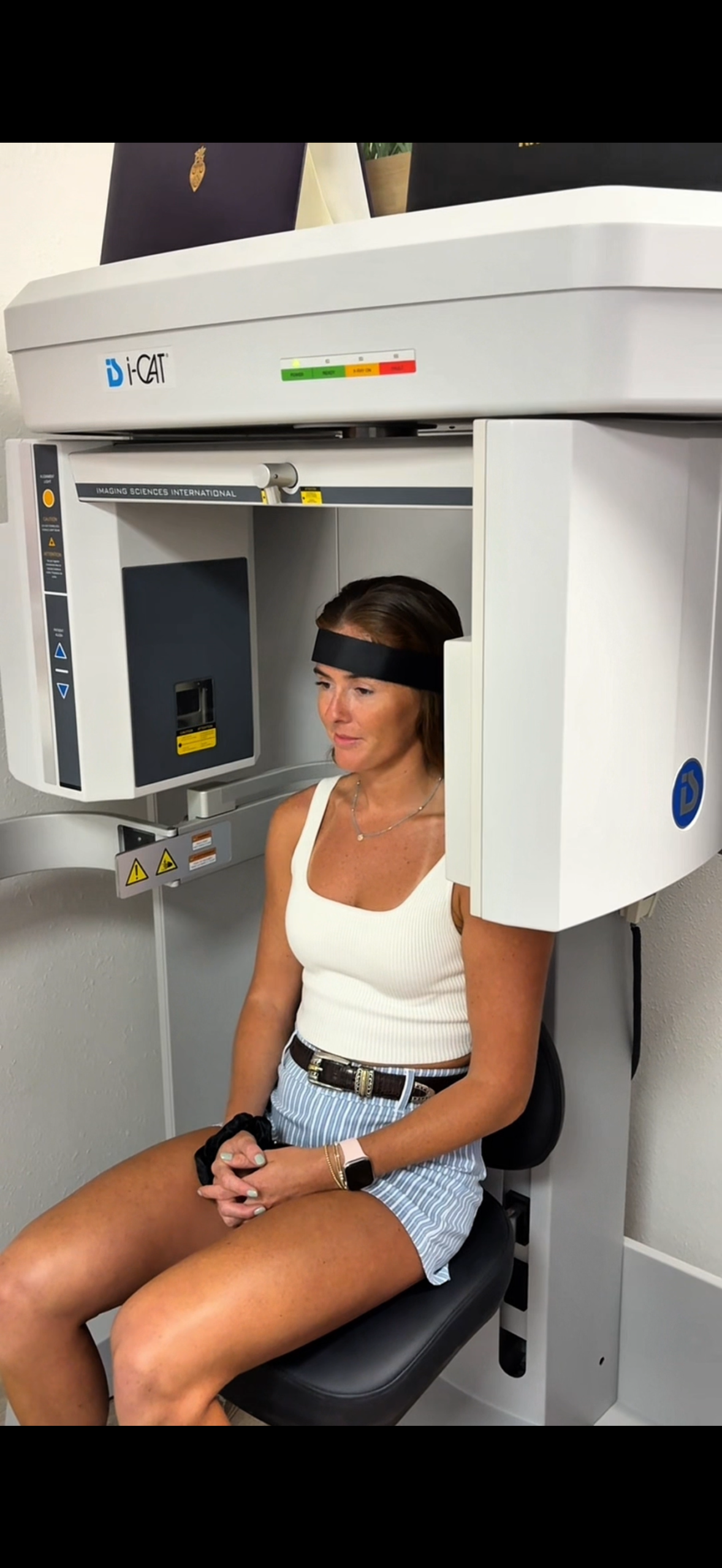
Yes. Your physician manages steroids, antivirals, and eye protection, and should rule out other causes of facial weakness such as stroke. We work alongside that care rather than replacing it. Our role is the structural one: identifying whether the atlas or axis is out of position on 3D CBCT imaging and correcting it with a precise, low-force Knee Chest correction. We share imaging with your doctors on request.
What happens during a Bell’s palsy adjustment?
We do not twist or crack the neck. After reviewing your 3D imaging, we calculate the exact angle for a Knee Chest correction of the atlas and deliver it with light, controlled pressure while you rest on the table. You then rest for a short period. A thermography scan afterward shows whether the nervous system shifted toward better regulation, so each visit is measured rather than assumed.
How long does recovery from Bell’s palsy take with upper cervical care?
Results vary by person and by how long the facial weakness has been present. Many patients notice gradual improvement in facial movement over weeks, but we never set a firm timeline. Thermography at each visit tells us whether the correction is holding and the nervous system is settling. When scans stay stable, visits are spaced out. The goal is a correction that holds, not repeated adjusting.
Can Bell’s palsy patients in Sarasota maintain their results?
Maintaining results depends on the atlas staying in position. We check that with thermography at every visit, and once your scans are consistent we extend the time between appointments. Sleep position, screen posture, and old injuries can all unsettle the upper neck, so we coach you on those. Our Sarasota office at University Parkway and Whitfield serves Lakewood Ranch, Bradenton, and Venice. Call (941) 243-3729 to schedule an evaluation.
Schedule With Us!
Lavender Family Chiropractic offers consultations to learn more about you. Click the link below!
https://intake.chirohd.com/new-patient-scheduling/724/lavender-family-chiropractic
Visit our Website!
To learn more about us go to http://www.chiropractorsarasotaflorida.com
We also service Bradenton, Venice, Osprey, Myakka Village, Lakewood Ranch, Palmetto, Parrish, Ruskin, Ellenton, and more!
Related Posts



Get our upper cervical articles first.
Patients Experience
Popular Posts