Understanding Barometric Pressure in Sarasota, Florida
Barometric Pressure: Living in Sarasota, Florida offers sunshine, coastal beauty, and an active outdoor lifestyle. However, what many people don’t realize is that the same coastal environment that makes Sarasota so attractive also creates frequent and sometimes dramatic changes in barometric pressure. These atmospheric shifts can have a significant impact on the human body—especially for individuals dealing with vertigo, MDDS (Mal de Debarquement Syndrome), migraines, headaches, dizziness, chronic pain, and fibromyalgia.
Barometric pressure refers to the weight of the air pressing down on the earth—and on your body. When weather systems move in, such as thunderstorms, cold fronts, or even shifts in humidity, the atmospheric pressure rises or falls. These changes can happen quickly in coastal regions like Sarasota, Bradenton, and Lakewood Ranch, making the body work harder to adapt.
For some individuals, these changes go completely unnoticed. But for others, especially those with underlying nervous system dysfunction, barometric pressure shifts can trigger debilitating symptoms that interfere with work, family life, and overall well-being.
Why Sarasota Residents Are More Affected
Sarasota’s proximity to the Gulf of Mexico creates a unique climate pattern. Warm air, high humidity, and frequent storm systems lead to rapid fluctuations in atmospheric pressure. Unlike more stable inland climates, Sarasota experiences:
- Sudden pressure drops before storms
- Frequent micro-weather changes
- High humidity influencing air density
- Seasonal storm patterns and tropical systems
These constant shifts require the body to continuously adapt. When the body cannot keep up, symptoms begin to appear or worsen.
How the Body Is Supposed to Adapt to Pressure Changes
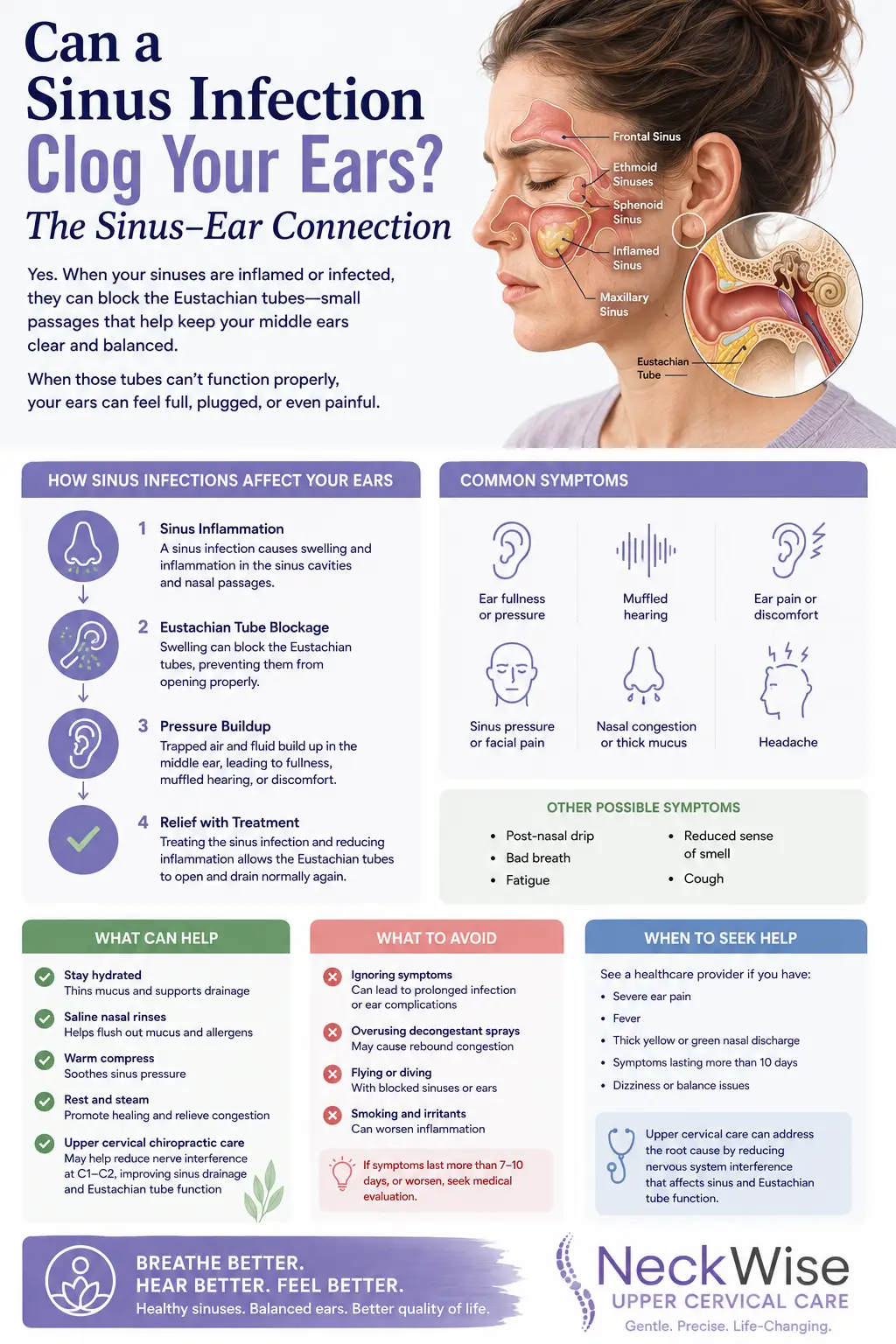
The human body is designed to maintain stability in a constantly changing environment. This process is called homeostasis. Your nervous system—specifically your brain and brainstem—plays the central role in coordinating this adaptation.
When barometric pressure changes, several systems in the body must respond immediately:
- The inner ear adjusts to maintain balance and spatial awareness
- Blood vessels constrict or dilate to regulate blood flow
- Cerebrospinal fluid pressure shifts to protect the brain and spinal cord
- The autonomic nervous system regulates heart rate, breathing, and circulation
When all of these systems are working together efficiently, you won’t notice any symptoms. Your body adapts seamlessly.
However, if there is interference in the nervous system—particularly in the upper cervical spine—this adaptation process can break down.
The Real Issue: Failure to Adapt
The problem is not the weather.
The problem is the body’s inability to adapt to the weather.
When the communication between the brain and body is disrupted, even normal environmental changes can trigger abnormal responses. This is why some people feel perfectly fine during a storm, while others experience intense vertigo, migraines, or pain.
This is also why many patients say things like:
- “I can feel a storm coming before it happens.”
- “My migraines always flare up when the weather changes.”
- “I feel like I’m on a boat when pressure drops.”
These are not coincidences—they are signs that the body is struggling to adapt.
Barometric Pressure and Vertigo
Vertigo is one of the most common symptoms linked to barometric pressure changes. It is often described as a spinning sensation, imbalance, or the feeling that the environment is moving.
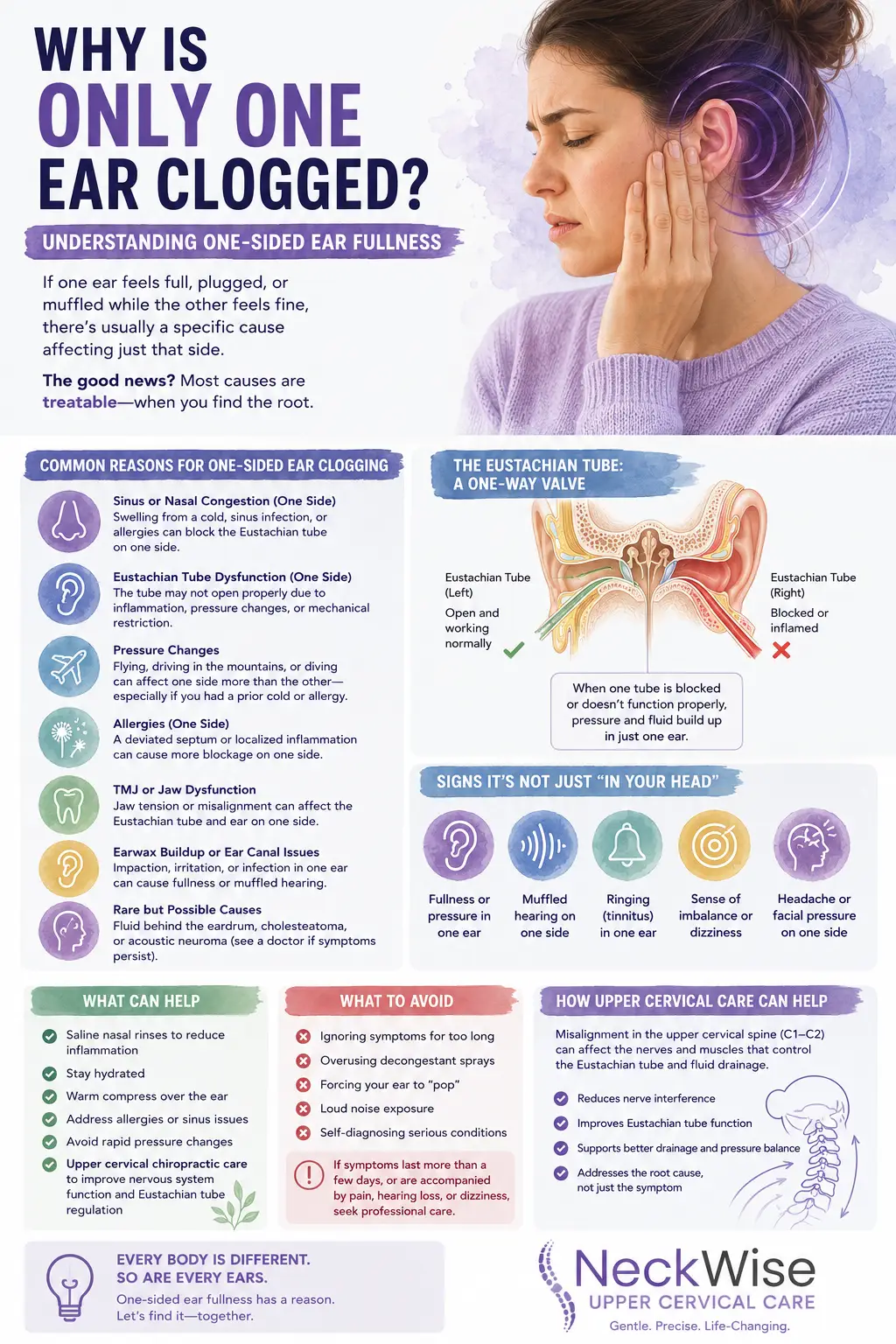
The vestibular system, located in the inner ear, is responsible for maintaining balance and spatial awareness. This system relies on precise pressure regulation and fluid dynamics to function properly.
When barometric pressure drops, especially before storms, it can disrupt the delicate balance of fluids in the inner ear. This creates confusion in the brain about body position and movement, resulting in vertigo.
In Sarasota, where pressure changes are frequent, many individuals experience recurring vertigo episodes that seem unpredictable—but are actually tied to weather patterns.
MDDS (Mal de Debarquement Syndrome) and Weather Sensitivity
MDDS is a condition characterized by a persistent rocking or swaying sensation, often described as feeling like you are on a boat even when standing still.
Patients with MDDS are particularly sensitive to changes in their environment, including barometric pressure shifts. These changes can disrupt the brain’s ability to process motion and balance signals.
When pressure fluctuates, the already overstimulated or dysregulated nervous system in MDDS patients can become overwhelmed, intensifying symptoms such as:
- Constant swaying
- Difficulty focusing
- Fatigue
- Increased anxiety or disorientation
In a coastal city like Sarasota, where pressure changes are frequent, MDDS symptoms can become chronic and persistent without addressing the underlying cause.
Migraines and Headaches: The Pressure Connection
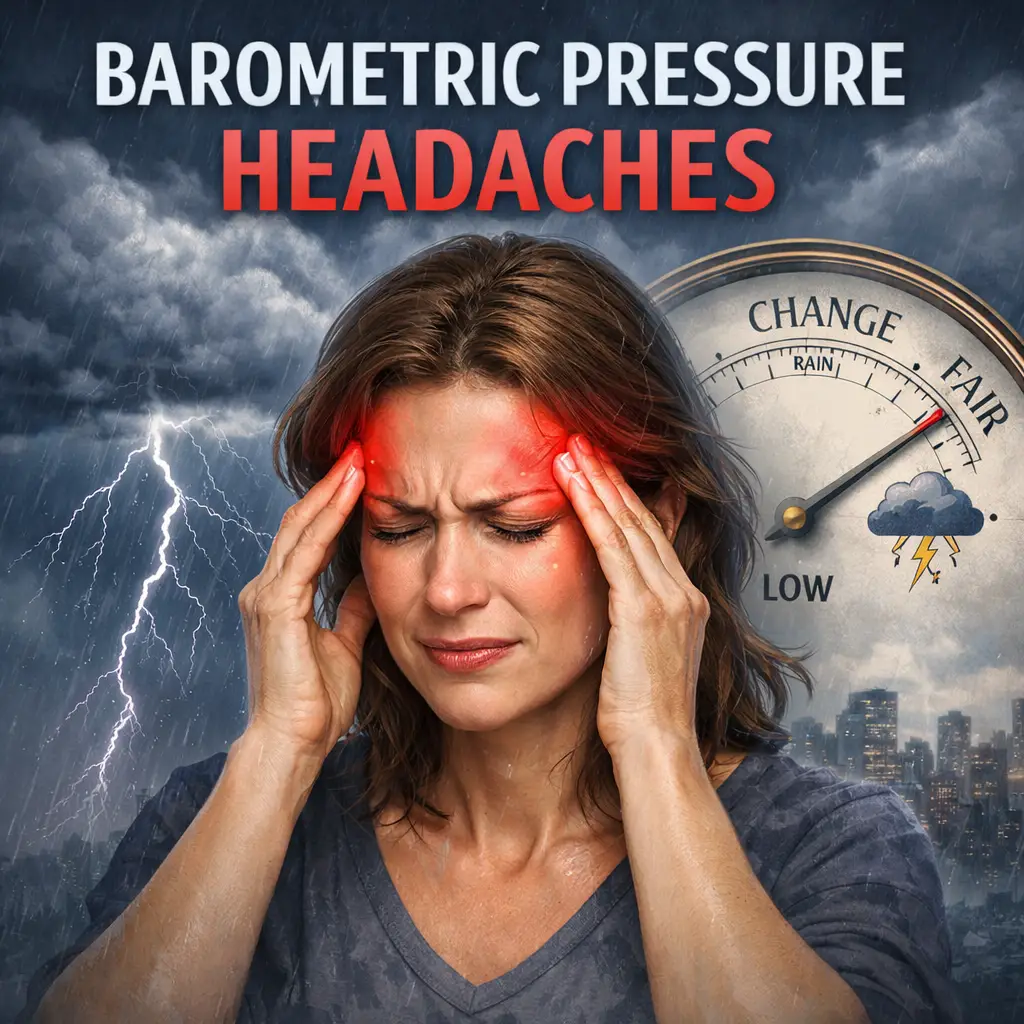
Migraines are highly sensitive to environmental triggers, and barometric pressure is one of the most common.
When atmospheric pressure drops, it can lead to:
- Changes in blood vessel dilation in the brain
- Altered oxygen levels
- Increased inflammation
- Heightened neurological sensitivity
These changes can trigger a cascade of migraine symptoms, including:
- Throbbing or pulsating head pain
- Light and sound sensitivity
- Nausea and vomiting
- Visual disturbances (auras)
Even individuals who do not suffer from migraines may experience tension headaches during pressure changes.
In Sarasota, many patients report that their headaches worsen before storms or during seasonal weather transitions.
Dizziness and Brain Fog
Dizziness is another common symptom associated with barometric pressure changes. It can present as lightheadedness, imbalance, or a feeling of being disconnected from your surroundings.
This occurs when the brain struggles to interpret signals from the inner ear and body during pressure shifts.
Brain fog often accompanies dizziness, leading to:
- Difficulty concentrating
- Memory issues
- Mental fatigue
- Reduced productivity
For many patients, this combination of symptoms can be just as disruptive as vertigo or migraines.
Chronic Pain and Fibromyalgia Flare-Ups
Barometric pressure changes are also strongly linked to chronic pain conditions, including fibromyalgia.
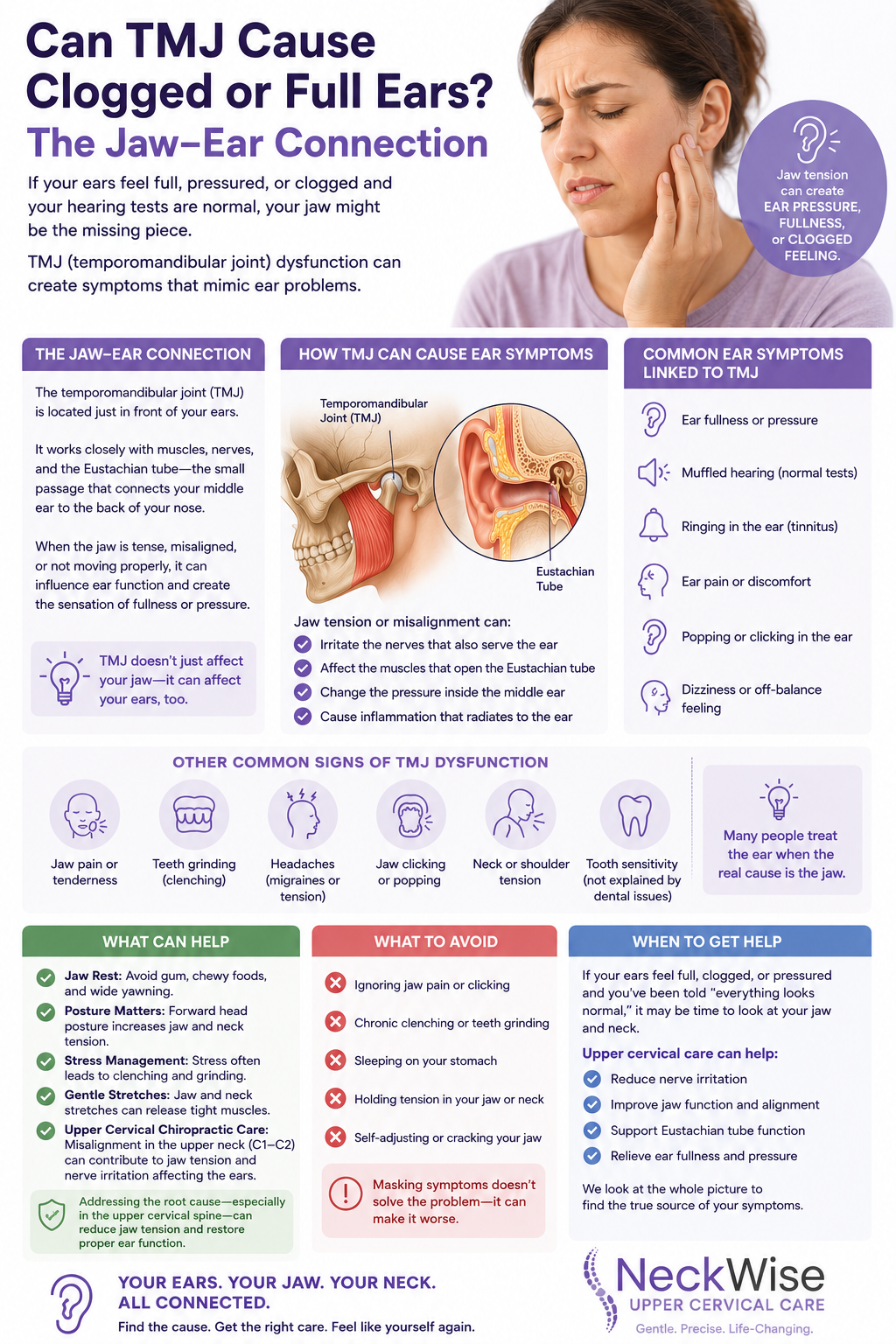
When pressure drops, tissues in the body may expand slightly, increasing pressure on joints, muscles, and nerves. Additionally, changes in circulation and nervous system signaling can amplify pain perception.
Patients often report:
- Increased joint stiffness
- Muscle aches
- Heightened sensitivity to touch
- Fatigue and low energy
In Sarasota’s climate, where pressure changes are frequent, these flare-ups can become a regular part of life for individuals with chronic pain conditions.
The Upper Cervical Spine: The Missing Piece
The upper cervical spine—specifically the atlas (C1) and axis (C2)—is one of the most important yet overlooked areas of the body.
This region protects the brainstem, which acts as the control center for the nervous system. The brainstem regulates:
- Balance and coordination
- Blood pressure and circulation
- Breathing patterns
- Vestibular function
- Autonomic nervous system responses
Even a small misalignment in this area can create significant interference in how the brain communicates with the body.
How Upper Cervical Misalignment Disrupts Adaptation
When the atlas or axis is misaligned, it can:
- Distort neurological communication between the brain and body
- Interfere with inner ear and vestibular function
- Alter blood flow to and from the brain
- Disrupt cerebrospinal fluid movement
This interference makes it much harder for the body to adapt to external stressors like barometric pressure changes.
Instead of adapting smoothly, the body overreacts—resulting in symptoms such as vertigo, migraines, dizziness, and chronic pain.
Upper Cervical Chiropractic: A Precise, Neurologically-Based Approach
Upper cervical chiropractic care focuses specifically on correcting misalignments in the top of the neck.
This approach is different from traditional chiropractic in several key ways:
- It is extremely precise and customized to the individual
- It uses advanced imaging such as 3D CBCT scans
- It involves gentle adjustments with no cracking or twisting
- It focuses on restoring nervous system function, not just symptom relief
At Lavender Family Chiropractic NeckWise North Sarasota, each patient undergoes a detailed analysis to determine the exact nature of their misalignment.
Advanced Technology for Precision Care
One of the key differences in upper cervical care is the use of advanced diagnostic tools.
At our office, we utilize:
- 3D CBCT imaging to visualize the spine in precise detail
- Functional nervous system scans to assess neurological activity
- Postural and balance assessments
This allows for a level of specificity that ensures each adjustment is tailored to the individual patient.
How Upper Cervical Care Helps the Body Adapt
The goal of upper cervical care is not simply to eliminate symptoms—it is to restore the body’s ability to adapt.
When the upper cervical spine is properly aligned:
- The brain and body communicate clearly
- The vestibular system stabilizes
- Blood flow and oxygen delivery improve
- The nervous system can regulate changes more effectively
As a result, the body becomes more resilient to external stressors like barometric pressure changes.
Instead of triggering symptoms, the body adapts—just as it was designed to do.
Why This Matters in Sarasota
In a place like Sarasota, where weather changes are frequent, the ability to adapt is critical.
Without proper nervous system function, individuals may feel like they are constantly reacting to the environment.
With proper alignment and communication, the body can handle these changes with ease.
This is why so many patients who once felt controlled by the weather begin to experience consistent relief after receiving upper cervical care.
Patient Outcomes and Real-World Results
Patients receiving care at Lavender Family Chiropractic NeckWise North Sarasota often report significant improvements in their symptoms, including:
- Reduced frequency and intensity of vertigo episodes
- Improvement in MDDS swaying sensations
- Decreased migraine severity and frequency
- Better balance and coordination
- Reduced dizziness and brain fog
- Relief from chronic pain and fibromyalgia flare-ups
Many patients also report improved energy, sleep, and overall quality of life.
What to Expect When Starting Care
The process begins with a comprehensive consultation and examination, including:
- Detailed health history
- Neurological and orthopedic assessments
- 3D CBCT imaging
- Functional nervous system scans
Based on this information, a personalized care plan is created.
Adjustments are gentle and precise, often requiring minimal force. Over time, as the body stabilizes, patients typically require fewer adjustments while maintaining their results.
Serving Sarasota and Surrounding Communities
Lavender Family Chiropractic NeckWise North Sarasota proudly serves patients from:
- Sarasota
- Bradenton
- Lakewood Ranch
- Parrish
- Ellenton
- Venice
- Osprey
- Siesta Key
- Longboat Key
- Lido Key
- Myakka City
If you are searching for a chiropractor Sarasota Florida, chiropractor near me, or upper cervical chiropractor near me, our office is dedicated to helping you find answers and lasting relief.
Why Ignoring the Root Cause Leads to Ongoing Symptoms
Many individuals attempt to manage symptoms with medications, physical therapy, or lifestyle changes. While these approaches may provide temporary relief, they often do not address the underlying cause.
If the nervous system remains compromised, the body will continue to struggle to adapt—especially in an environment with frequent barometric pressure changes.
This is why symptoms often return or worsen over time.
A Different Way Forward
Upper cervical care offers a different approach—one that focuses on restoring function rather than masking symptoms.
By correcting the underlying misalignment and improving nervous system communication, the body can begin to heal and adapt naturally.
For many patients, this represents a turning point in their health journey.
Take Control of Your Health—Not the Weather
Barometric pressure is something we cannot control.
But how your body responds to it is something you can influence.
If you are experiencing vertigo, MDDS, migraines, dizziness, or chronic pain that worsens with weather changes, it may be time to look deeper.
Upper cervical chiropractic care may be the missing piece.
Schedule Your Consultation Today
If you are ready to stop chasing symptoms and start addressing the root cause, we invite you to schedule a consultation.
Visit www.chiropractorsarasotaflorida.com or call (941)243-3729 to learn more.
Top 15 FAQs About Barometric Pressure and Upper Cervical Care
- Why does barometric pressure affect my symptoms?
Barometric pressure changes require your body to adapt. If your nervous system is not functioning properly, symptoms can occur. - Why are my symptoms worse before a storm?
Pressure typically drops before storms, which can trigger changes in the body. - Can barometric pressure cause vertigo?
Yes, it can affect the inner ear and vestibular system. - What is MDDS?
A condition causing a persistent rocking or swaying sensation. - Why do migraines worsen with weather changes?
Pressure shifts can affect blood flow and neurological activity. - Can chiropractic care help with these symptoms?
Upper cervical care addresses the root cause by improving nervous system function. - Is upper cervical care safe?
Yes, it is gentle and highly specific. - Do adjustments hurt?
No, they are very gentle. - How long does it take to see results?
Many patients notice changes within weeks, though timelines vary. - Do you take insurance?
Our office is out of network with insurance. Many of our patients receive a superbill to submit to their insurance for reimbursement based on their coverage. We offer many different payment options as well as finance options. - How is this different from regular chiropractic?
It focuses specifically on the upper cervical spine with precise adjustments. - Can this help with fibromyalgia?
Many patients report reduced pain and improved quality of life. - Do I need imaging?
Yes, 3D CBCT scans allow for precise analysis. - How often do I need adjustments?
This varies based on your condition and progress. - Where are you located?
5899 Whitfield Ave Ste 107, Sarasota, FL 34243
If you have been searching for answers and feel like you have tried everything, there is hope. Upper cervical chiropractic care at Lavender Family Chiropractic NeckWise North Sarasota is helping patients regain control of their health and live symptom-free, regardless of the weather.
Schedule a Consultation
Lavender Family Chiropractic (NeckWise North Sarasota)
5899 Whitfield Ave Ste 107, Sarasota, FL 34243
www.chiropractorsarasotaflorida.com
(941)243-3729
To learn more about us go to http://www.chiropractorsarasotaflorida.com
We also service Bradenton, Parrish, Ellenton, Ruskin, Venice, Tampa, St. Pete, Osprey, Longboat, Lakewood Ranch, Myakka City.
If you are in Tampa, Land O Lakes, Fort Myers, or Salt Lake City, you can visit my other locations! NeckWise Upper Cervical. Visit, www.neckwise.com
If you are not local, visit www.uccnearme.com to find a doctor in your area
Serving Sarasota, Bradenton, Lakewood Ranch, Parrish, Ellenton, Venice, Osprey, Siesta Key, Longboat Key, Lido Key, Myakka City, Punta Gorda, and St. Petersburg.
If you have been searching for a chiropractor near me in Lakewood Ranch who focuses on correction instead of temporary relief, we invite you to discover the difference of upper cervical chiropractic care.
Your neck supports your head. Your spine supports your life. When alignment is restored, your body functions better.
We look forward to serving you and your family.