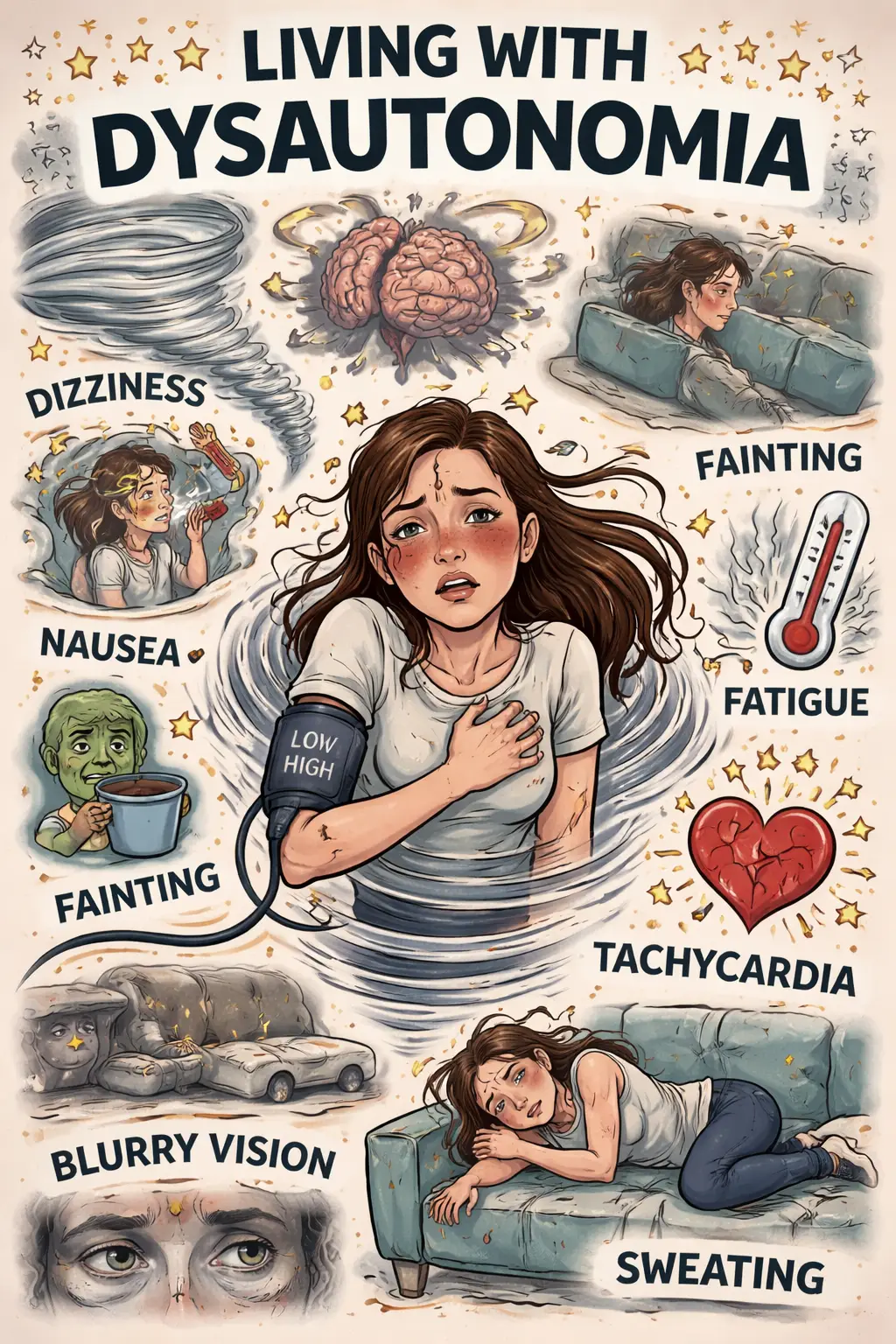
Dysautonomia is a complex and often misunderstood condition that affects millions of people, yet many struggle for years without clear answers. Patients commonly describe a wide range of symptoms—lightheadedness, heart palpitations, fatigue, brain fog, temperature intolerance, digestive problems, anxiety-like sensations, and exercise intolerance—only to be told that tests are “normal” or that the issue is stress-related. For many, the missing piece is not biochemical or psychological, but neurological and structural.
One of the most overlooked contributors to dysautonomia is misalignment in the upper cervical spine, particularly at the atlas vertebra (C1). The atlas sits at the top of the neck and surrounds the brainstem, the control center for the autonomic nervous system. When this area is misaligned due to injury, posture, or repetitive stress, it can interfere with brainstem function and disrupt autonomic regulation throughout the body.
At Lavender Family Chiropractic, also known as NeckWise North Sarasota, our doctors focus exclusively on identifying and correcting upper cervical misalignments using precise, gentle, and objective methods. This blog will explore dysautonomia in depth, explain the critical role of the brainstem and atlas, and show how NeckWise upper cervical care provides a natural, neurological approach to addressing the root cause rather than chasing symptoms.
What Is Dysautonomia?
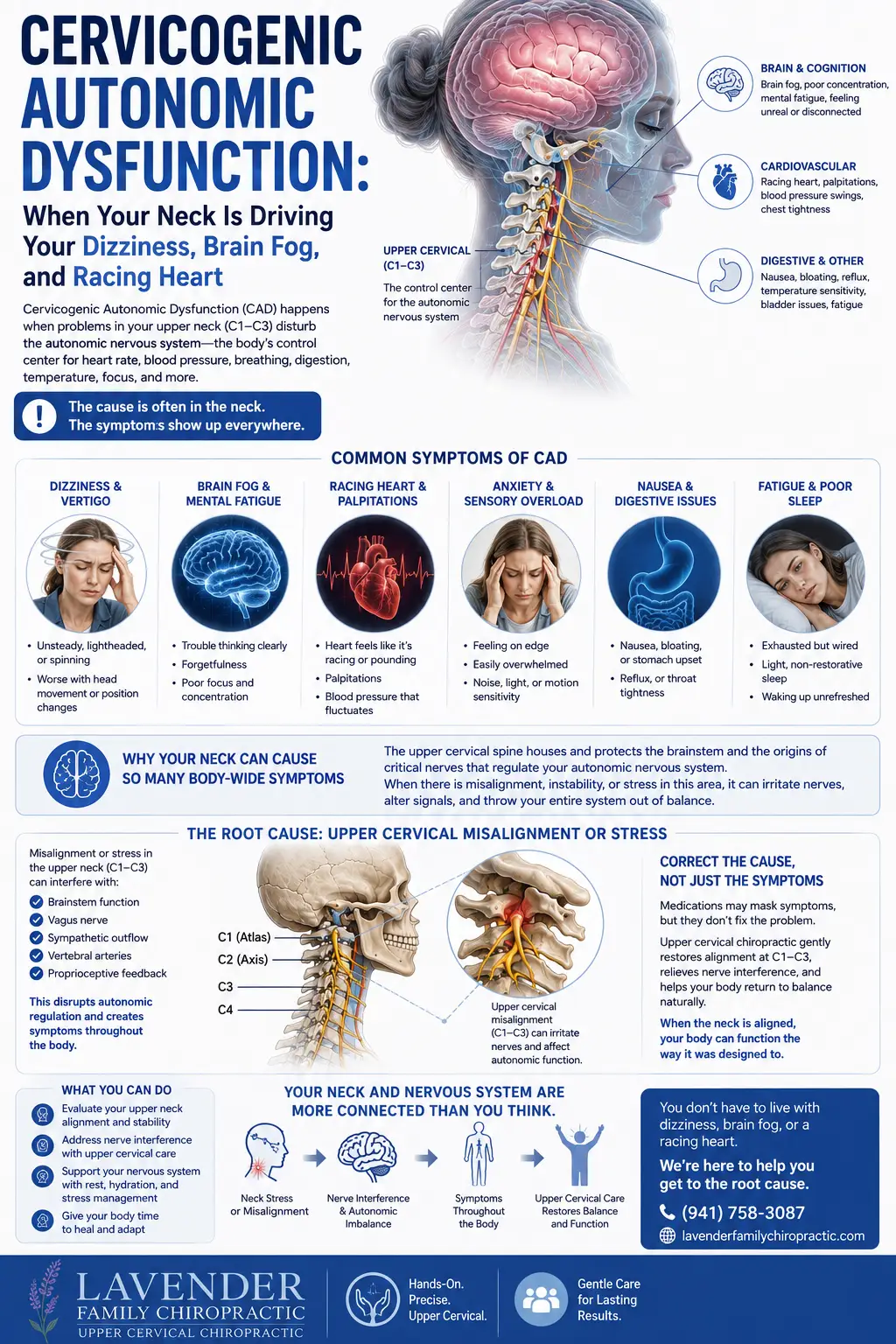
Dysautonomia is an umbrella term used to describe dysfunction of the autonomic nervous system (ANS). The autonomic nervous system controls involuntary processes that keep the body alive and balanced, including heart rate, blood pressure, digestion, temperature regulation, pupil response, breathing patterns, and hormonal signaling.
The ANS has two primary branches:
• The sympathetic nervous system, responsible for the “fight or flight” response
• The parasympathetic nervous system, responsible for “rest, digest, and heal”
In a healthy body, these two systems work in harmony, constantly adapting to internal and external stressors. In dysautonomia, this balance is lost. The nervous system may become stuck in a sympathetic-dominant state or fail to appropriately regulate transitions between states.
Common forms of dysautonomia include POTS (Postural Orthostatic Tachycardia Syndrome), neurocardiogenic syncope, orthostatic hypotension, and general autonomic instability. While these diagnoses describe patterns of symptoms, they often do not explain why the nervous system is malfunctioning.
Common Dysautonomia Symptoms
Dysautonomia symptoms can vary widely from person to person, which is one reason the condition is frequently misdiagnosed or minimized. Symptoms often include:
• Dizziness or lightheadedness, especially when standing
• Rapid heart rate or heart palpitations
• Blood pressure fluctuations
• Chronic fatigue and weakness
• Brain fog and difficulty concentrating
• Anxiety or panic-like sensations without emotional triggers
• Temperature intolerance and excessive sweating
• Cold hands and feet
• Digestive problems such as bloating, constipation, or diarrhea
• Shortness of breath or air hunger
• Headaches and migraines
• Neck pain or pressure at the base of the skull
Many patients notice that their symptoms worsen after illness, concussion, whiplash, car accidents, or periods of prolonged stress. This pattern points toward neurological injury or irritation rather than a primary disease process.
The Autonomic Nervous System and the Brainstem
To understand dysautonomia, you must understand the brainstem.
The brainstem sits at the base of the brain and connects the brain to the spinal cord. It is responsible for regulating vital autonomic functions such as heart rate, blood pressure, breathing, digestion, sleep-wake cycles, and vagus nerve activity. It acts as the main relay station between the brain and the rest of the body.
The brainstem is not protected by a thick skull like other parts of the brain. Instead, it passes through the upper cervical spine, particularly between the occiput (base of the skull) and the atlas (C1). This region is one of the most neurologically dense and mechanically vulnerable areas in the entire body.
Even subtle misalignments in this area can create abnormal tension, compression, or asymmetrical pressure on the brainstem and upper spinal cord. Over time, this interference can disrupt autonomic signaling and lead to widespread dysfunction.
The Atlas Vertebra: Small Bone, Massive Influence
The atlas is the top cervical vertebra and supports the weight of the head. Unlike other spinal bones, it has no vertebral body and is designed to allow for a wide range of motion. Because of its shape and position, the atlas is highly susceptible to misalignment from:
• Whiplash injuries
• Car accidents
• Sports collisions
• Falls
• Repetitive poor posture
• Childhood injuries
• Jaw issues or dental trauma
• Birth stress
When the atlas becomes misaligned, it does not simply cause local neck pain. It can alter the position of the head relative to the spine, change cerebrospinal fluid flow, affect vertebral artery dynamics, and most importantly, interfere with brainstem and vagus nerve signaling.
This is where dysautonomia often begins.
How Atlas Misalignment Can Contribute to Dysautonomia
Atlas misalignment can impact autonomic function through several interconnected mechanisms:
1. Brainstem Irritation or Compression
The brainstem passes directly through the upper cervical spine. Misalignment can create abnormal mechanical stress that disrupts the brainstem’s ability to regulate autonomic signals.
2. Vagus Nerve Dysfunction
The vagus nerve originates in the brainstem and controls parasympathetic activity throughout the body. Irritation at the brainstem can reduce vagal tone, leaving patients stuck in a sympathetic-dominant state.
3. Altered Blood Flow
The vertebral arteries pass through the upper cervical spine and supply blood to the brainstem. Misalignment can contribute to altered hemodynamics and reduced adaptability.
4. Abnormal Proprioceptive Input
The upper neck contains a high concentration of proprioceptive receptors that inform the brain about head and body position. Distorted input from misalignment can confuse central processing and destabilize autonomic control.
5. Chronic Neuroinflammation
Ongoing mechanical stress in the upper cervical region can contribute to low-grade neuroinflammation, further sensitizing the nervous system.
These mechanisms do not act in isolation. Over time, they create a cumulative neurological burden that manifests as dysautonomia symptoms throughout the body.
Why Traditional Approaches Often Fall Short
Conventional management of dysautonomia often focuses on symptom control. Patients may be prescribed medications to regulate heart rate, increase blood volume, manage anxiety, or improve sleep. While these approaches can offer temporary relief, they rarely address the underlying neurological interference.
Without correcting the structural cause—particularly upper cervical misalignment—the nervous system remains under stress. This is why many patients cycle through treatments without lasting improvement.
Upper cervical chiropractic care offers a different perspective: instead of forcing the nervous system to adapt chemically, it removes the interference preventing proper regulation.
What Is NeckWise Upper Cervical Care?
NeckWise care is a highly specific form of upper cervical chiropractic that focuses exclusively on the top bones of the neck, especially the atlas and axis. At Lavender Family Chiropractic / NeckWise North Sarasota, our doctors do not perform full-spine adjustments, twisting, popping, or cracking.
Instead, care is based on precision, analysis, and neurological outcomes.
Key components of NeckWise care include:
• 3D CBCT imaging to measure exact atlas misalignment
• Functional nervous system scans to assess autonomic stress patterns
• Gentle, low-force adjustments customized to each patient
• Post-adjustment stabilization to allow the body to hold correction
• Objective follow-up imaging and scans
The goal is not to adjust frequently, but to help the spine hold alignment so the nervous system can heal.
How Upper Cervical Care Supports Autonomic Healing
When atlas alignment is restored, the brainstem is given the opportunity to function without mechanical stress. Over time, many patients experience improvements such as:
• More stable heart rate and blood pressure
• Reduced dizziness and lightheadedness
• Improved energy and exercise tolerance
• Better digestion and gut motility
• Decreased anxiety and nervous system reactivity
• Improved sleep quality
• Clearer thinking and reduced brain fog
• Greater temperature regulation
These changes reflect improved autonomic balance rather than symptom suppression.
Dysautonomia, POTS, and Upper Cervical Care
POTS is one of the most commonly diagnosed forms of dysautonomia and is frequently associated with neck trauma. Many POTS patients report a history of concussion, whiplash, or unexplained neck pain.
Upper cervical misalignment can impair the body’s ability to regulate blood pressure and heart rate during postural changes. By addressing atlas alignment, the nervous system can regain its ability to adapt to gravity and movement.
This does not happen overnight, but with consistent correction and stabilization, the body often shows remarkable capacity for recovery.
Why Imaging Matters in Dysautonomia Care
At NeckWise North Sarasota, we rely on advanced imaging rather than guesswork. 3D CBCT allows us to visualize the exact position of the atlas in relation to the skull and brainstem. This level of precision is critical when dealing with neurological conditions.
Generic adjustments without imaging can miss the mark or even destabilize sensitive patients. NeckWise care is designed for complex cases where the nervous system is already overwhelmed.
Who Is a Good Candidate for Upper Cervical Care?
Patients who may benefit from upper cervical evaluation include those with:
• Dysautonomia or POTS
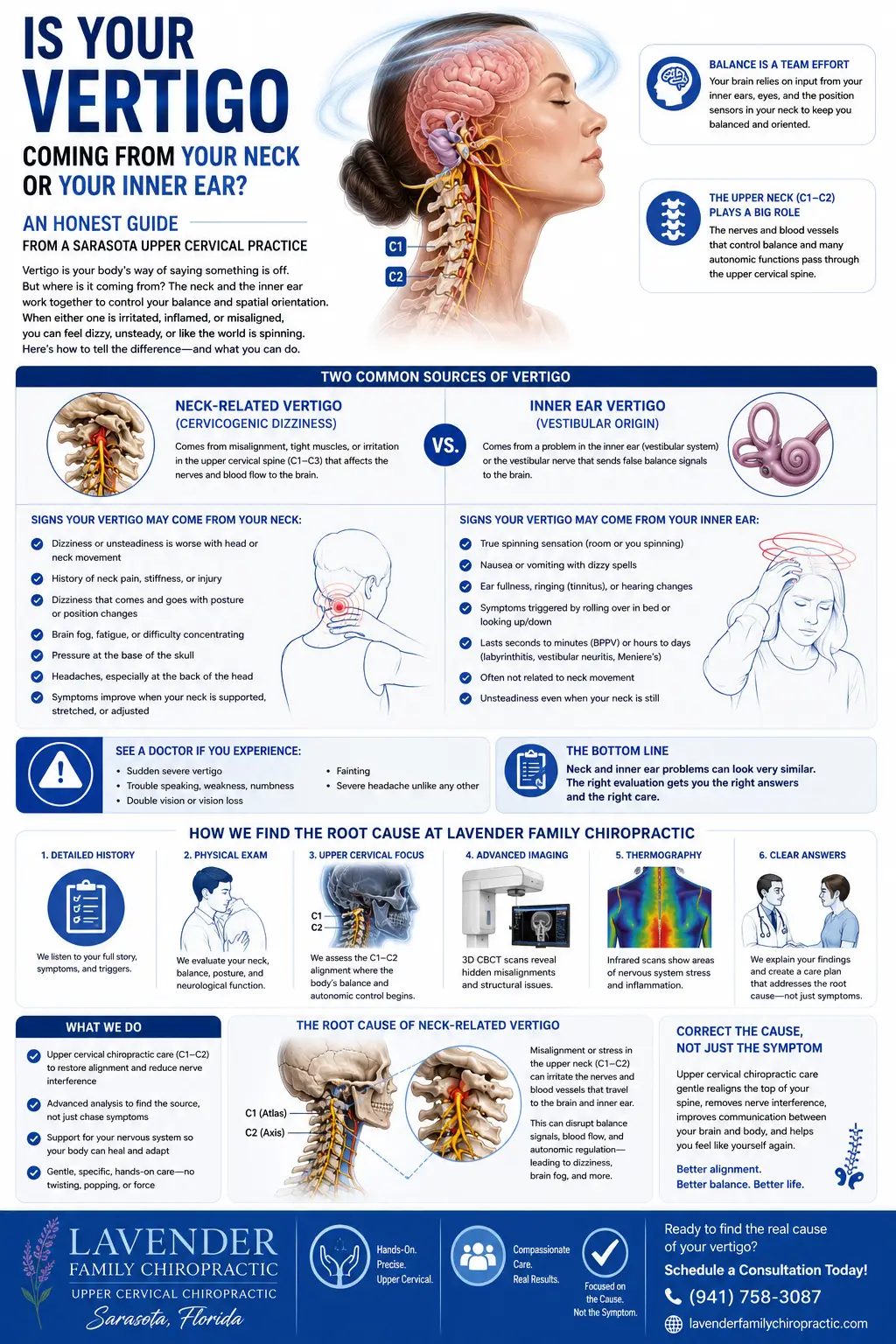
• Chronic dizziness or vertigo
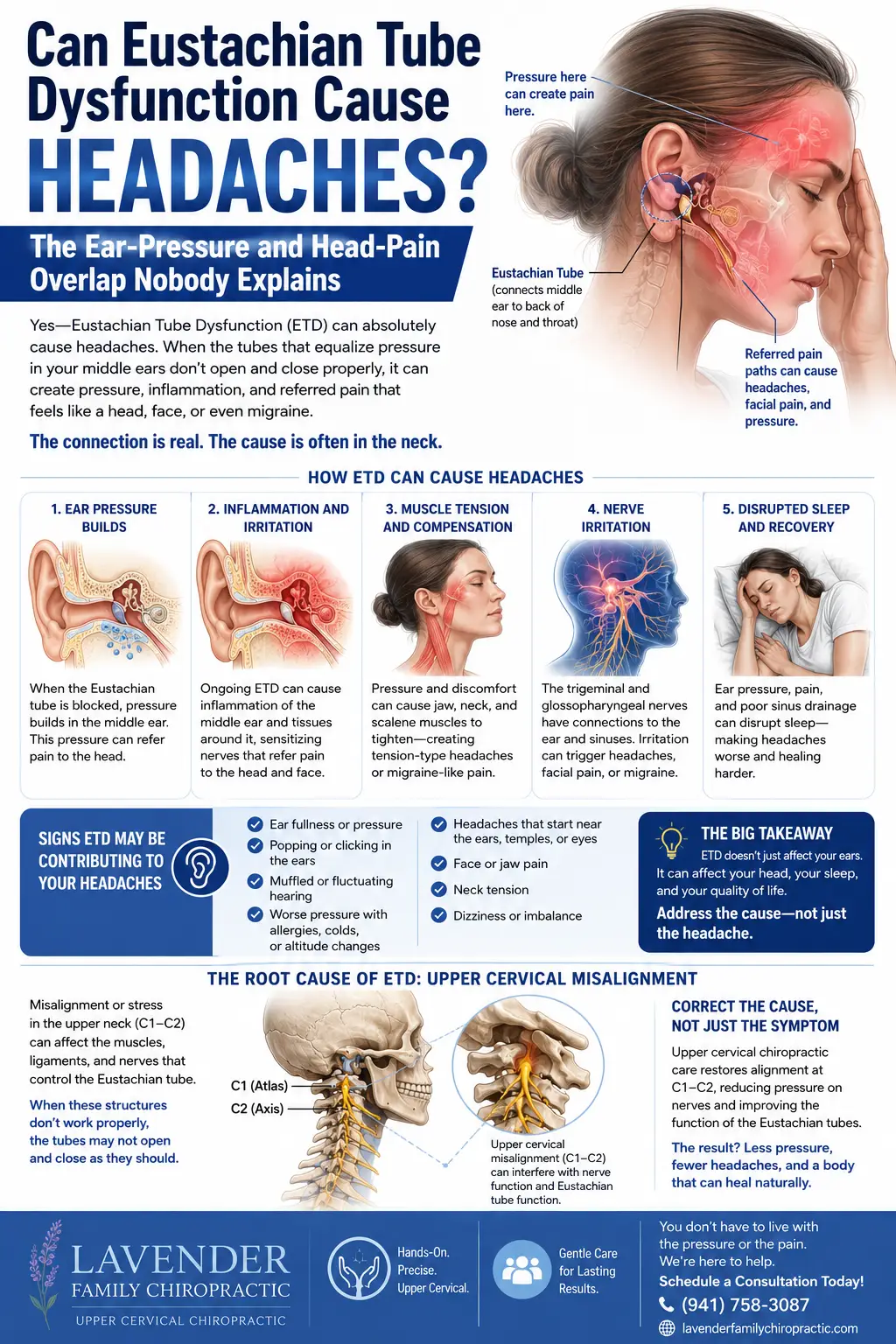
• Migraines or pressure headaches
• Brain fog and fatigue
• Neck pain or stiffness
• History of concussion or whiplash
• Sensitivity to medications or treatments
• Symptoms that worsen with posture or movement
Many patients have been told their imaging is “normal” because traditional scans do not assess upper cervical alignment in three dimensions.
What to Expect at Lavender Family Chiropractic / NeckWise North Sarasota
Your care begins with a comprehensive consultation, neurological scans, posture assessment, and CBCT imaging if indicated. Our doctors analyze your unique alignment pattern and determine whether upper cervical misalignment is contributing to your symptoms.
If care is appropriate, adjustments are gentle, precise, and tailored specifically to your anatomy. Many patients are surprised by how subtle the correction feels.
Healing is measured not just by symptom changes, but by objective neurological improvements.
A Different Path Forward for Dysautonomia
Dysautonomia can feel overwhelming, especially when answers are scarce. Understanding the role of the brainstem and atlas offers a new lens—one that empowers the body to heal rather than forcing it to cope.
Upper cervical chiropractic care does not promise instant results or quick fixes. Instead, it provides a foundation for long-term neurological stability and resilience.
At Lavender Family Chiropractic / NeckWise North Sarasota, our mission is to help patients reconnect with their body’s innate ability to regulate, adapt, and heal.
If you or someone you love is struggling with dysautonomia symptoms, exploring upper cervical care may be the missing piece.
Top 15 Frequently Asked Questions About Dysautonomia and Upper Cervical Care
- Can neck injuries cause dysautonomia?
Yes, especially injuries affecting the upper cervical spine and brainstem. - Is dysautonomia permanent?
Many cases improve when underlying neurological interference is addressed. - Does upper cervical care involve cracking?
No. NeckWise care uses gentle, precise adjustments without twisting or popping. - Can upper cervical care help POTS?
Many POTS patients experience improvements when atlas alignment is corrected. - How long does it take to see results?
Healing timelines vary depending on severity and duration of misalignment. - Is imaging required?
Yes. Precision is essential when working near the brainstem. - Can children have dysautonomia from neck issues?
Yes, especially following injuries or developmental stress. - Does insurance cover upper cervical care?
Our office is out of network, but superbills are provided for reimbursement. - Is upper cervical care safe for sensitive patients?
Yes. It is designed for fragile nervous systems. - Will I need frequent adjustments?
The goal is stability, not constant adjustments. - Can this help anxiety symptoms?
Improved autonomic balance often reduces anxiety-like sensations. - What if I have normal MRIs?
Upper cervical misalignment is often missed on standard imaging. - Does posture matter?
Yes. Head and neck alignment strongly influence nervous system function. - Can this help fatigue?
Yes, by reducing neurological stress. - How do I get started?
Schedule a consultation with our NeckWise team in North Sarasota.
Final Thoughts
Dysautonomia is not a mystery when viewed through the lens of neurology and structure. The atlas, brainstem, and autonomic nervous system are deeply interconnected. By restoring alignment and reducing interference, the body is given space to heal.
Upper cervical chiropractic care offers hope for those who have been searching for answers beyond symptom management. At Lavender Family Chiropractic / NeckWise North Sarasota, we are honored to guide patients on that journey.
Schedule a Consultation
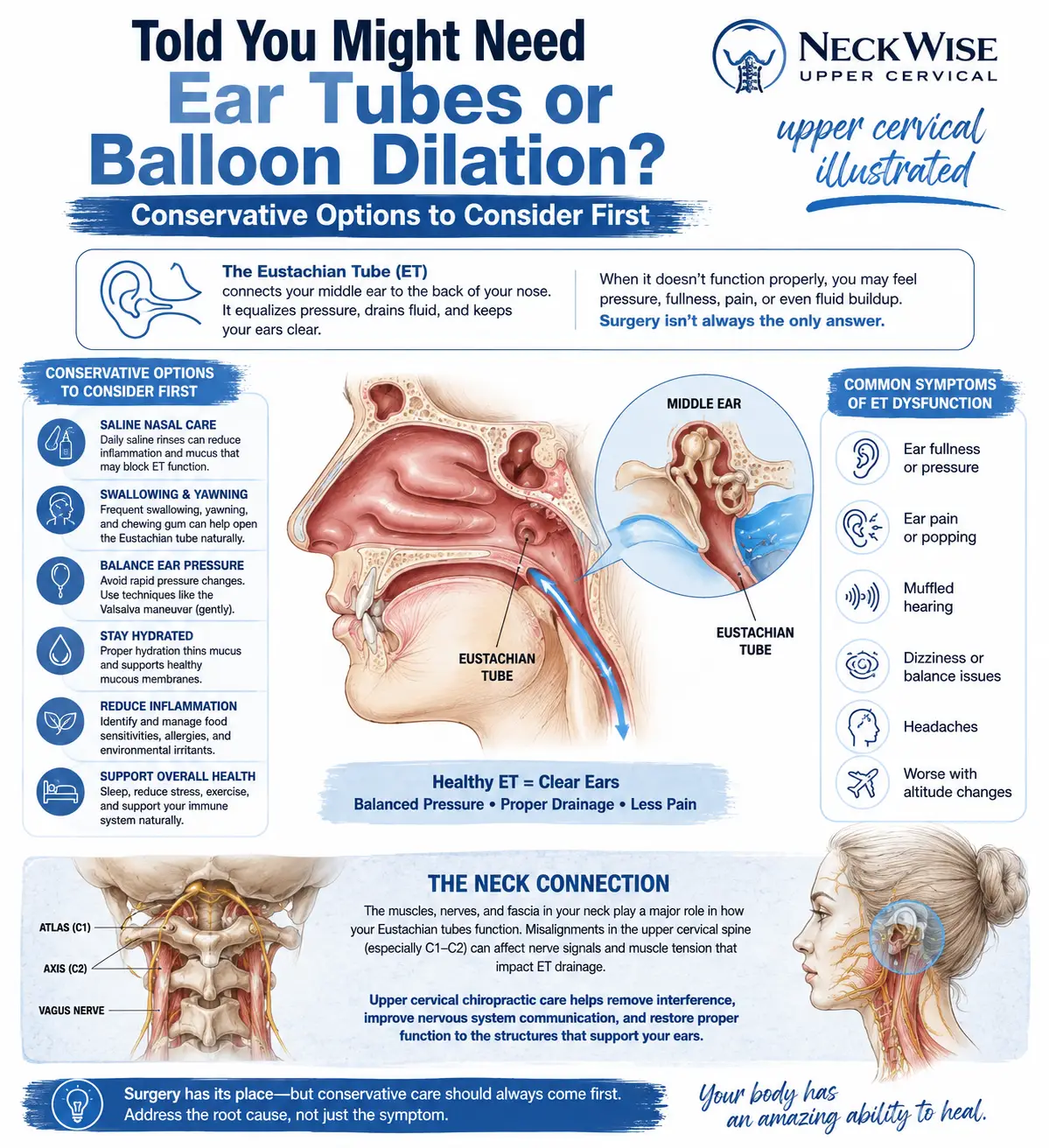
If you’re searching for a chiropractor sarasota florida, chiropractor near me, upper cervical chiropractor near me, or you’ve been looking for answers to ear pressure, dizziness, vertigo, headaches, and chronic congestion, we’re here to help.
Lavender Family Chiropractic (NeckWise North Sarasota)
5899 Whitfield Ave Ste 107, Sarasota, FL 34243
www.chiropractorsarasotaflorida.com
(941)243-3729
To learn more about us go to http://www.chiropractorsarasotaflorida.com
We also service Bradenton, Parrish, Ellenton, Ruskin, Venice, Tampa, St. Pete, Osprey, Longboat, Lakewood Ranch, Myakka City.
If you are in Tampa, Land O Lakes, Fort Myers, or Salt Lake City, you can visit my other locations! NeckWise Upper Cervical. Visit, www.neckwise.com
If you are not local, visit www.uccnearme.com to find a doctor in your area
Serving Sarasota, Bradenton, Lakewood Ranch, Parrish, Ellenton, Venice, Osprey, Siesta Key, Longboat Key, Lido Key, Myakka City, Punta Gorda, and St. Petersburg.