Central Nervous System Dysfunction: Understanding the Root Cause and a Proven Process How Upper Cervical Care Can Help
By Dr. Rusty Lavender, D.C. — upper cervical chiropractor, Lavender Family Chiropractic, Sarasota, FL. Reviewed and updated October 2026.
Our complete guide to upper cervical chiropractic care in Sarasota explains what the top two vertebrae control, how we measure them with 3D imaging, and what a correction feels like.
Introduction: Why the Central Nervous System Matters More Than You Think
The central nervous system (CNS) is the master control system of the body. It is responsible for processing information, coordinating movement, regulating internal organs, and allowing the body to adapt to physical, chemical, and emotional stress. When the central nervous system is functioning properly, the body is resilient, adaptable, and capable of healing. When it is not, symptoms can appear in virtually every system of the body.
Central nervous system dysfunction is not a single diagnosis. Rather, it is a pattern of impaired neurological communication that can manifest as headaches, migraines, vertigo, dizziness, brain fog, fatigue, anxiety, sleep disturbances, digestive issues, blood pressure changes, and chronic pain. Many people spend years chasing symptoms without ever addressing the underlying neurological imbalance driving them.
At Lavender Family Chiropractic – NeckWise North Sarasota, we focus on identifying and correcting one of the most overlooked contributors to central nervous system dysfunction: misalignment of the upper cervical spine, particularly the atlas vertebra. By restoring proper alignment and neurological communication, the body is given the opportunity to regulate, adapt, and heal naturally.
What Is Central Nervous System Dysfunction?
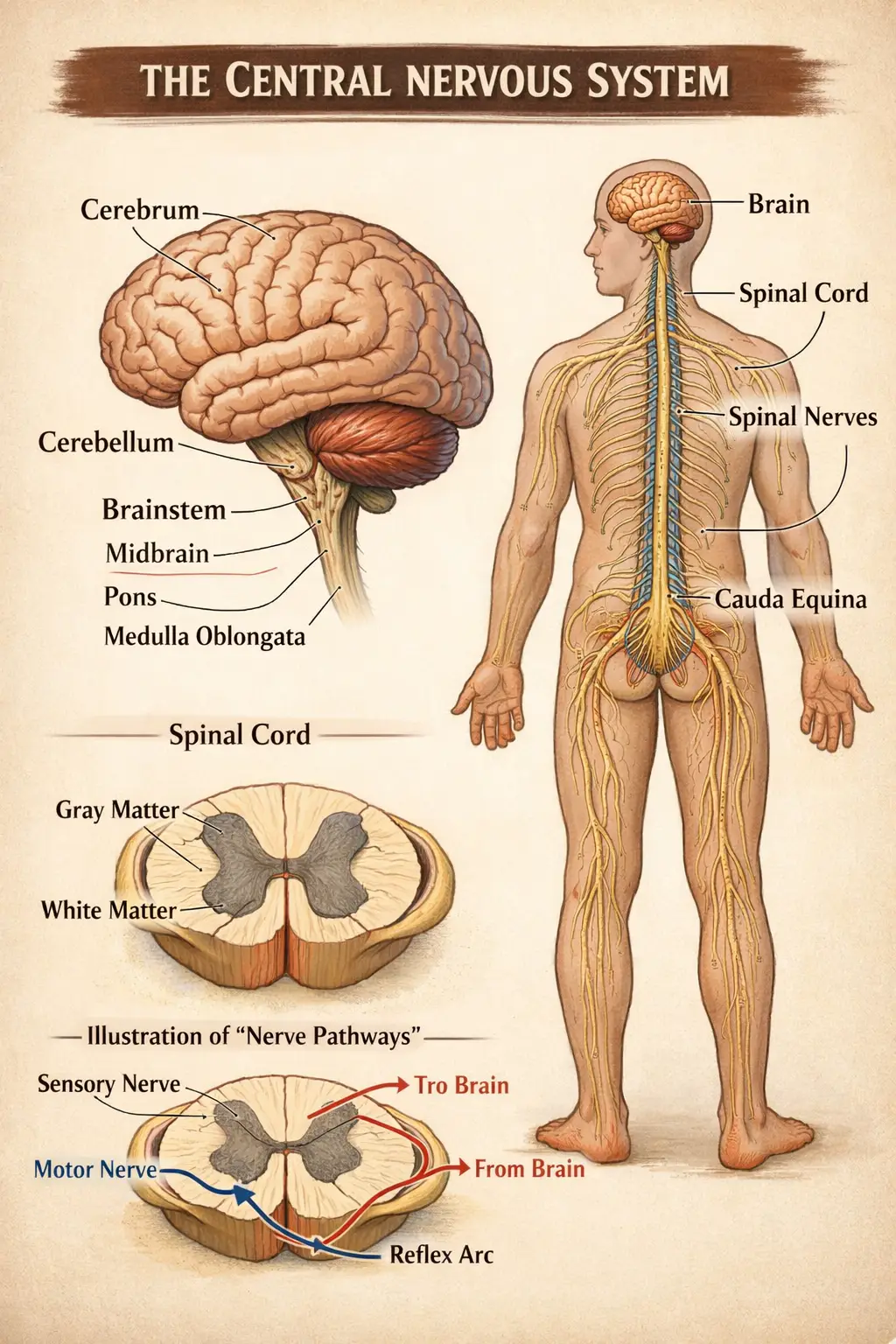
The central nervous system consists of the brain and spinal cord. It acts as the communication highway between the brain and every cell, tissue, and organ in the body. Sensory information travels up the spinal cord to the brain, while motor and regulatory signals travel down to control movement, organ function, immune responses, and balance.
Central nervous system dysfunction occurs when this communication becomes disrupted. This disruption does not always show up on standard medical imaging or lab tests. In many cases, the nervous system is under constant stress, operating in a state of imbalance rather than disease. Over time, this chronic neurological stress can lead to widespread symptoms and reduced quality of life.
Common signs of central nervous system dysfunction include persistent headaches or migraines, dizziness or vertigo, difficulty concentrating, memory issues, chronic fatigue, sleep problems, sensitivity to light or sound, digestive disturbances, heart rate variability issues, and difficulty adapting to stress. These symptoms often fluctuate and may worsen with physical or emotional stress, poor posture, injuries, or changes in weather or barometric pressure.
The Role of the Brainstem in CNS Function
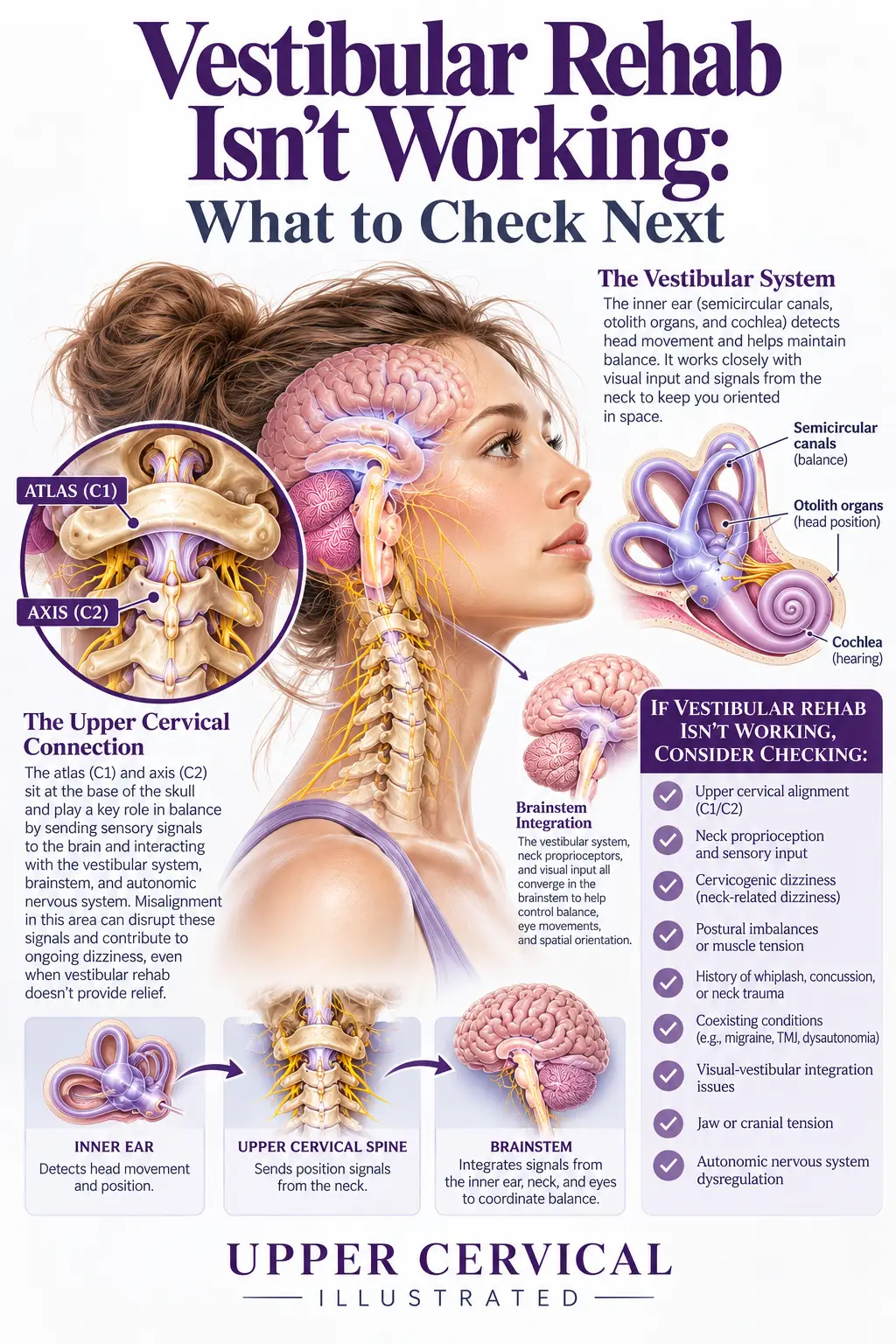
At the core of central nervous system regulation is the brainstem. The brainstem controls many automatic functions that keep us alive, including breathing, heart rate, blood pressure, digestion, balance, and coordination. It also acts as the main relay station between the brain and the spinal cord.
Because of its critical role, even subtle irritation or distortion of the brainstem can have far-reaching effects throughout the body. Unlike other areas of the nervous system, the brainstem has very little room for error. Small mechanical stresses can create significant neurological consequences.
This is where the upper cervical spine becomes critically important.
Understanding the Atlas: The Gateway to Neurological Communication
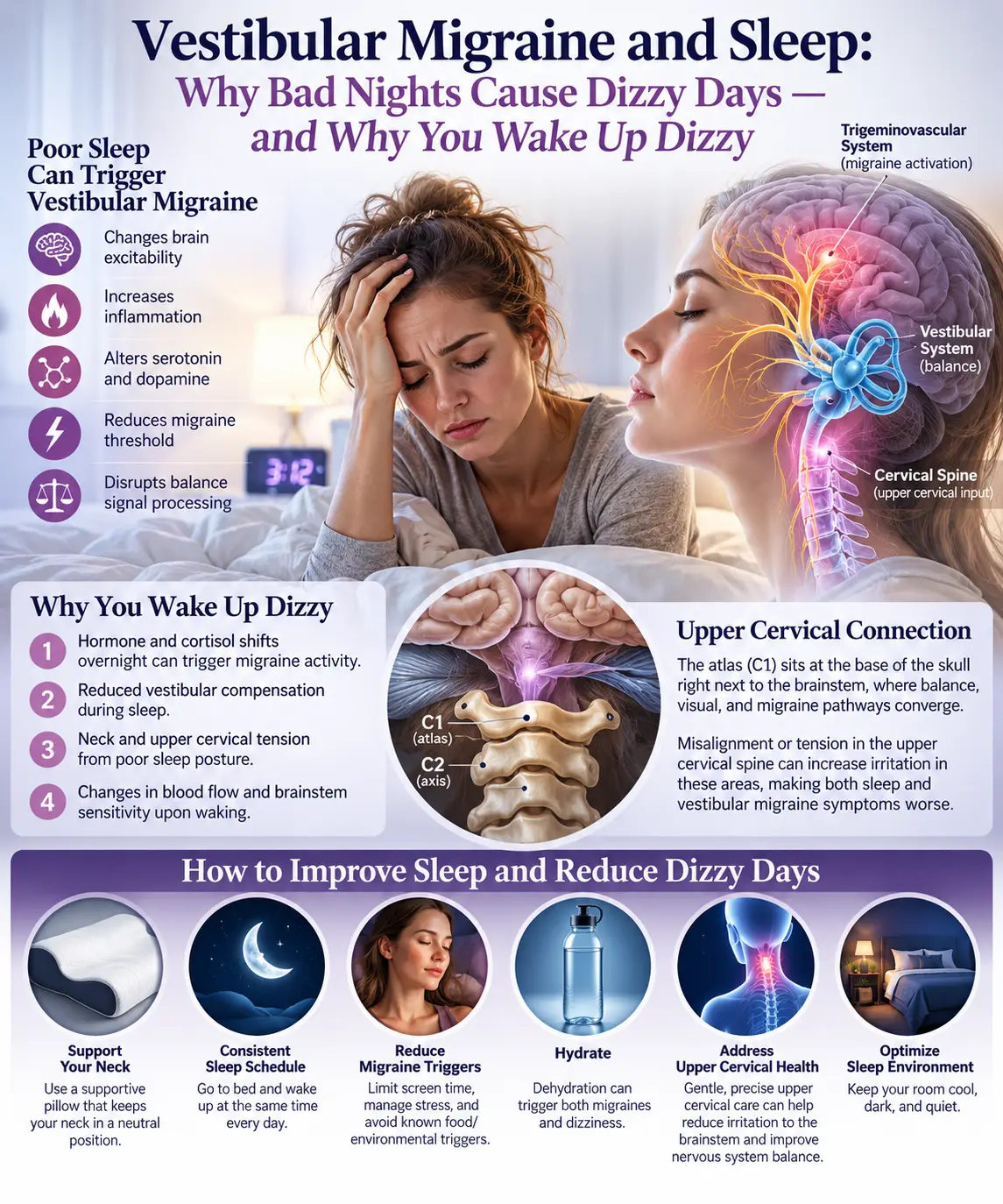
The atlas is the top vertebra in the spine and sits directly beneath the skull. It is uniquely shaped and designed to support the weight of the head while allowing a wide range of motion. Just beneath the atlas lies the brainstem as it transitions into the spinal cord.
Because of this intimate relationship, the position of the atlas has a direct influence on neurological communication between the brain and the body. When the atlas is properly aligned, the spinal cord and brainstem are under minimal mechanical stress. When the atlas becomes misaligned, even by a small amount, it can create tension, distortion, or altered signaling within the central nervous system.
Atlas misalignment can occur from many sources, including car accidents, sports injuries, falls, concussions, repetitive postural stress, or even difficult childhood births. In many cases, people do not feel immediate neck pain, which allows the misalignment to go undetected for years.
How Atlas Misalignment Affects the Central Nervous System
When the atlas is misaligned, it can affect the central nervous system in several key ways. First, it can alter the mechanical environment around the brainstem. This may lead to abnormal neurological signaling, increased muscle tension, and changes in autonomic nervous system balance.
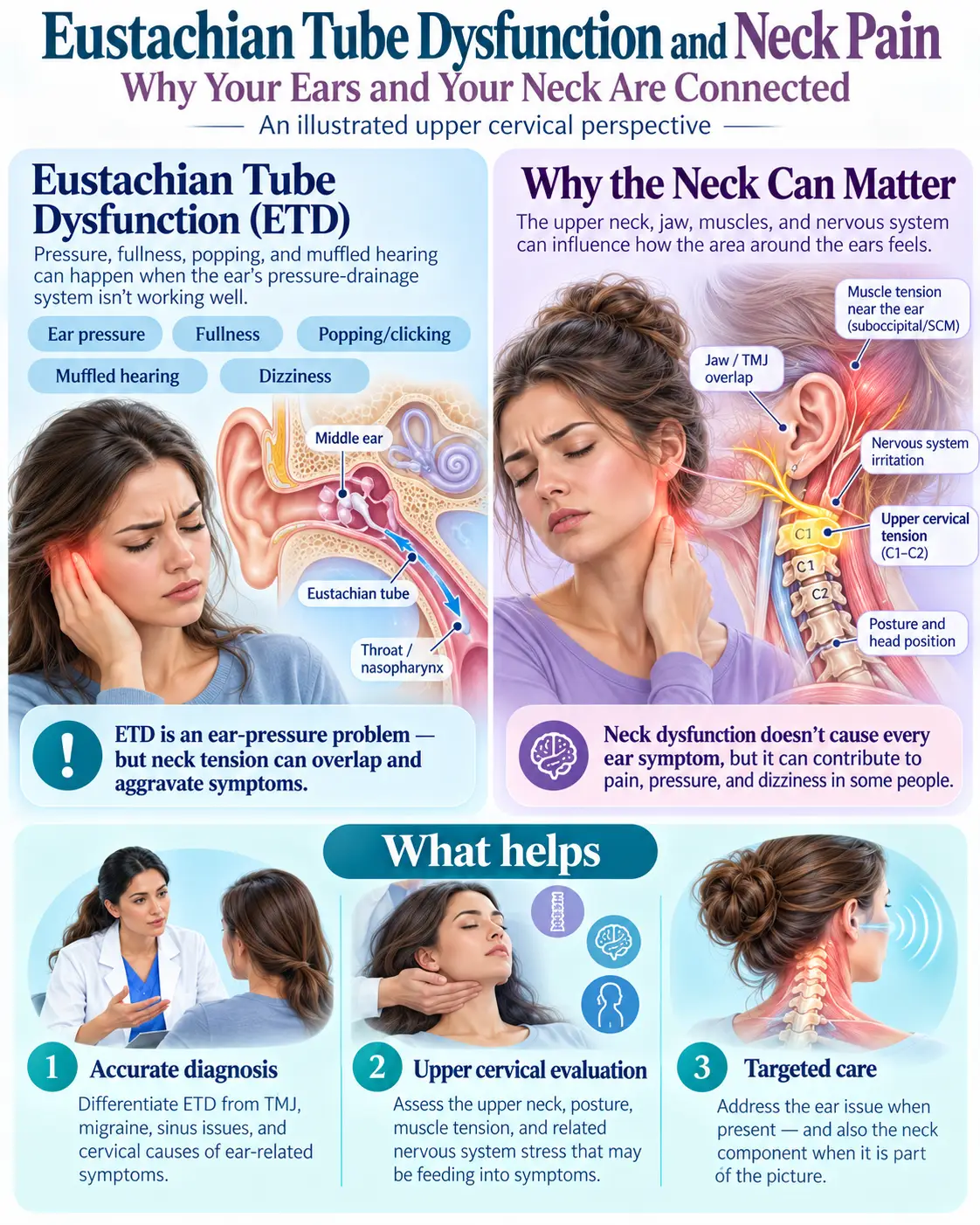
Second, atlas misalignment can disrupt proprioceptive input from the upper neck. The upper cervical spine contains a high concentration of neurological receptors that provide the brain with information about head position and movement. When this input is distorted, the brain may struggle to accurately interpret balance, coordination, and spatial orientation, leading to dizziness, vertigo, and disorientation.
Third, misalignment can affect cerebrospinal fluid dynamics and blood flow regulation. While this is not always discussed in conventional settings, proper alignment of the upper cervical spine supports optimal neurological and vascular function.
Over time, these disruptions can keep the nervous system locked in a stress-dominant state, making it difficult for the body to heal, regulate, and adapt.
Central Nervous System Dysfunction and the Autonomic Nervous System
The autonomic nervous system is a division of the central nervous system that regulates involuntary functions such as heart rate, digestion, blood pressure, and temperature regulation. It consists of two primary branches: the sympathetic nervous system and the parasympathetic nervous system.
The sympathetic nervous system is responsible for the fight-or-flight response, while the parasympathetic nervous system supports rest, digestion, and healing. In a healthy nervous system, these two branches remain in balance.
Atlas misalignment can contribute to chronic sympathetic dominance, meaning the body is constantly stuck in a stress response. This can explain why many people with central nervous system dysfunction feel wired but tired, anxious yet fatigued, or unable to fully relax even when resting.
By correcting upper cervical misalignment, the nervous system is given the opportunity to rebalance, allowing parasympathetic healing processes to resume.
Symptoms Commonly Linked to Central Nervous System Dysfunction
Central nervous system dysfunction does not look the same in every person. Some individuals experience primarily neurological symptoms such as headaches, migraines, dizziness, or brain fog. Others notice systemic symptoms like digestive issues, hormonal imbalance, temperature sensitivity, or immune challenges.
Many people report a combination of physical, cognitive, and emotional symptoms. This is because the central nervous system influences every system in the body. When communication is impaired, no system is truly isolated.
At Lavender Family Chiropractic – NeckWise North Sarasota, we frequently work with patients who have been told their symptoms are unrelated or unexplained. By evaluating the upper cervical spine and nervous system function, we are often able to identify a unifying root cause.
What Is Upper Cervical Chiropractic Care?
Upper cervical chiropractic care is a specialized approach that focuses exclusively on the alignment and function of the top two vertebrae in the spine: the atlas and axis. Unlike general chiropractic care, upper cervical care does not involve twisting, cracking, or forceful manipulation.
The goal of upper cervical care is precision. Through detailed analysis, including advanced imaging and neurological assessments, the exact position of the atlas is identified. Corrections are then delivered gently and specifically to restore proper alignment.
At Lavender Family Chiropractic, our NeckWise approach is designed to work with the nervous system rather than forcing change. This allows the body to respond naturally and sustainably.
The NeckWise Approach at Lavender Family Chiropractic – North Sarasota
NeckWise care at Lavender Family Chiropractic begins with a comprehensive evaluation of the upper cervical spine and nervous system. This includes a detailed health history, postural analysis, neurological assessments, and advanced imaging when necessary.
We utilize state-of-the-art 3D CBCT imaging to visualize the precise alignment of the atlas and its relationship to the skull and spine. This level of detail allows us to customize each correction to the individual rather than using a one-size-fits-all approach.
Once an atlas misalignment is identified, a gentle, precise adjustment is delivered. There is no twisting, popping, or cracking. Many patients are surprised by how subtle the correction feels, yet how profound the changes can be over time.
How Upper Cervical Care Supports CNS Healing
Correcting atlas misalignment removes a major source of neurological interference. When the brainstem is no longer under mechanical stress, the central nervous system can begin to regulate more efficiently.
This improved communication allows the body to adapt to stress, regulate autonomic function, and initiate healing processes that may have been suppressed for years. While upper cervical care does not treat symptoms directly, symptom improvement is often a natural result of improved nervous system function.
Patients frequently report improvements in clarity, balance, sleep quality, energy levels, and overall resilience. These changes reflect improved central nervous system regulation rather than temporary symptom relief.
Why Many Treatments Fail to Address CNS Dysfunction
Traditional healthcare often focuses on managing symptoms rather than restoring neurological function. Medications may suppress pain or dizziness but do not correct the underlying communication breakdown within the central nervous system.
Physical therapy, massage, and exercise can provide temporary relief but may not address the root mechanical issue affecting the brainstem and spinal cord. Without correcting atlas alignment, the nervous system may remain under chronic stress.
Upper cervical care fills this gap by addressing the structural and neurological relationship between the head, neck, and central nervous system.
Who Can Benefit from Upper Cervical Care?
Upper cervical care may benefit individuals experiencing chronic headaches, migraines, vertigo, dizziness, post-concussion symptoms, brain fog, fatigue, sleep disturbances, anxiety, neck pain, and other signs of central nervous system dysfunction.
It is especially valuable for those who have tried multiple treatments without lasting results. By focusing on the root cause rather than isolated symptoms, upper cervical care offers a different path forward.
The Healing Process: What to Expect
Healing through upper cervical care is a process, not an event. After an initial correction, the body begins adapting to improved alignment and neurological communication. Follow-up assessments are used to monitor stability and nervous system response.
Over time, the goal is for the atlas to hold its correction, allowing the nervous system to function without repeated interference. This creates a foundation for long-term neurological health.
Why Choose Lavender Family Chiropractic – NeckWise North Sarasota
Lavender Family Chiropractic is recognized for its focus on precision, technology, and patient-centered care. Our doctors are dedicated to helping patients understand their condition and the role of the upper cervical spine in nervous system health.
We serve individuals from Sarasota, Lakewood Ranch, Bradenton, and surrounding areas who are seeking answers and long-term solutions. Our approach is gentle, thorough, and rooted in neurological principles.
Conclusion: Restoring Communication, Restoring Health
Central nervous system dysfunction is often the missing link in chronic, unexplained health challenges. When the brain and body cannot communicate effectively, symptoms persist despite best efforts.
By addressing atlas misalignment through upper cervical care, the nervous system is given the opportunity to reset, regulate, and heal. At Lavender Family Chiropractic – NeckWise North Sarasota, our mission is to restore this communication and help patients reclaim their health from the inside out.
If you are struggling with ongoing symptoms and are ready to explore a root-cause approach, upper cervical care may be the next step toward lasting neurological health.
Schedule a Consultation
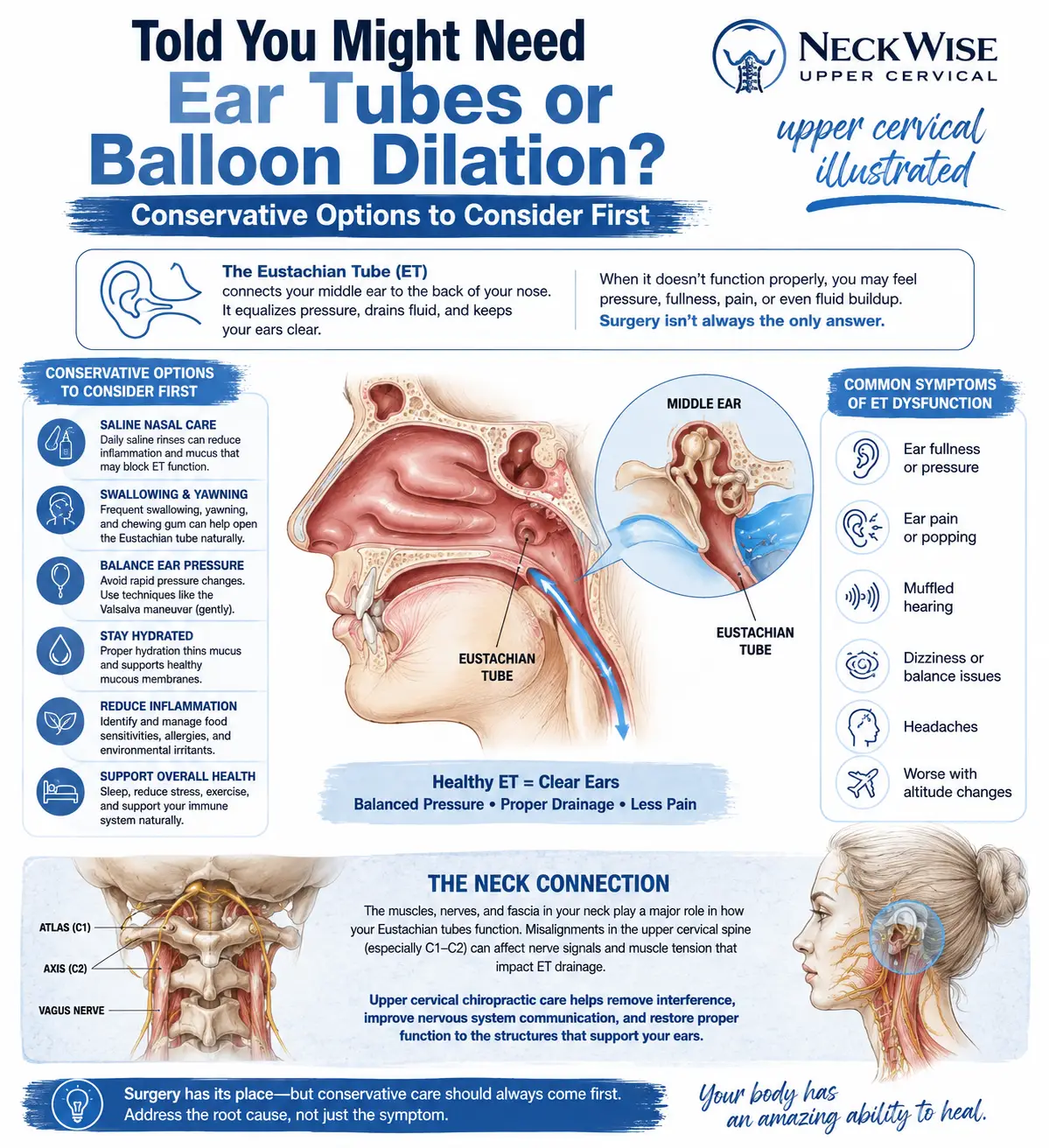
If you’re searching for a chiropractor sarasota florida, chiropractor near me, upper cervical chiropractor near me, or you’ve been looking for answers to ear pressure, dizziness, vertigo, headaches, and chronic congestion, we’re here to help.
Lavender Family Chiropractic (NeckWise North Sarasota)
5899 Whitfield Ave Ste 107, Sarasota, FL 34243
www.chiropractorsarasotaflorida.com
(941)243-3729
To learn more about us go to http://www.chiropractorsarasotaflorida.com
We also service Bradenton, Parrish, Ellenton, Ruskin, Venice, Tampa, St. Pete, Osprey, Longboat, Lakewood Ranch, Myakka City.
If you are in Tampa, Land O Lakes, Fort Myers, or Salt Lake City, you can visit my other locations! NeckWise Upper Cervical. Visit, www.neckwise.com
If you are not local, visit www.uccnearme.com to find a doctor in your area
Serving Sarasota, Bradenton, Lakewood Ranch, Parrish, Ellenton, Venice, Osprey, Siesta Key, Longboat Key, Lido Key, Myakka City, Punta Gorda, and St. Petersburg.
What the Research Says About the Nervous System and the Upper Neck
Central nervous system dysfunction is a broad phrase, and it is important to say what the research does and does not support. Diseases of the central nervous system such as multiple sclerosis, an immune-mediated demyelinating disease diagnosed by MRI and clinical criteria (Reich et al., N Engl J Med 2018), and Parkinson’s disease, a progressive loss of dopamine neurons with motor and non-motor features (Kalia & Lang, Lancet 2015), are managed by neurologists, and research on upper cervical chiropractic for them is limited to case reports and small studies. Upper cervical care does not reverse disease of the brain or spinal cord, and any claim that an atlas correction fixes the root cause of neurological illness goes beyond the evidence.
What the research does describe is a more modest, well-documented relationship: the upper neck is a major source of sensory input to the central nervous system, and disturbing that input has consequences. Disturbed cervical afferent input alters head and eye movement control and produces dizziness and unsteadiness (Kristjansson & Treleaven, J Orthop Sports Phys Ther 2009), and a review proposes that spinal manipulation works by altering sensorimotor integration, the way the central nervous system processes input from the spine (Haavik & Murphy, J Electromyogr Kinesiol 2012). That is the component we can examine and change. In practice, that means 3D imaging of the atlas, a correction matched to those images, and re-measurement to confirm the alignment has actually changed.
Frequently Asked Questions
What is central nervous system dysfunction?
Central nervous system dysfunction describes a state in which the brain and spinal cord are not processing and sending signals efficiently, even when no single disease explains it. Symptoms can be scattered: headaches, dizziness, fatigue, brain fog, sleep trouble, and odd sensations. Because the brainstem is the relay for nearly all of that traffic, and the atlas surrounds it, we assess the upper cervical spine with cone-beam CT and read nervous system regulation with thermography.
How can an atlas misalignment affect the brainstem?
The atlas forms a ring around the lower brainstem and upper spinal cord. When it shifts, the surrounding ligaments, membranes, and blood vessels are pulled out of their normal relationship, which can irritate neural tissue and alter blood and cerebrospinal fluid flow. The Knee Chest technique corrects that position with a precise, low-force adjustment calculated from imaging, no twisting involved. Thermography before and after shows whether the brainstem is regulating the body more evenly.
What is the connection between CNS dysfunction and the autonomic nervous system?
The autonomic centers that run heart rate, blood pressure, digestion, temperature, and sweating sit in the brainstem, and the vagus nerve exits the skull beside the atlas. When that region is mechanically stressed, autonomic output becomes erratic, which is why patients report racing heart, cold hands, or digestive trouble alongside neck symptoms. Paraspinal infrared thermography reads that autonomic activity directly, so we can see imbalance and confirm change after a correction.
What symptoms are commonly linked to CNS dysfunction from the upper neck?
Common patterns include migraines and head pressure, vertigo and unsteadiness, brain fog, visual disturbance, ringing in the ears, tingling in the arms, fatigue, and anxiety-like symptoms with no clear trigger. These often follow a car accident, fall, or concussion, sometimes years earlier. Serious causes should be ruled out by a physician. Once they are, we examine whether the atlas is contributing, correct the alignment when it is, and measure the nervous system’s response.
Where can someone in Lakewood Ranch or Bradenton get a CNS-focused upper cervical evaluation?
Our Sarasota office at 5899 Whitfield Avenue, Suite 107, sits at the corner of University Parkway and Whitfield, minutes from Lakewood Ranch, Bradenton, and University Park. The evaluation includes a thorough history, neurological testing, paraspinal thermography, and 3D cone-beam CT when indicated. We coordinate with neurologists and physicians and share imaging on request. Care plans are individual and reassessed with thermography each visit. Call (941) 243-3729 to schedule an evaluation.
Get our upper cervical articles first.