
Lavender Family Chiropractic: Your Chiropractor Bradenton and Sarasota Florida
If you’re searching for a chiropractor in Bradenton because you’re dealing with vertigo, migraines, dizziness, neck pain, pressure at the base of the skull, or lingering symptoms after a car accident, you are not alone. These symptoms are incredibly common—and often incredibly frustrating—because many people are told they are “normal,” stress-related, or something they simply have to live with.
At Lavender Family Chiropractic, powered by NeckWise Clinics, we see something different every day. We see people whose symptoms are rooted not in bad luck or aging, but in a misalignment of the upper cervical spine—the most neurologically sensitive area of the entire body.
This blog is designed to help you understand:
- Why so many people in Bradenton struggle with chronic neurological symptoms
- How the upper cervical spine plays a central role in balance, headaches, and nervous system function
- Why upper cervical chiropractic care is fundamentally different from traditional chiropractic
- And why Lavender Family Chiropractic powered by NeckWise Clinics is widely recognized as the best chiropractor in Bradenton for complex cases like vertigo, migraines, dizziness, and post-accident injuries
Why So Many Bradenton Residents Are Struggling with Vertigo, Migraines, and Neck Pain: Chiropractor Bradenton
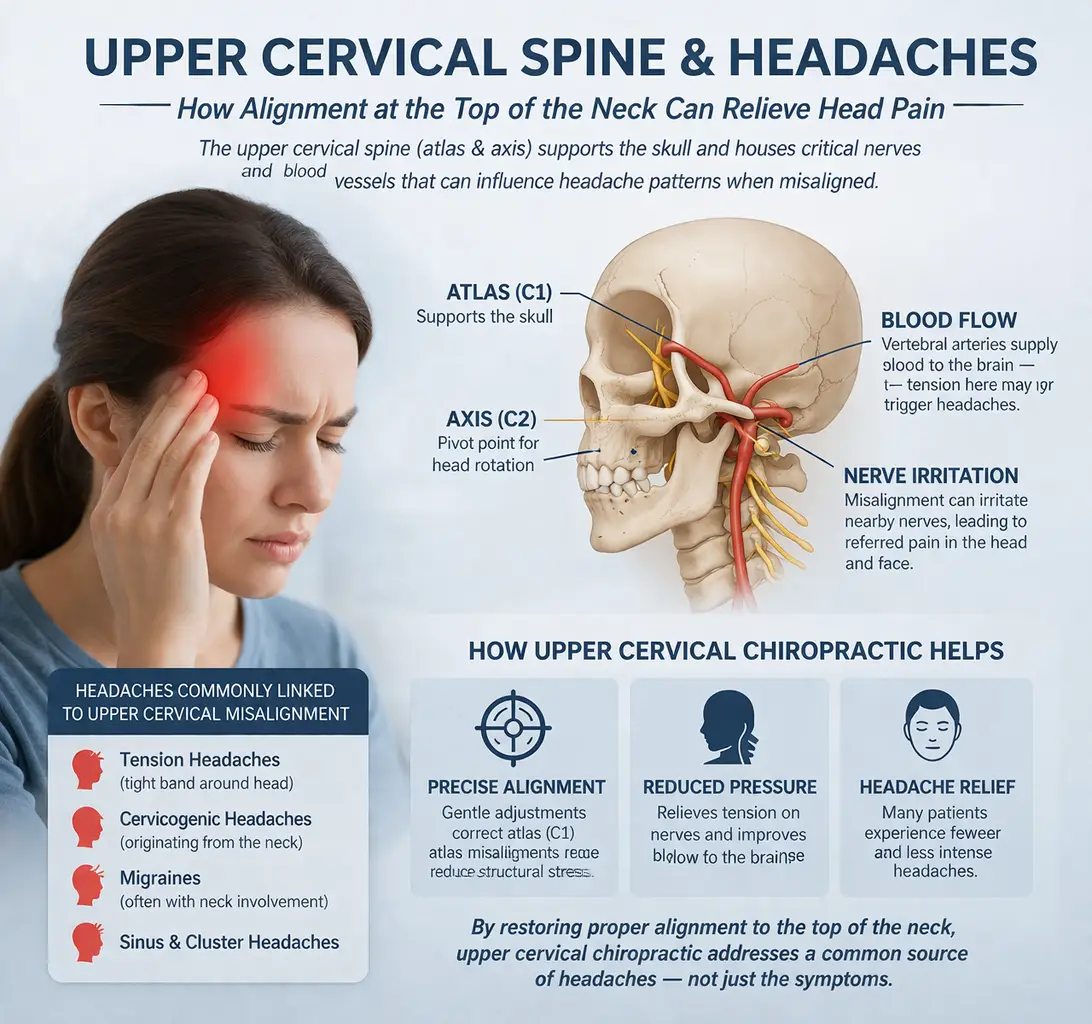
Bradenton is a vibrant community, but like everywhere else, daily life places stress on the body. Car accidents, falls, repetitive posture strain, sports injuries, and even old childhood injuries can all affect the neck—especially the top two vertebrae, known as the atlas (C1) and axis (C2).
What makes these vertebrae unique is that:
- They support the weight of the head
- They protect the brainstem
- They control the communication between the brain and the rest of the body
When the upper cervical spine becomes misaligned—even slightly—it can disrupt:
- Blood flow to and from the brain
- Cerebrospinal fluid drainage
- Nervous system signaling
- Balance and spatial orientation
This is why symptoms like vertigo, migraines, dizziness, pressure at the base of the skull, brain fog, and chronic neck pain so often appear together.
Understanding the Upper Cervical Spine and the Nervous System

The upper cervical spine is not just another part of your neck—it is the control center for the body’s regulatory systems.
The brainstem, which passes directly through the upper cervical region, regulates:
- Balance and equilibrium
- Heart rate and blood pressure
- Breathing
- Muscle tone and posture
- Pain processing
When the atlas or axis shifts out of alignment, it can place abnormal tension on the brainstem and surrounding neurological structures. This tension doesn’t always show up as sharp pain. Instead, it often manifests as:
- Persistent dizziness or vertigo
- Migraines or tension headaches
- Pressure or tightness at the base of the skull
- Visual disturbances
- Fatigue or brain fog
Traditional chiropractic often focuses on restoring motion throughout the spine. Upper cervical chiropractic, on the other hand, focuses on restoring neurological balance by correcting the alignment at the very top of the spine.
What Makes Lavender Family Chiropractic the Best Chiropractor in Bradenton
1. Advanced Upper Cervical Focus
Lavender Family Chiropractic is not a general chiropractic office that “also does upper cervical.” Upper cervical care is the entire foundation of our practice. Every exam, scan, and adjustment is designed around correcting and stabilizing the atlas and axis.
2. Precise, Gentle Corrections
There is no twisting, cracking, or forceful manipulation. Upper cervical adjustments are:
- Highly specific
- Extremely gentle
- Customized to your exact anatomy
Many patients are surprised by how light the adjustment feels—and even more surprised by how powerful the results are.
3. Technology-Driven Analysis
Rather than guessing, our doctors use advanced imaging and neurological assessments to determine:
- The exact direction and degree of misalignment
- How the nervous system is responding
- Whether the correction is holding
This allows us to make precise corrections and avoid unnecessary adjustments.
4. Care for Complex Conditions
We regularly help people who have been told:
- “Your MRI looks normal”
- “It’s just anxiety”
- “You’ll have to manage this forever”
Vertigo, migraines, dizziness, and post-accident symptoms are not mysteries when the upper cervical spine is evaluated properly.
Vertigo and Dizziness: Why the Neck Is Often the Missing Piece

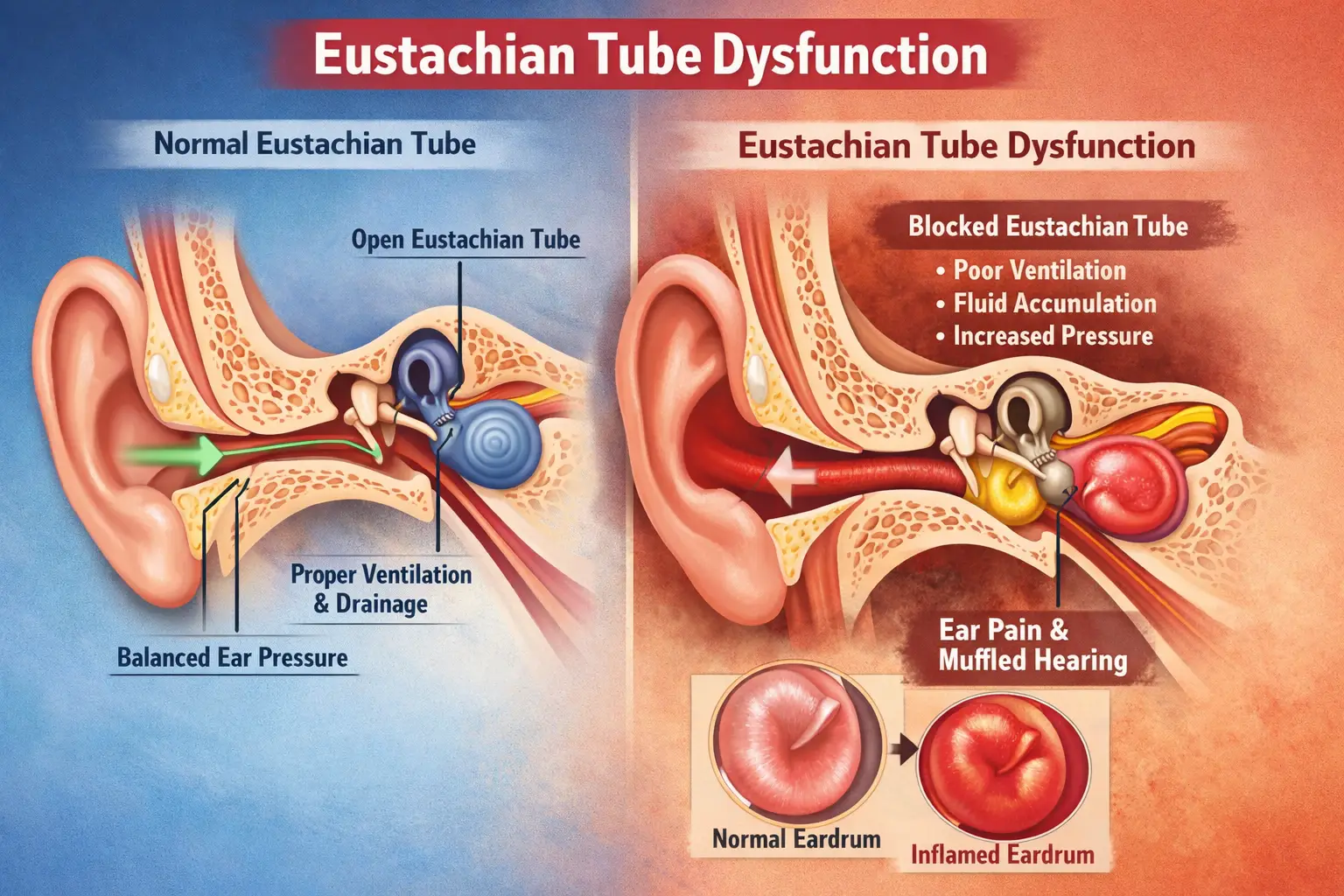
Many people assume vertigo always comes from the inner ear. While the vestibular system is involved, it is directly connected to the brainstem, which sits inside the upper cervical spine.
When the atlas is misaligned:
- Signals between the inner ear and brain can become distorted
- Head position sensing becomes inaccurate
- Balance reflexes misfire
- Symptoms of Vertigo may occur
This leads to spinning sensations, rocking, lightheadedness, or feeling “off” even when standing still.
Upper cervical chiropractic does not treat vertigo as an ear problem—it addresses the neurological interference that prevents the brain from processing balance information correctly.
Migraines and Headaches: Pressure at the Base of the Neck Explained
Migraines are not just “bad headaches.” They are neurological events involving altered blood flow, nerve irritation, and brainstem dysfunction.
A misaligned upper cervical spine can:
- Restrict vertebral artery blood flow
- Create abnormal muscle tension
- Irritate pain-sensitive structures
Many patients describe:
- A band of pressure around the head
- Tightness or heaviness at the base of the skull
- Headaches that start in the neck and move upward
Upper cervical corrections often reduce both the frequency and intensity of migraines by removing the structural stress that triggers them.
Car Accidents and Whiplash: Why Symptoms Often Linger
Even low-speed car accidents can cause significant upper cervical trauma. Whiplash forces commonly shift the atlas out of alignment without causing immediate pain.
Weeks or months later, symptoms appear:
- Neck stiffness
- Dizziness
- Headaches
- Difficulty concentrating
Because standard imaging often misses subtle misalignments, many accident victims are told nothing is wrong. Upper cervical imaging and analysis reveal what traditional exams often miss.
Upper Cervical Chiropractic: A Deeper Look at the Most Neurologically Focused Form of Chiropractic Care
Upper cervical chiropractic is a highly specialized, precise approach to chiropractic care that focuses exclusively on the top two vertebrae of the spine—the atlas (C1) and axis (C2). While these bones are small, their influence on the body is enormous. They support the head, protect the brainstem, and play a critical role in how the nervous system communicates with every organ, muscle, and system in the body.
Unlike traditional chiropractic, which often addresses multiple regions of the spine to restore motion and reduce pain, upper cervical chiropractic is centered on restoring neurological balance. The goal is not simply to make joints move better, but to remove interference to the nervous system so the body can heal and regulate itself naturally.
Why the Upper Cervical Spine Is So Important
The upper cervical spine is the most delicate and neurologically dense region of the entire spinal column. The brainstem passes directly through this area as it transitions from the brain to the spinal cord. The brainstem is responsible for many automatic, life-sustaining functions, including balance, breathing, blood pressure regulation, heart rate, muscle tone, and pain processing.
When the atlas or axis becomes misaligned—often due to car accidents, falls, sports injuries, repetitive posture strain, or even childhood trauma—it can create subtle but significant stress on the brainstem and surrounding neurological tissues. This stress may not always cause immediate pain. Instead, it often leads to symptoms that seem unrelated or difficult to explain, such as:
- Vertigo or dizziness
- Migraines and chronic headaches
- Pressure or tightness at the base of the skull
- Brain fog or difficulty concentrating
- Neck stiffness or reduced range of motion
- Fatigue and poor sleep
Because these symptoms don’t always show up on standard imaging or blood work, many people are told everything looks “normal,” even though they don’t feel normal at all.
How Upper Cervical Misalignments Affect the Nervous System
An upper cervical misalignment, sometimes referred to as an atlas or axis subluxation, can alter how the head sits on the spine. Even a small shift can change how gravity loads the neck and how neurological signals travel between the brain and the body.
This can lead to:
- Abnormal tension on the spinal cord and brainstem
- Disrupted communication between the brain and balance centers
- Altered blood flow to and from the brain
- Changes in muscle tone and posture throughout the body
Because the nervous system controls everything, interference at this level can produce symptoms far beyond the neck itself. This is why upper cervical chiropractic is often sought out by people with complex, chronic, or neurological conditions rather than simple back pain alone.
What Makes Upper Cervical Chiropractic Different
Upper cervical chiropractic is fundamentally different from traditional chiropractic in several key ways.
First, the focus is extremely specific. Rather than adjusting many spinal segments, upper cervical chiropractors focus only on C1 and C2. These vertebrae are analyzed in great detail to determine the exact direction and degree of misalignment unique to each individual.
Second, the adjustments are very gentle. There is no twisting, popping, or forceful manipulation. Corrections are delivered with minimal force, often using precise vectors or light instruments. Many patients are surprised by how subtle the adjustment feels.
Third, upper cervical care emphasizes stability over repetition. Instead of being adjusted at every visit, patients are only adjusted when the misalignment returns. The goal is to help the body hold its correction so the nervous system can remain balanced and healing can continue uninterrupted.
The Role of Advanced Analysis and Imaging
Upper cervical chiropractic relies heavily on advanced analysis rather than guesswork. This may include detailed imaging of the upper cervical spine, posture analysis, neurological assessments, and functional scans that evaluate how the nervous system is responding to stress.
These tools allow the chiropractor to:
- Identify the exact misalignment pattern
- Customize the correction to the patient’s anatomy
- Monitor how well the correction is holding
- Adjust the care plan based on neurological response
This level of precision is what makes upper cervical care so effective for people who have not responded well to other approaches.
Conditions Commonly Associated with Upper Cervical Misalignment
Upper cervical chiropractic is commonly sought out by people dealing with conditions such as vertigo, migraines, dizziness, post-concussion symptoms, whiplash injuries, chronic neck pain, jaw tension, and neurological fatigue. Many of these individuals have tried medications, physical therapy, or general chiropractic without lasting results.
Rather than treating symptoms directly, upper cervical care addresses the structural cause that may be preventing the nervous system from functioning normally. When interference is reduced, the body often begins to self-correct in ways that surprise patients.
What the Healing Process Looks Like
Healing through upper cervical chiropractic is not about quick fixes or temporary relief. It is a process of restoring alignment, allowing the nervous system to stabilize, and giving the body time to adapt and repair.
Some people notice changes quickly, such as improved balance or reduced headache frequency. Others experience gradual improvements over weeks or months as their nervous system becomes more regulated. Because the approach is gentle and specific, it is appropriate for people of all ages, including those who may be hesitant about traditional chiropractic techniques.
A Different Philosophy of Care
At its core, upper cervical chiropractic is built on the understanding that the body is intelligent and self-healing when given the right conditions. Instead of forcing change, this approach removes obstacles so the body can do what it is designed to do.
By focusing on the most critical junction between the brain and body, upper cervical chiropractic offers a unique path for people who want to address the root cause of their symptoms rather than manage them indefinitely.
Why Upper Cervical Chiropractic Continues to Grow
As more people search for answers beyond symptom-based care, upper cervical chiropractic continues to gain recognition. Its emphasis on precision, neurology, and long-term stability makes it especially appealing for those dealing with chronic or unexplained conditions.
For many, discovering upper cervical care is the turning point—the moment they realize their symptoms are not random and that true healing is possible when the nervous system is finally given the chance to function without interference.
The Healing Process: What Patients Often Experience
After upper cervical correction, many patients report:
- Improved balance
- Reduced headache frequency
- Clearer thinking
- Decreased neck tension
- Better sleep
Healing is not about masking symptoms—it’s about allowing the nervous system to regulate itself again.
Top 15 FAQs About Chiropractic and Upper Cervical Care
1. What conditions does upper cervical chiropractic help?
Vertigo, migraines, dizziness, neck pain, post-concussion symptoms, whiplash, brain fog, and more.
2. Is upper cervical chiropractic safe?
Yes. It is one of the gentlest forms of chiropractic care available.
3. Does the adjustment hurt?
No. Most patients are surprised by how light it feels.
4. How is this different from regular chiropractic?
Upper cervical focuses only on the atlas and axis and prioritizes neurological balance.
5. How many adjustments will I need?
That depends on how well your body holds the correction. Many patients need fewer adjustments over time.
6. Can this help long-standing migraines?
Yes, especially when migraines originate from neck misalignment.
7. What if I’ve tried chiropractic before?
Upper cervical is a specialized approach and very different from traditional care.
8. Do you treat car accident injuries?
Yes. Upper cervical care is ideal for whiplash-related injuries.
9. Will I hear cracking sounds?
No cracking, twisting, or popping is used.
10. How long before I see results?
Some notice changes quickly; others improve gradually as the nervous system stabilizes.
11. Is this care appropriate for older adults?
Yes. The gentle nature makes it suitable for all ages.
12. Does insurance cover upper cervical care?
Our office is out of network with insurance. Many patients receive a superbill to submit for reimbursement. We offer flexible payment and financing options.
13. Can this help dizziness without neck pain?
Absolutely. Many patients have neurological symptoms without pain.
14. How do you know if the correction is holding?
Through neurological scans and follow-up assessments.
15. Why choose Lavender Family Chiropractic in Bradenton?
Because of our exclusive focus on upper cervical care, advanced analysis, and experience with complex neurological cases.
Why Bradenton Patients Choose Lavender Family Chiropractic Powered by NeckWise Clinics
People choose our office because they are ready for answers—not guesses. They want a chiropractor in Bradenton who understands the root cause of their symptoms and has the tools to address it safely and effectively.
Upper cervical chiropractic is not about temporary relief. It’s about restoring balance, stability, and function to the nervous system so the body can heal the way it was designed to.
A Final Word for Anyone Still Searching for Answers
If you’ve been living with vertigo, migraines, dizziness, neck pain, pressure at the base of your skull, or unresolved car accident symptoms, there is hope. The problem may not be where you’ve been looking—it may be in the upper cervical spine.
Lavender Family Chiropractic powered by NeckWise Clinics continues to help Bradenton residents reclaim their health, clarity, and confidence—without drugs, injections, or surgery.
Your body isn’t broken. It may simply need the right correction in the right place.
Lavender Family Chiropractic in Sarasota Florida offers complimentary consultations to learn more about you. Click the link below!
https://intake.chirohd.com/new-patient-scheduling/724/lavender-family-chiropractic
Visit our Website!
To learn more about us go to http://www.chiropractorsarasotaflorida.com
We also service Bradenton, Parrish, Ellenton, Ruskin, Venice, Tampa, St. Pete, Osprey, Longboat, Lakewood Ranch, Myakka City.
If you are in Tampa, Fort Myers, or Salt Lake City, you can visit my other locations! NeckWise Upper Cervical. Visit, www.neckwise.com
If you are not local, visit www.uccnearme.com to find a doctor in your area