Craniocervical instability (CCI) is one of the most overlooked reasons people struggle with stubborn, life-altering symptoms like vertigo, chronic neck pain, migraines, dizziness, brain fog, visual disturbances, pressure at the base of the skull, and a constant “wired-but-tired” feeling. Many patients spend years bouncing between providers, collecting diagnoses that never fully explain what’s happening — or treatments that help temporarily but never truly resolve the problem.
If that’s your experience, you’re not alone.
Here’s what makes CCI so confusing: the root issue can sit at the exact junction between your skull and your upper neck, and the consequences can spread through the entire nervous system. Because the brainstem, spinal cord, cranial nerves, and key blood vessels pass through this region, even subtle instability can create symptoms that feel “all over the place.” And because most conventional imaging is performed in neutral positions (and often focused on ruling out fractures or tumors), CCI can be missed — especially when it’s a functional instability rather than a dramatic structural failure.
In this article, we’re going to break down:
- What craniocervical instability really means (in plain language)
- Why CCI can trigger vertigo, migraines, and neck pain
- The role of the brainstem and the upper cervical spine
- How CCI can develop after trauma, posture issues, or hypermobility
- Why many people get misdiagnosed (or underdiagnosed)
- How upper cervical chiropractic care can help stabilize function at the top of the neck
- What makes NeckWise care at Lavender Family Chiropractic in Sarasota / Lakewood Ranch (NeckWise North Sarasota) different — including 3D CBCT imaging and functional nervous system scans
- A Top 15 FAQs section to answer the most common questions patients ask
If you’ve been searching for a missing piece, this may finally help you connect the dots.
What Is Craniocervical Instability (CCI)?
Craniocervical instability is a condition where the relationship between the skull and the top bones of the neckbecomes unstable — meaning the head and neck are not maintaining a consistent, healthy alignment and movement pattern.
This region includes:
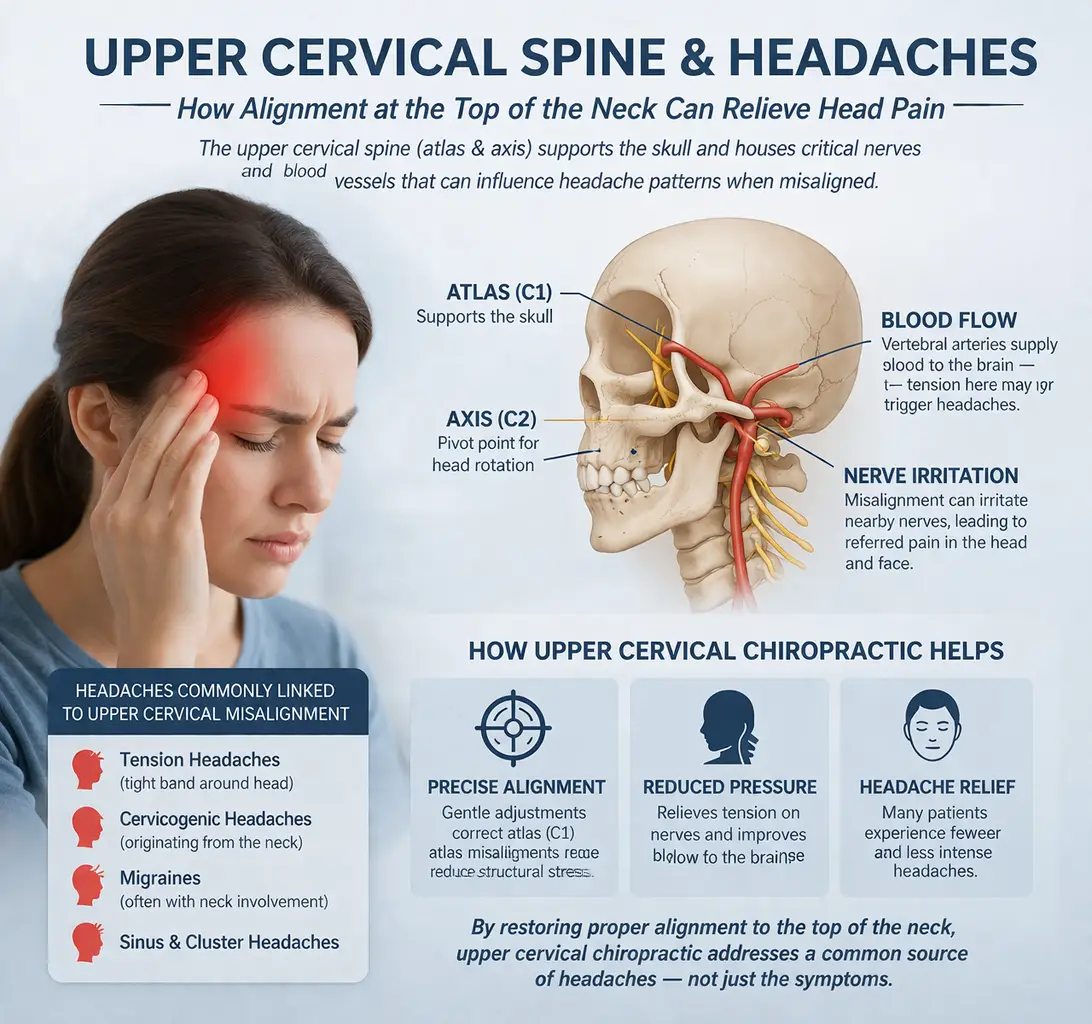
- Occiput (base of the skull)
- Atlas (C1) — the top vertebra that supports the skull
- Axis (C2) — the second vertebra, designed for rotation
- A complex web of ligaments that stabilize and guide movement
The upper cervical spine is different from the rest of the spine. It’s designed for precision and protection. The atlas has a unique shape and functions like a balancing ring beneath the skull. The axis contains a peg-like structure (dens) that allows your head to rotate smoothly. And together, these bones protect the delicate transition from brain to body — the brainstem and upper spinal cord.
When the ligaments that stabilize this region are strained, lax, injured, or overwhelmed — or when alignment becomes distorted — the head can shift, rotate, or translate in a way that irritates neurological structures and disrupts the normal function of the nervous system.
That’s CCI in its simplest form:
The top of the neck can’t consistently support the head in a stable, neurologically healthy position.
Why the Craniocervical Junction Matters So Much
If the upper neck were just another set of joints, CCI would “just” be mechanical. But it’s not.
This region is one of the most neurologically significant areas in the entire body because it contains or influences:
- The brainstem (autonomic control center)
- The upper spinal cord
- The vertebral arteries (blood flow to the brain)
- The vagus nerve pathways and autonomic nervous system regulation
- Many cranial nerves and sensory feedback pathways
- The proprioceptive system (your brain’s ability to know where your body is in space)
This is why symptoms from CCI can look like:
- A balance disorder
- A migraine disorder
- A neck injury
- A vestibular condition
- A nervous system dysregulation issue
…and often, it’s a combination.
What Causes Craniocervical Instability?
CCI can develop in a few key ways. Many people think it has to be something extreme, but that’s not always true. The upper neck can be affected by both big trauma and small repetitive stress.
1) Whiplash and Car Accidents
Whiplash is one of the most common causes of upper cervical dysfunction. Even “minor” accidents can create significant forces at the head-neck junction. The head whips forward and backward while the body is restrained — and the ligaments that stabilize C1/C2 can be strained.
A common pattern:
- Accident → neck pain resolves “enough” → months later dizziness or migraines start
- Or symptoms show up immediately and never fully clear
2) Concussions and Falls
Falls, sports injuries, and concussions can injure the upper neck even when the main complaint is “head symptoms.” Many people rehab the concussion but never address the upper cervical component.
3) Hypermobility / Connective Tissue Laxity
Some individuals have looser connective tissue. This can allow excessive movement at the craniocervical junction and make the nervous system more sensitive to misalignment.
4) Posture and Chronic Forward Head Position
Years of forward head posture can place chronic stress on the upper neck and surrounding tissues. Over time, this can contribute to dysfunction and instability patterns — even without a dramatic injury.
5) Repetitive Microtrauma
Think: long hours at a desk, poor sleep posture, high stress tension patterns, clenching, and sustained muscle guarding. The body adapts, but compensation has a cost.
Key Symptoms of Craniocervical Instability
CCI symptoms can vary widely. Some patients have primarily pain-based symptoms. Others have predominantly neurological symptoms. Many have both.
Below are three of the most common symptom categories — and how they connect to the upper neck.
CCI and Vertigo: Why the World Can Feel Like It’s Moving
Vertigo is not just “feeling dizzy.” True vertigo is a false sensation of motion — spinning, rocking, swaying, or the sense that your environment is shifting even when you are still.
Why CCI Can Trigger Vertigo
Your balance system relies on three major inputs:
- Inner ear (vestibular system)
- Vision (eyes)
- Proprioception (joint position feedback) — especially from the neck
The upper cervical spine is loaded with proprioceptive receptors. These receptors tell your brain where your head is positioned in space. When the atlas or axis is misaligned or unstable, those signals can become distorted.
That mismatch can create:
- Spinning sensations
- Rocking or boat-like dizziness
- Lightheadedness (often with standing)
- “Visual lag” or difficulty tracking movement
- Motion sensitivity in stores or while driving
- A sense of unsteadiness while walking
The Brainstem Connection
The brainstem integrates balance information. When the upper neck irritates or stresses brainstem pathways, it can amplify vestibular symptoms and make the entire system more reactive.
Why Some Vertigo Treatments Don’t Stick
Many people are told they have:
- BPPV
- “Inner ear crystals”
- Vestibular neuritis
- Vestibular migraine
Sometimes those diagnoses are accurate. But if the neck is a major driver, then treating only the ear or only the migraine pathway may not be enough.
When the upper cervical alignment is corrected and the neurological stress decreases, the brain can integrate balance input more efficiently — and vertigo often reduces.
CCI and Migraines: When Neck Instability Becomes a Neurological Storm
Migraines are a complex neurological event, not just a headache. They can include:
- Throbbing head pain
- Pressure behind the eyes
- Nausea
- Light sensitivity
- Sound sensitivity
- Visual aura
- Neck tension
- Fatigue and hangover-like aftermath
How CCI Can Trigger Migraines
There are several mechanisms:
1) Upper Cervical Nerve Irritation
The upper neck shares pathways with the trigeminal system involved in migraine patterns. When the upper cervical joints are irritated or misaligned, it can set off inflammatory and neurological cascades.
2) Dural Tension and Mechanical Stress
The dura (a protective covering around the brain and spinal cord) has attachments near the upper neck. Instability can increase tension, amplifying sensitivity.
3) Brainstem Dysregulation
The brainstem is involved in pain modulation, autonomic regulation, and sensory processing. CCI-related stress can make the nervous system hypersensitive, lowering your migraine threshold.
4) Blood Flow Dynamics
The vertebral arteries run through the upper cervical spine. When alignment is off, some people experience changes in blood flow dynamics or vascular irritation patterns that correlate with headache pressure, pulsatile sensations, or “head fullness.”
Migraine Patterns Commonly Linked to Upper Neck Issues
Many patients report:
- Migraines that start in the neck and climb upward
- Headaches that originate at the base of the skull
- Headaches triggered by posture, driving, or long computer work
- Migraines that began after whiplash or a concussion
When the upper cervical spine becomes more stable and aligned, the nervous system often becomes less reactive — and migraine patterns may ease in frequency and intensity.
CCI and Neck Pain: More Than Muscle Tightness
Neck pain from CCI can be unique because it often reflects instability rather than a simple strain.
People describe:
- A deep ache at the base of the skull
- A sense of heaviness, like the head is hard to hold up
- Tight traps and constant muscle guarding
- Pain that worsens with sitting or looking down
- Clicking, shifting, or “grinding” sensations
- Reduced range of motion or stiffness that returns quickly
Why Instability Creates Muscle Guarding
If the upper neck is unstable, the body tries to protect it. Muscles become hyperactive to create stability that ligaments are failing to provide. The problem is, muscles aren’t designed to stabilize permanently — so they fatigue and become painful.
Correcting the alignment and reducing abnormal motion can allow the body to stop over-guarding.
Why CCI Is Often Misdiagnosed or Missed
CCI is often missed for a few reasons:
- Most imaging is done in neutral positions
- Many providers aren’t trained to evaluate upper cervical biomechanics
- Symptoms often mimic migraines, vestibular disorders, or anxiety
- The issue can be functional — meaning it’s about movement and neurological stress patterns, not just a visible tear
This is why comprehensive evaluation matters — and why upper cervical specialists often find issues others miss.
What Is Upper Cervical Chiropractic Care?
Upper cervical chiropractic is a specialized approach that focuses only on the top two bones of the neck (C1 and C2)and their relationship to the skull and nervous system.
This matters because:
- The upper neck is mechanically and neurologically unique
- Small misalignments can create outsized effects
- Precision is required — this is not a “general adjustment” area
What Upper Cervical Care Is NOT
It is not:
- Full-spine twisting
- Cracking the neck repeatedly
- “Popping” multiple joints
- Aggressive manipulation
What Upper Cervical Care IS
It is:
- Precise, measured correction of misalignment
- Gentle adjustments designed to restore proper positioning
- A neurological approach aimed at improving function
- Focused on helping the body hold alignment so healing can occur
Why NeckWise Care at Lavender Family Chiropractic Is Different
At Lavender Family Chiropractic / NeckWise North Sarasota, upper cervical care is built on three pillars:
1) 3D CBCT Imaging
3D CBCT imaging allows your doctors to view the upper cervical region in detailed three-dimensional clarity. This helps identify:
- Atlas and axis rotation patterns
- Lateral shifts and asymmetry
- Structural relationships that standard X-rays can miss
- The exact correction vector needed for your specific anatomy
This is critical in cases involving suspected CCI because precision is non-negotiable.
2) Functional Nervous System Scans
In addition to structure, the clinic uses functional scans to track neurological stress and adaptation patterns. This provides objective feedback over time and helps confirm whether the body is stabilizing.
3) Gentle, Specific Corrections
NeckWise corrections are designed to be:
- Gentle
- Precise
- Repeatable
- Focused on long-term stability
The goal isn’t repeated adjustments. The goal is helping your body hold correction so the nervous system can calm down and the soft tissues can heal.
What to Expect at NeckWise North Sarasota
Patients typically experience a process such as:
- Consultation and symptom review
- 3D CBCT imaging to analyze alignment and structure
- Neurological scans to measure stress patterns
- A customized care plan designed around your unique misalignment pattern
- Progress tracking over time
Because CCI symptoms can be complex, objective measurement is crucial. When you’re dealing with vertigo or migraines, you need more than guesswork — you need a plan that is measurable.
Healing and CCI: What Real Progress Looks Like
For many patients, progress is not linear. Healing often occurs in layers.
Early changes may include:
- Less frequent vertigo episodes
- Reduced head pressure
- Improved sleep
- Less neck tightness
- Increased tolerance to screens, driving, or busy environments
Over time, many report:
- Migraine frequency decreases
- Dizziness becomes less intense and less reactive
- Neck pain becomes more stable and less “fragile”
- Energy improves and nervous system feels calmer
With stability-based issues, the goal is consistent improvement through a better-functioning foundation.
Top 15 FAQs About Craniocervical Instability, Vertigo, Migraines, and Upper Cervical Care
1) What is craniocervical instability in simple terms?
It’s when the skull and top neck joints don’t maintain stable, healthy alignment and motion, which can irritate the nervous system.
2) Can CCI cause vertigo even if my inner ear tests are normal?
Yes. Neck-based proprioceptive dysfunction can trigger vertigo-like symptoms even with normal ear testing.
3) Can CCI cause migraines?
Yes. Upper neck dysfunction can influence migraine pathways through nerve irritation, brainstem stress, and dural tension patterns.
4) Why do I feel pressure at the base of my skull?
That region is where upper cervical tension, nerve irritation, and mechanical stress commonly present.
5) Can whiplash cause CCI?
Yes. Whiplash can strain the ligaments that stabilize C1/C2.
6) What does “holding an adjustment” mean?
It means your upper cervical alignment stays corrected between visits, allowing your body to heal rather than constantly compensating.
7) Will upper cervical adjustments crack my neck?
No. NeckWise care is gentle and does not require twisting, yanking, or popping.
8) How do you know if the upper neck is misaligned?
3D CBCT imaging and assessment tools allow precise measurement of atlas/axis alignment.
9) Is upper cervical chiropractic safe for dizziness and migraines?
When performed with advanced imaging and precision protocols, it is considered one of the safest conservative approaches.
10) How long does it take to see improvement?
Some patients notice changes quickly; others improve gradually as stability and nervous system regulation return.
11) If I have hypermobility, can upper cervical care still help?
Yes. In hypermobility cases, precision and gentleness are especially important — and upper cervical care is often a key missing piece.
12) Can CCI cause brain fog?
It can. Brainstem stress and autonomic imbalance can contribute to cognitive symptoms.
13) Will I need adjustments forever?
The goal is long-term stability and healing, not dependence. Many people transition to less frequent visits as they hold correction.
14) Do you take insurance?
Our office is out of network with insurance. Many of our patients receive a superbill to submit to their insurance for reimbursement based on their coverage. We offer many different payment options as well as finance options.
15) Where can I get upper cervical care in Sarasota or Lakewood Ranch?
Lavender Family Chiropractic / NeckWise North Sarasota serves patients in Sarasota, Lakewood Ranch, and nearby communities looking for a root-cause approach to vertigo, migraines, and neck pain.
Serving Sarasota and Lakewood Ranch: A Root-Cause Option for Vertigo, Migraines, and Neck Pain
If you’re in Sarasota or Lakewood Ranch and you feel like you’ve tried everything — ENT visits, migraine meds, physical therapy, vestibular rehab, imaging that “doesn’t show anything,” and advice to “reduce stress” — it may be time to evaluate the structural and neurological foundation: the upper cervical spine.
Many patients are shocked to learn how often the top of the neck is involved, especially after trauma. But when the skull and atlas are not aligned properly, the nervous system has to function in a stressed, compensated state. That stress can show up as vertigo, migraines, and chronic neck pain — and it can persist until the cause is corrected.
Closing Thoughts: Stability at the Top Changes Everything
Craniocervical instability isn’t just an orthopedic problem. It’s often a neurological problem that creates symptoms far beyond the neck. Vertigo, migraines, and neck pain can be the body’s way of signaling that the brainstem and upper cervical region are under stress.
Upper cervical chiropractic care gives the body a chance to restore that foundation — gently, precisely, and with measurable data.
If you’re ready to explore a root-cause approach in Sarasota or Lakewood Ranch, Lavender Family Chiropractic / NeckWise North Sarasota offers a focused evaluation that looks at what most people never think to examine: the top two bones of the neck and how they affect the nervous system.
Schedule a Consultation
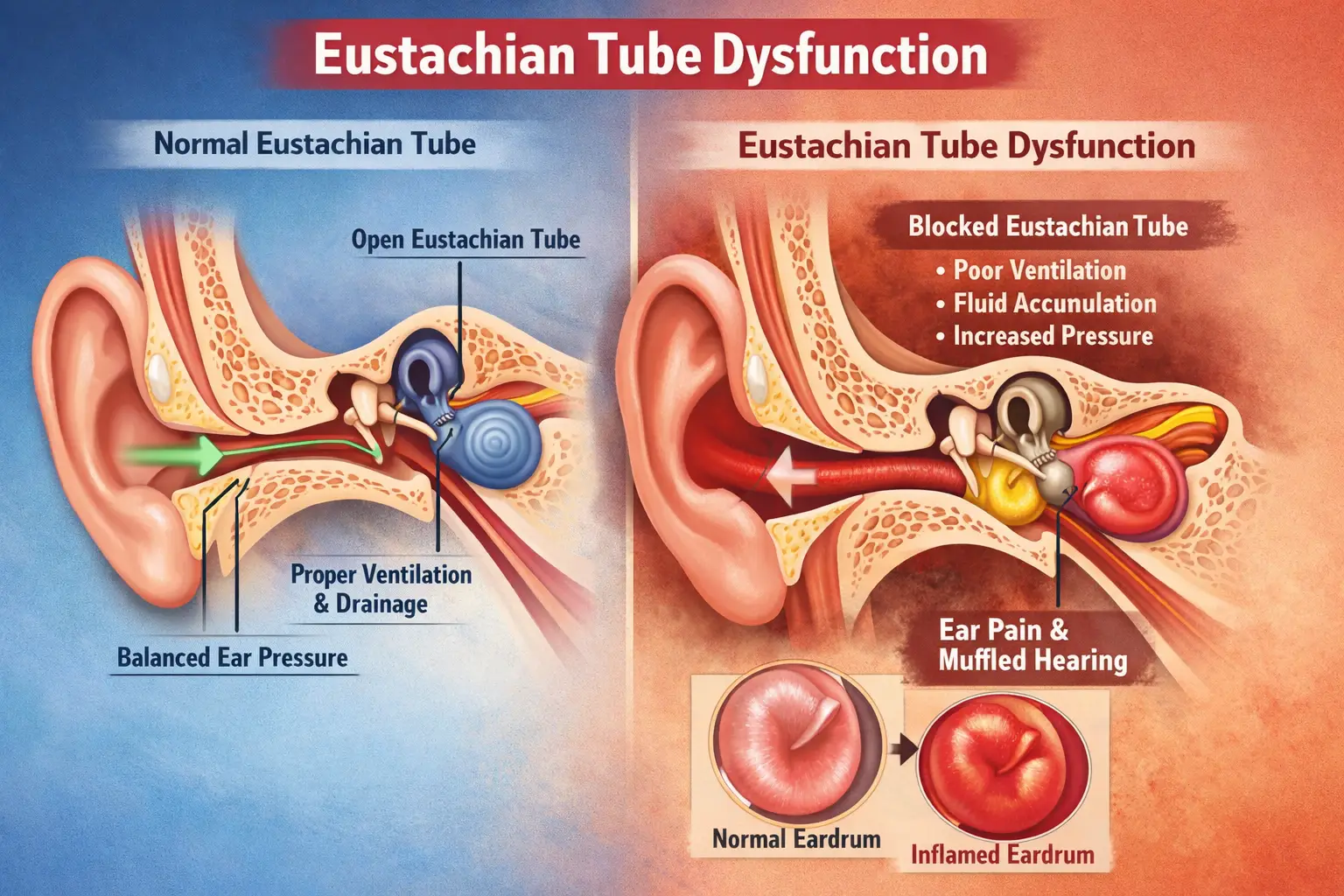
If you’re searching for a chiropractor sarasota florida, chiropractor near me, upper cervical chiropractor near me, or you’ve been looking for answers to ear pressure, dizziness, vertigo, headaches, and chronic congestion, we’re here to help.
Lavender Family Chiropractic (NeckWise North Sarasota)
5899 Whitfield Ave Ste 107, Sarasota, FL 34243
www.chiropractorsarasotaflorida.com
(941)243-3729
To learn more about us go to http://www.chiropractorsarasotaflorida.com
We also service Bradenton, Parrish, Ellenton, Ruskin, Venice, Tampa, St. Pete, Osprey, Longboat, Lakewood Ranch, Myakka City.
If you are in Tampa, Land O Lakes, Fort Myers, or Salt Lake City, you can visit my other locations! NeckWise Upper Cervical. Visit, www.neckwise.com
If you are not local, visit www.uccnearme.com to find a doctor in your area
Serving Sarasota, Bradenton, Lakewood Ranch, Parrish, Ellenton, Venice, Osprey, Siesta Key, Longboat Key, Lido Key, Myakka City, Punta Gorda, and St. Petersburg.