
How to Avoid Surgery with Upper Cervical Chiropractic Care at Lavender Family Chiropractic
By Dr. Rusty Lavender, D.C. — upper cervical chiropractor, Lavender Family Chiropractic, Sarasota, FL. Reviewed and updated October 2026.
Our complete guide to upper cervical chiropractic care in Sarasota explains what the top two vertebrae control, how we measure them with 3D imaging, and what a correction feels like.
You May be able to Avoid Surgery with Upper Cervical Chiropractic. For many people, the thought of surgery can be daunting. Whether it’s due to the risks, the long recovery process, or the potential for complications, it’s no wonder that patients seek alternatives. One such alternative is upper cervical chiropractic care, a natural, non-invasive treatment offered at Lavender Family Chiropractic in Sarasota, Florida. If you’re considering surgery for chronic pain, headaches, dizziness, or other conditions, you may be able to avoid it through this holistic approach.
At Lavender Family Chiropractic, we focus on correcting the root cause of many health issues by targeting misalignments in the upper cervical spine. This specialized area of chiropractic care has been shown to provide lasting relief from a variety of conditions that are often treated surgically, such as back pain, neck pain, and migraines. In this blog post, we’ll discuss how upper cervical chiropractic care can help you avoid surgery and improve your overall health.
Table of Contents
Understanding the Upper Cervical Spine: Why It’s So Important
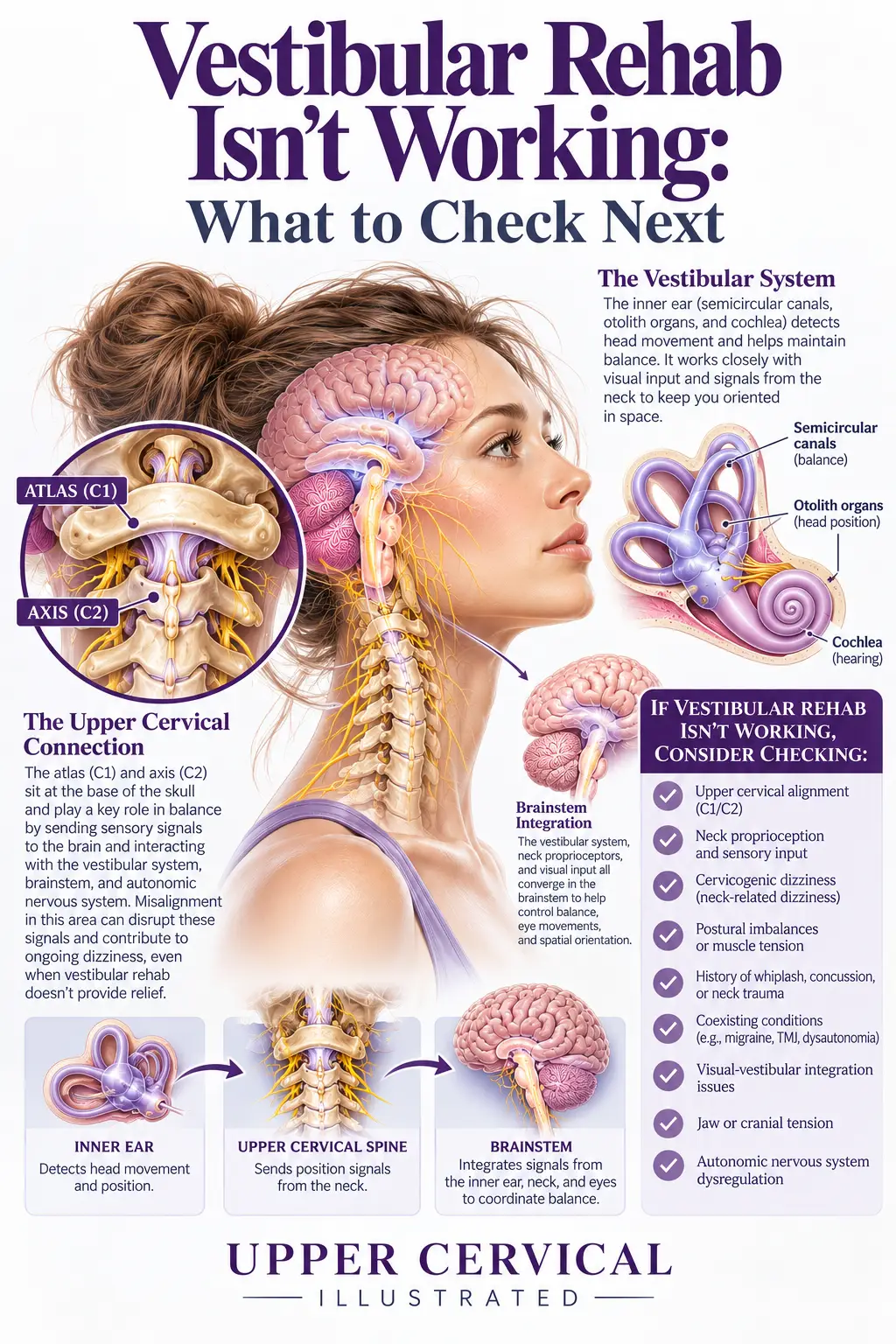
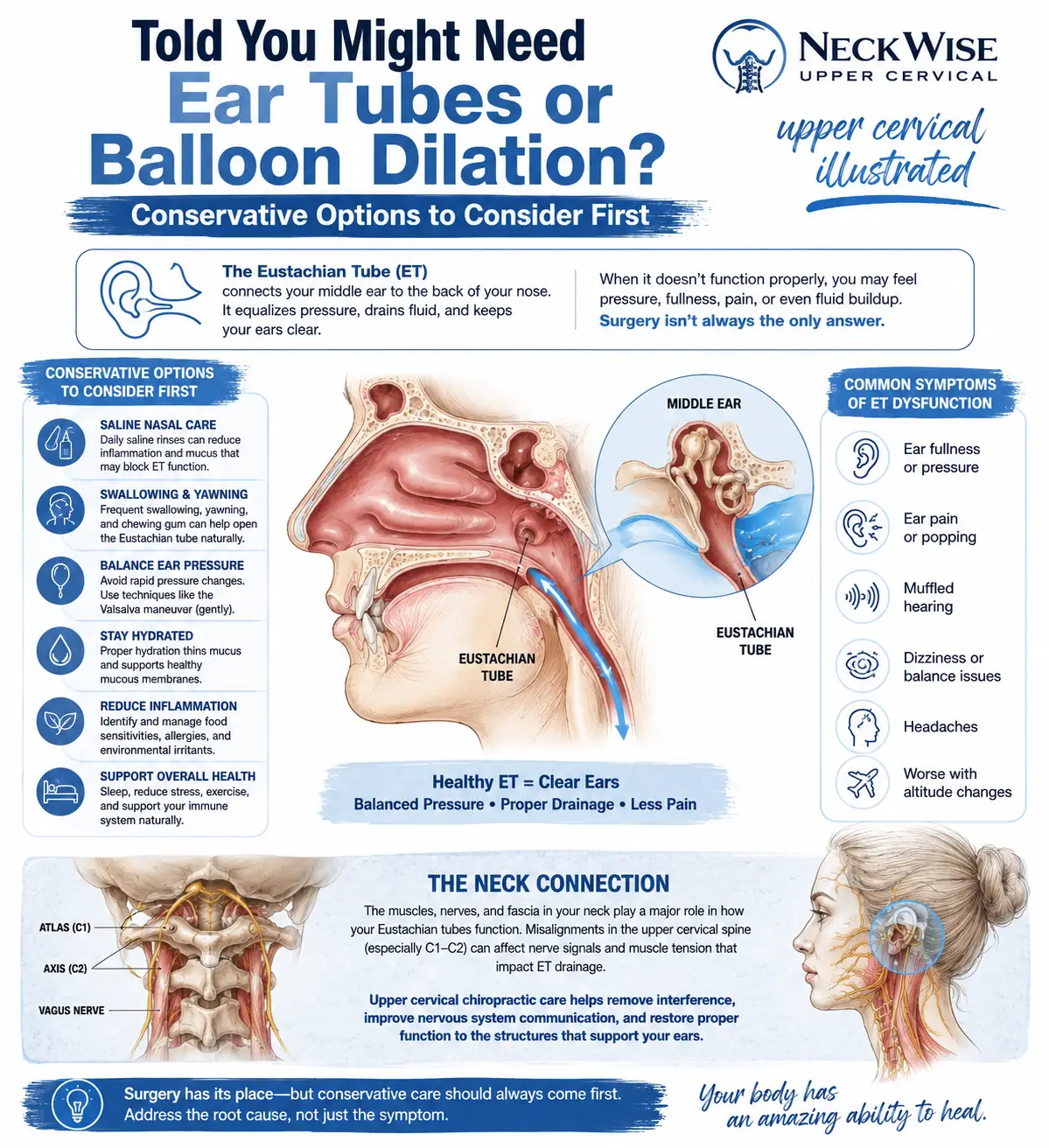
The upper cervical spine consists of the first two vertebrae, known as the atlas (C1) and axis (C2), which are located at the base of the skull. These vertebrae are unique because they allow the head to rotate and tilt, making them essential for maintaining posture and balance. More importantly, they protect the brainstem, a crucial part of the nervous system that controls many vital functions, such as breathing, heart rate, and balance.
When the upper cervical spine is misaligned, even slightly, it can have a profound effect on the body. This misalignment can disrupt communication between the brain and the rest of the body, leading to a wide range of health problems. Over time, these issues can become chronic, prompting some people to consider surgery as a solution.
Common Conditions That Lead to Surgery
There are several common health conditions that often lead people to consider surgery. While surgery may be necessary in some cases, it is not always the best or only option. Many of these conditions can be effectively treated with upper cervical chiropractic care, helping patients avoid the risks and long recovery associated with surgery.
- Chronic Back Pain: Chronic back pain is one of the leading causes of disability worldwide, and many people are told that surgery is the only way to relieve their pain. However, spinal surgery carries significant risks, including infection, nerve damage, and failed back surgery syndrome (FBSS). In many cases, back pain is caused by misalignments in the spine, which can be corrected with upper cervical chiropractic care.
- Neck Pain: Persistent neck pain can result from poor posture, injury, or degenerative conditions like cervical disc herniation. Surgery is often recommended to alleviate pressure on the spinal cord or nerves, but it can be invasive and risky. Upper cervical chiropractic adjustments can relieve this pressure by correcting misalignments in the upper cervical spine.
- Migraines and Headaches: For those suffering from debilitating migraines or chronic headaches, surgery might seem like a last resort. However, research shows that upper cervical chiropractic care can reduce the frequency and severity of migraines by addressing the root cause: misalignment in the upper cervical spine.
- Vertigo and Dizziness: Inner ear issues, brainstem compression, and misalignments in the upper cervical spine can cause vertigo and dizziness. While some patients are told that surgery is the only option, upper cervical chiropractic care can often resolve these symptoms naturally.
- Sciatica: Sciatica occurs when the sciatic nerve is compressed, often due to a herniated disc or spinal stenosis. Surgery may be recommended to relieve the compression, but upper cervical chiropractic care offers a non-invasive alternative by addressing the alignment of the spine.
Why Surgery Isn’t Always the Best Option
While surgery can be a life-saving procedure in some cases, it is important to understand that it also comes with significant risks. Here are some reasons why surgery should be considered a last resort:
- Risks and Complications: All surgeries carry some degree of risk, including infection, blood clots, and adverse reactions to anesthesia. In the case of spinal surgery, complications like nerve damage, paralysis, and chronic pain are also possible.
- Long Recovery Time: Surgery often requires a lengthy recovery period, during which patients may need to take time off work, limit physical activity, and attend physical therapy. Recovery can be particularly challenging for older adults or those with underlying health conditions.
- Potential for Recurrence: Even after surgery, there is no guarantee that the condition will not return. For example, spinal fusion surgery may lead to additional stress on adjacent vertebrae, causing future problems. This phenomenon is known as adjacent segment disease (ASD).
- High Costs: Surgery can be expensive, even with insurance coverage. Costs include not only the surgery itself but also hospital stays, follow-up appointments, and physical therapy.
Given these risks, many people are searching for safer, more natural alternatives to surgery. This is where upper cervical chiropractic care comes in.
How Upper Cervical Chiropractic Care Can Help You Avoid Surgery
Upper cervical chiropractic care focuses on the gentle, precise adjustment of the C1 and C2 vertebrae to restore alignment in the spine and improve overall nervous system function. Unlike traditional chiropractic techniques, which may involve more forceful manipulations, upper cervical care is highly specific and non-invasive, making it a safe alternative to surgery.
Here’s how upper cervical chiropractic care can help you avoid surgery:
1. Correcting Spinal Misalignments
Many of the conditions that lead to surgery, such as chronic pain, migraines, and sciatica, are caused by misalignments in the spine. These misalignments, particularly in the upper cervical region, can interfere with nerve function and cause pain, inflammation, and muscle tension.
Upper cervical chiropractic adjustments are designed to correct these misalignments, allowing the body to heal itself naturally. By restoring proper alignment, upper cervical care can alleviate the underlying cause of pain and dysfunction, making surgery unnecessary.
2. Reducing Inflammation and Nerve Compression
Spinal misalignments can lead to inflammation, which in turn puts pressure on nearby nerves, muscles, and tissues. This is particularly true in cases of sciatica or cervical disc herniation, where nerve compression is a common cause of pain.
Upper cervical chiropractic adjustments help reduce inflammation and relieve pressure on the nerves. This not only alleviates pain but also promotes long-term healing by improving circulation and reducing stress on the affected areas.
3. Improving Nervous System Function
The nervous system controls every function in the body, from movement to organ function. When the upper cervical spine is misaligned, it can disrupt communication between the brain and the body, leading to a variety of health issues.
Upper cervical chiropractic care improves nervous system function by removing interference caused by misaligned vertebrae. This allows the body to function more efficiently, reducing pain and inflammation and promoting natural healing.
4. Supporting the Body’s Natural Healing Process
One of the key principles of upper cervical chiropractic care is that the body has an innate ability to heal itself. By correcting spinal misalignments, upper cervical adjustments support the body’s natural healing process. This reduces the need for invasive procedures like surgery and helps patients achieve long-term health and wellness.
The Lavender Family Chiropractic Approach: A Holistic Alternative to Surgery
At Lavender Family Chiropractic, we take a holistic approach to health and wellness. Our goal is not just to relieve symptoms but to address the underlying cause of your condition, helping you avoid surgery and achieve lasting results.
1. Comprehensive Consultation and Diagnosis
Our approach begins with a thorough consultation and diagnosis. We take the time to understand your medical history, symptoms, and lifestyle to determine the root cause of your condition. We also use advanced diagnostic tools, such as digital X-rays and thermal scans, to assess the alignment of your spine and identify any areas of dysfunction.
2. Personalized Treatment Plan
Based on your diagnosis, we create a personalized treatment plan tailored to your specific needs. Our upper cervical adjustments are precise and gentle, ensuring a comfortable experience for every patient. We also provide ongoing care and support to help you achieve your health goals.
3. Ongoing Care and Support
We believe that health is a journey, and we are committed to supporting you every step of the way. In addition to upper cervical adjustments, we offer guidance on lifestyle changes, such as exercise, nutrition, and stress management, to help you maintain optimal health and avoid the need for surgery in the future.
Success Stories: Avoiding Surgery with Upper Cervical Care
Many patients at Lavender Family Chiropractic have been able to avoid surgery and achieve lasting relief through upper cervical care. Here are just a few examples:
- Laura, a patient suffering from chronic neck pain, was told she needed surgery to relieve pressure on her spinal cord. After receiving upper cervical adjustments, her pain significantly decreased, and she was able to avoid surgery altogether.
- James had been dealing with sciatica for years and was considering surgery to relieve the nerve compression in his lower back. After several months of upper cervical care, his symptoms improved to the point where surgery was no longer necessary.
These success stories are a testament to the power of upper cervical chiropractic care in helping patients avoid surgery and reclaim their health.
We also service Bradenton, Lakewood Ranch, Palmetto, Ruskin, Tampa, St. Pete, Ellington, Venice, Osprey, Myakka Village
What the Research Says About Avoiding Spine Surgery
Most neck and back problems do not need surgery, and the evidence for conservative care first is strong. In a randomized trial of recent-onset cervical radiculopathy, a pinched nerve in the neck, both a collar with rest and physiotherapy reduced arm and neck pain faster than wait-and-see over the first six weeks, and most patients improved over months without an operation (Kuijper et al., BMJ 2009). For chronic low back pain, a review of 47 trials found spinal manipulation produced improvement similar to recommended therapies such as exercise, with serious adverse events rare (Rubinstein et al., BMJ 2019). We should be clear that no study has tested whether upper cervical chiropractic prevents surgery; the evidence is that conservative care often makes the question moot.
Imaging deserves a word too, since scans often start the march toward an operating room. Neck pain is the fourth leading cause of disability, most cases are mechanical, and imaging findings correlate poorly with symptoms (Cohen, Mayo Clin Proc 2015). Ontario’s clinical practice guideline for neck pain favors manual therapy, exercise and patient education over passive modalities alone (Côté et al., Eur Spine J 2016). A randomized trial found spinal manipulation outperformed prescription medication for neck pain at 12 weeks with the advantage lasting a year (Bronfort et al., Ann Intern Med 2012). Upper cervical care fits in that conservative-first window: 3D imaging of the atlas, a correction matched to the images, and re-measurement before any bigger decision is made.
Frequently Asked Questions
Which conditions commonly lead people to consider neck or head surgery?
Cervical disc problems, occipital and trigeminal neuralgia, and TMJ disorders are the ones we see most. Each involves nerves or structures that run through or beside the upper cervical spine. Surgery is sometimes the right answer, and your surgeon makes that call. Before that step, it is worth knowing whether a misaligned atlas is contributing, because correcting the alignment addresses a cause that imaging of the lower neck or jaw alone does not examine. We measure it with cone-beam CT and thermography.
Why isn’t surgery always the only option?
Because the symptom and its source are not always in the same place. A disc may bulge because the atlas above it is misaligned and loading the spine unevenly. Neuralgia may persist because the trigeminocervical complex is being irritated from the upper neck. Jaw pain may track with head position. Upper cervical care addresses that structural input with a precise, low-force correction, measured before and after with thermography. Many patients notice enough change to revisit the surgical conversation with their surgeon, and results vary.
How does upper cervical care address disc, neuralgia, and TMJ problems?
The atlas sits at the junction of skull and spine, and its position influences the loading of every vertebra below it, the trigeminal pathways that serve the face and jaw, and the sympathetic fibers that pass through it. We measure its alignment on 3D CBCT, correct it with the Knee Chest technique with no twisting or cracking, and confirm nervous system regulation with thermography. We coordinate with surgeons, neurologists, and dentists, share imaging on request, and say so if the upper neck is not involved.
Should I cancel a scheduled surgery to try upper cervical care?
No. That decision belongs to you and your surgeon, and some cases do need surgery. What we offer is information: an evaluation shows whether the upper neck is contributing, and if it is, you and your surgeon can decide together how to sequence care. Many surgeons appreciate seeing the CBCT findings. We work alongside medical care, never in place of it. If the evaluation shows the upper neck is not involved, we tell you plainly.
Can someone from Lakewood Ranch get evaluated before deciding on surgery?
Yes. Our office is at 5899 Whitfield Avenue, Suite 107, Sarasota, at the corner of University Parkway and Whitfield, minutes from Lakewood Ranch, Bradenton, and University Park, and about thirty minutes from Venice. Bring your existing imaging and surgical consultation notes so we can coordinate. The evaluation includes thermography and 3D cone-beam CT of the upper cervical spine. We are cash-pay and out-of-network and provide superbills. Call (941) 243-3729 to schedule an evaluation.
Schedule With Us!
Lavender Family Chiropractic offers consultations to learn more about you. Click the link below!
https://intake.chirohd.com/new-patient-scheduling/724/lavender-family-chiropractic
Visit our Website!
To learn more about us go to http://www.chiropractorsarasotaflorida.com
Related Posts


Get our upper cervical articles first.