
POTS Treatment Sarasota: Holistic Care at Lavender Family Chiropractic
By Dr. Rusty Lavender, D.C. — upper cervical chiropractor, Lavender Family Chiropractic, Sarasota, FL. Reviewed and updated October 2026.
Our complete guide to POTS care in Sarasota covers the causes we see, the imaging we use, and what to expect at an evaluation.
POTS Treatment Sarasota: Postural Orthostatic Tachycardia Syndrome (POTS) is a complex and often debilitating condition that affects the autonomic nervous system, leading to a wide range of symptoms, including dizziness, fainting, and rapid heart rate upon standing. For those living with POTS in Sarasota, finding effective treatment can be a challenging journey. Lavender Family Chiropractic offers a holistic approach to managing POTS, providing patients with natural, non-invasive care that addresses the root causes of their symptoms. In this comprehensive guide, we will explore POTS, its impact on daily life, and how Lavender Family Chiropractic can help those suffering from this condition find relief.
Table of Contents
Understanding POTS Treatment Sarasota: A Complex Condition
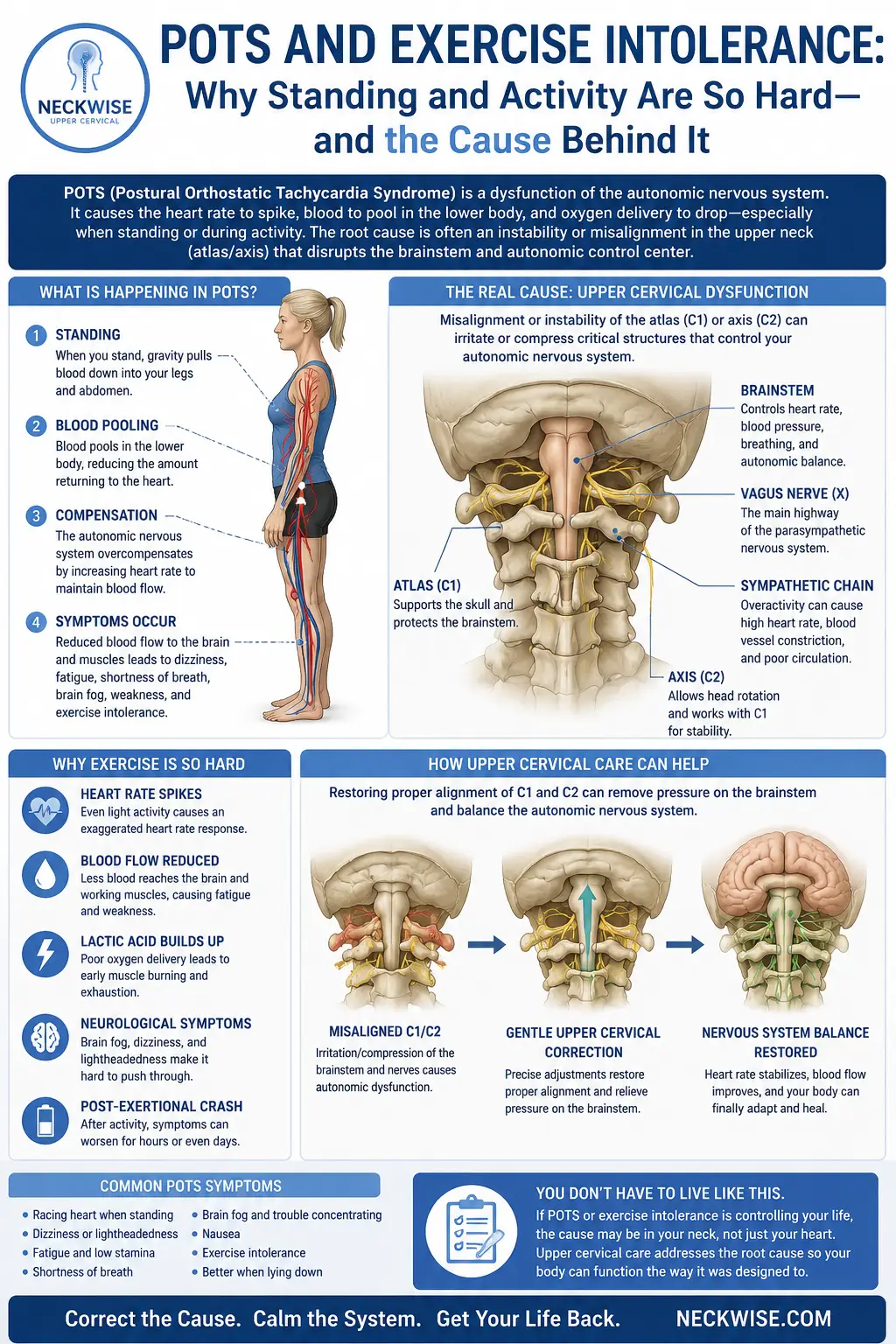
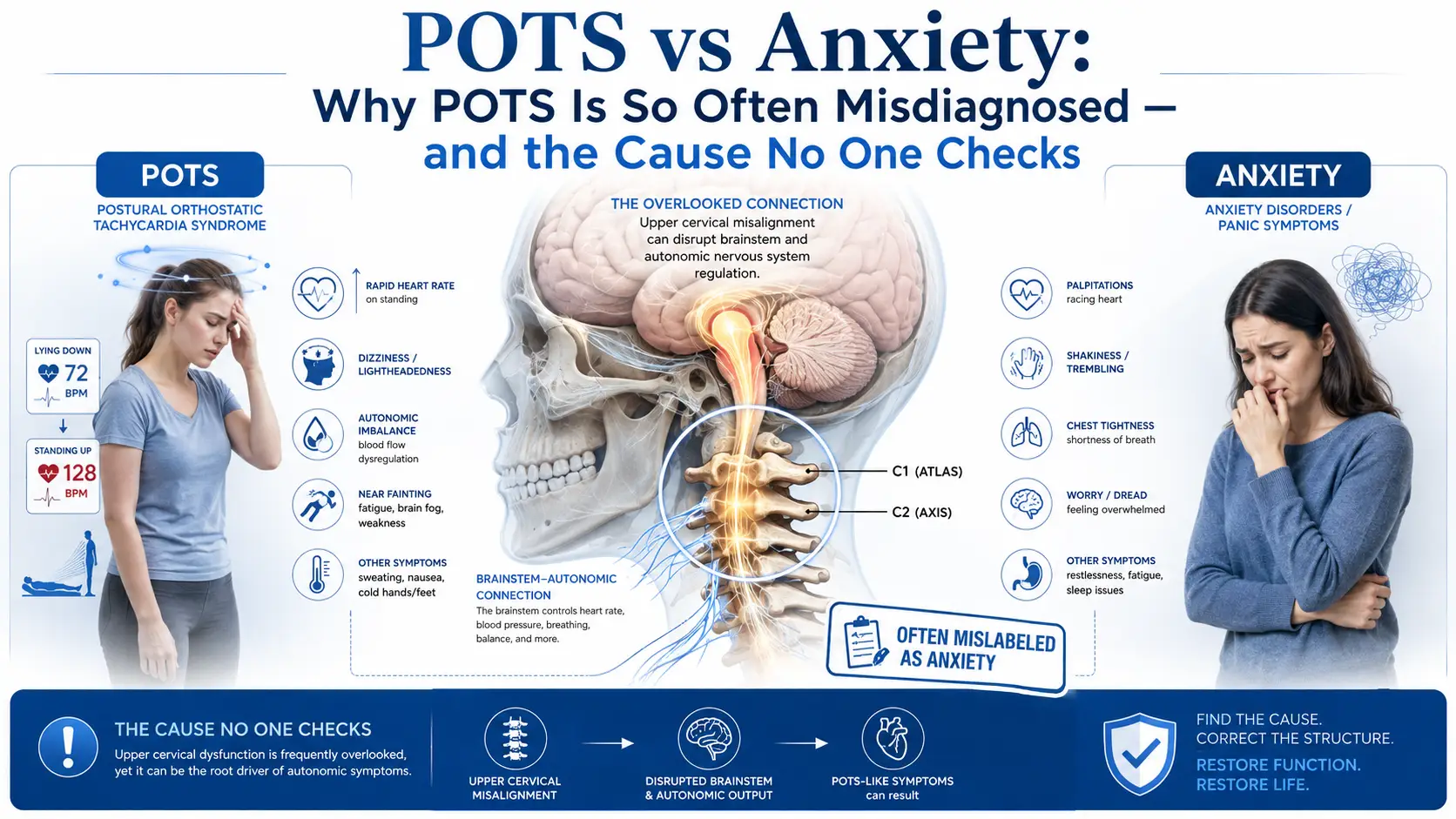
POTS is a form of dysautonomia, a disorder of the autonomic nervous system, which controls involuntary bodily functions such as heart rate, blood pressure, and digestion. Individuals with POTS experience an abnormal increase in heart rate when moving from a lying down to a standing position, often accompanied by a variety of other symptoms.
Common Symptoms of POTS
The symptoms of POTS can vary widely from person to person but commonly include:
- Rapid Heart Rate: An increase in heart rate of more than 30 beats per minute within 10 minutes of standing.
- Dizziness or Lightheadedness: Often leading to fainting or near-fainting episodes.
- Fatigue: Extreme tiredness that is not relieved by rest.
- Brain Fog: Difficulty concentrating, memory problems, and mental fatigue.
- Chest Pain: Discomfort or pain in the chest, often mistaken for heart problems.
- Shortness of Breath: Difficulty breathing, especially when standing or during physical activity.
- Nausea and Digestive Issues: Including bloating, constipation, and diarrhea.
- Cold or Discolored Extremities: Poor blood flow to the hands and feet, causing them to feel cold or turn bluish.
These symptoms can significantly impact a person’s quality of life, making it difficult to perform daily activities, work, or even enjoy social interactions.
Causes and Triggers of POTS
The exact cause of POTS is not fully understood, but several factors are believed to contribute to the development of the condition:
- Genetics: A family history of POTS or other forms of dysautonomia may increase the risk of developing the condition.
- Infections: Viral or bacterial infections can trigger POTS, particularly in individuals with a predisposition to autonomic dysfunction.
- Autoimmune Disorders: Conditions like lupus, rheumatoid arthritis, or Sjogren’s syndrome can lead to the development of POTS.
- Trauma or Surgery: Physical trauma, especially to the spine or head, or surgical procedures can trigger the onset of POTS.
- Hormonal Changes: Hormonal fluctuations, particularly in women, can exacerbate POTS symptoms.
Understanding the underlying causes and triggers of POTS is essential for developing an effective treatment plan.
Holistic POTS Treatment at Lavender Family Chiropractic
Lavender Family Chiropractic in Sarasota is dedicated to providing comprehensive, patient-centered care for individuals with POTS. The clinic’s approach is holistic, focusing on natural, non-invasive treatments that address the root causes of POTS and help patients manage their symptoms effectively.
Comprehensive Assessment and Diagnosis
The first step in treating POTS at Lavender Family Chiropractic is a thorough assessment and diagnosis. The chiropractic team takes the time to listen to the patient’s history, symptoms, and concerns, ensuring a comprehensive understanding of their condition. This detailed assessment may include a review of medical records, a physical examination, and specialized tests to evaluate autonomic function and spinal alignment.
Upper Cervical Chiropractic Care
One of the cornerstone treatments for POTS at Lavender Family Chiropractic is upper cervical chiropractic care. The upper cervical spine, which includes the atlas (C1) and axis (C2) vertebrae, plays a crucial role in the function of the autonomic nervous system. Misalignments in this area can interfere with nerve signals and contribute to the symptoms of POTS.
Upper cervical chiropractic adjustments are precise and gentle, focusing on correcting misalignments in the upper spine to restore proper nerve function. By addressing these misalignments, the treatment can help alleviate symptoms such as dizziness, fatigue, and rapid heart rate, providing significant relief for POTS patients.
Spinal Alignment and Nervous System Function
In addition to upper cervical care, Lavender Family Chiropractic emphasizes the importance of overall spinal alignment in maintaining healthy nervous system function. The spine is the central conduit for the nervous system, and misalignments in any part of the spine can lead to dysfunction in the autonomic nervous system.
Chiropractic adjustments throughout the spine help to restore proper alignment, improve blood flow, and enhance the communication between the brain and the body. This holistic approach supports the body’s natural healing processes, reducing the severity and frequency of POTS symptoms.
Supportive Therapies for POTS Management
Lavender Family Chiropractic’s approach to POTS treatment extends beyond chiropractic adjustments. The clinic offers a range of supportive therapies designed to complement the primary treatment and enhance overall well-being.
- Massage Therapy: Therapeutic massage can help improve circulation, reduce muscle tension, and promote relaxation, all of which are beneficial for POTS patients. Massage therapy can also help alleviate pain and discomfort associated with poor circulation and muscle fatigue.
- Nutritional Counseling: Proper nutrition is vital for managing POTS. Lavender Family Chiropractic provides nutritional counseling to help patients make dietary choices that support autonomic function, reduce inflammation, and maintain stable blood pressure levels. Specific recommendations may include increasing fluid and salt intake, eating small frequent meals, and avoiding foods that exacerbate symptoms.
- Physical Therapy and Exercise: Exercise can be challenging for POTS patients due to symptoms like dizziness and fatigue. However, a carefully designed exercise program can help improve cardiovascular fitness, muscle strength, and overall endurance. Lavender Family Chiropractic works with patients to develop personalized exercise plans that are safe and effective, helping them gradually increase their activity levels without worsening their symptoms.
- Lifestyle and Stress Management: Stress is a significant trigger for POTS symptoms. The clinic offers guidance on stress management techniques such as deep breathing exercises, meditation, and mindfulness practices. These techniques can help reduce the impact of stress on the body and improve autonomic function.
By integrating these supportive therapies into the treatment plan, Lavender Family Chiropractic provides a comprehensive approach that addresses all aspects of the patient’s health and well-being.
The Benefits of Chiropractic Care for POTS
Chiropractic care offers several unique benefits for individuals suffering from POTS. Unlike conventional treatments, which often focus on symptom management, chiropractic care aims to address the root cause of the condition and promote overall health.
Non-Invasive and Drug-Free Treatment
One of the most significant advantages of chiropractic care is its non-invasive nature. Chiropractic treatments do not involve surgery or medications, making them a safer option for many patients. This approach minimizes the risk of side effects and complications associated with more aggressive treatments.
Holistic Health Benefits
Chiropractic care promotes overall health by improving spinal alignment and nervous system function. This holistic approach can lead to a wide range of health benefits, including better sleep, increased energy levels, improved digestion, and enhanced mental clarity. For POTS patients, these improvements can significantly impact their quality of life.
Long-Term Symptom Relief
Chiropractic care aims to address the underlying causes of POTS, rather than just masking the symptoms. By correcting spinal misalignments and improving nerve function, chiropractic care can provide long-term relief from symptoms and reduce the likelihood of future flare-ups.
Patient Success Stories: POTS Treatment at Lavender Family Chiropractic
The effectiveness of POTS treatment at Lavender Family Chiropractic is reflected in the experiences of the patients who have found relief from their symptoms. Here are a few examples of how chiropractic care has made a difference in the lives of those living with POTS.
Case Study 1: Overcoming Chronic Fatigue and Dizziness
A Sarasota resident in her 40s sought treatment at Lavender Family Chiropractic after years of struggling with chronic fatigue and dizziness. She had been diagnosed with POTS and had tried various medications and therapies with limited success. The symptoms were affecting her ability to work and care for her family.
After a comprehensive evaluation at Lavender Family Chiropractic, the patient began a treatment plan that included upper cervical chiropractic adjustments, nutritional counseling, and stress management techniques. Within weeks, she noticed a significant reduction in fatigue and dizziness, and over time, her overall energy levels and quality of life improved dramatically.
Case Study 2: Managing POTS Symptoms Without Medication
A young man in his 20s came to Lavender Family Chiropractic after being diagnosed with POTS following a viral infection. He was experiencing rapid heart rate, shortness of breath, and frequent fainting episodes. Concerned about the side effects of medications, he was looking for a natural treatment option.
The chiropractic team at Lavender Family Chiropractic developed a holistic treatment plan that included spinal adjustments, massage therapy, and a personalized exercise program. The patient’s commitment to the treatment plan, combined with the expertise of the chiropractic team, led to a gradual improvement in his symptoms. He was able to manage his condition effectively without relying on medication.
Case Study 3: Finding Relief from POTS-Related Digestive Issues
A woman in her 30s came to Lavender Family Chiropractic with POTS and associated digestive issues, including nausea and bloating. She had been struggling with these symptoms for years and had tried various treatments without success.
Lavender Family Chiropractic’s team developed a treatment plan that included upper cervical adjustments, nutritional counseling, and lifestyle modifications. The chiropractic care helped to improve her autonomic function, leading to a reduction in digestive symptoms and an overall improvement in her health.
These patient success stories highlight the effectiveness of chiropractic care for POTS and demonstrate why Lavender Family Chiropractic is a top choice for treatment in Sarasota. For the complete picture of how we evaluate and address POTS, start with our main POTS treatment in Sarasota page.
What the Research Says About POTS and Whole-Person Care
Postural orthostatic tachycardia syndrome is diagnosed by a specific pattern: the heart rate climbs by 30 or more beats per minute (40 or more in teenagers aged 12 to 19) within 10 minutes of standing, blood pressure does not fall, and the symptoms have been present for at least three months (Sheldon et al., Heart Rhythm 2015). The symptom list reaches well beyond a racing heart. In one survey of POTS patients, about 96 percent reported brain fog, most often described as feeling forgetful, cloudy or unable to focus, with fatigue, standing and poor sleep as common triggers (Ross et al., Clin Auton Res 2013). Because several mechanisms can produce the same picture, an NIH consensus group recommends care that is individualized and drawn from more than one discipline (Vernino et al., Auton Neurosci 2021).
Where does the upper neck fit into a whole-person plan? Honestly, the direct evidence is early. A small study in healthy adults found that upper cervical manipulation was followed by heart-rate-variability changes consistent with a shift toward the parasympathetic side, while manipulation of the lower neck did not show the same pattern; the authors called the finding preliminary (Win et al., J Chiropr Med 2015). A separate review proposes that spinal manipulation works by changing how the central nervous system processes input from the spine, a plausible route by which the neck could influence autonomic tone (Haavik & Murphy, J Electromyogr Kinesiol 2012). Our role in a POTS team is to measure the atlas with 3D imaging, correct it precisely when it is misaligned, and re-image to confirm, so the neck is not an overlooked contributor.
Frequently Asked Questions
What is POTS and why is it so hard to manage?
Postural orthostatic tachycardia syndrome causes the heart rate to jump abnormally when standing, along with lightheadedness, fatigue, brain fog, and sometimes fainting. It is a disorder of the autonomic nervous system, the system that regulates heart rate, blood pressure, and blood flow automatically. Because the problem is in regulation rather than in the heart itself, standard cardiac tests are often normal, which is frustrating for patients looking for a clear answer.
What connects the upper neck to POTS symptoms?
The autonomic nervous system is coordinated in the brainstem, which sits directly inside the ring of the atlas. The vagus nerve exits the skull beside the atlas, and sympathetic fibers pass through the same region. When the atlas is misaligned, especially after a concussion, whiplash, or fall, which often precede POTS, those regulatory pathways can be irritated. 3D cone-beam CT shows the alignment, and thermography shows how the autonomic system is regulating.
What does upper cervical care do for POTS?
Correcting the atlas and axis with the Knee Chest technique removes structural interference around the brainstem. The correction is precise, low-force, and calculated from imaging, with no twisting or cracking. Paraspinal infrared thermography before and after each correction shows whether autonomic regulation has shifted toward balance, so results are confirmed rather than assumed. Many patients notice steadier energy and fewer episodes as alignment holds; results vary by person.
Will I keep working with my cardiologist or neurologist?
Yes. POTS diagnosis and medical management remain with your cardiologist or neurologist, and medication decisions stay with the prescriber. Serious cardiac causes should always be ruled out first. We work alongside that team, adding measurement of the upper cervical spine and nervous system regulation that the standard workup does not include. We coordinate with physicians and share imaging on request so everyone sees the same findings.
Do POTS patients from Lakewood Ranch and Bradenton come to your Sarasota office?
Yes. Our office at University Parkway and Whitfield is minutes from Lakewood Ranch, Bradenton, and University Park, and about thirty minutes from Venice. Because standing is difficult for many POTS patients, the evaluation is paced accordingly, and patients rest after each correction. Care plans are individual with no preset packages. Call (941) 243-3729 to schedule an evaluation.
Schedule With Us!
Lavender Family Chiropractic offers consultations to learn more about you. Click the link below!
https://intake.chirohd.com/new-patient-scheduling/724/lavender-family-chiropractic
Visit our Website!
To learn more about us go to https://chiropractorsarasotaflorida.com
We also service Bradenton, Lakewood Ranch, Palmetto, Ruskin, Tampa, St. Pete, Ellington, Venice, Osprey, Myakka Village



Get our upper cervical articles first.