
Understanding Tension Headaches: Causes, Symptoms, and Solutions
By Dr. Rusty Lavender, D.C. — upper cervical chiropractor, Lavender Family Chiropractic, Sarasota, FL. Reviewed and updated October 2026.
Our complete guide to headache care in Sarasota covers the causes we see, the imaging we use, and what to expect at an evaluation.
Tension headaches are among the most common types of headaches, affecting millions of people worldwide. Characterized by a dull, aching pain and tightness around the forehead, temples, or back of the head, these headaches can range from mild discomfort to severe, debilitating pain. While over-the-counter pain relievers may provide temporary relief, they often fail to address the root cause of the problem, leading to recurring episodes. For individuals seeking long-term relief and holistic solutions, chiropractic care—particularly upper cervical chiropractic—offers a promising alternative.
In this blog post, we will explore the causes and symptoms of tension headaches, delve into how upper cervical chiropractic care can help alleviate them, and highlight how Lavender Family Chiropractic in Sarasota specializes in providing effective, personalized care for tension headache sufferers.
What Are Tension Headaches?
Tension headaches, also known as stress headaches, are the most prevalent form of headache. They are typically caused by muscle tension, stress, or strain in the neck, shoulders, and head. Unlike migraines, tension headaches are not usually associated with nausea, vomiting, or sensitivity to light and sound. However, the persistent nature of tension headaches can significantly impact an individual’s quality of life.
Common Symptoms of Tension Headaches:
- A dull, aching pain or pressure around the head
- Tightness or stiffness in the neck and shoulders
- Tenderness in the scalp, neck, and shoulder muscles
- Difficulty concentrating
- Fatigue or general discomfort
Tension headaches are often episodic, occurring occasionally, but some individuals experience chronic tension headaches, which occur 15 or more days per month for at least three months.
What Causes Tension Headaches?
The exact cause of tension headaches is not always clear, but several factors are known to contribute to their development:
- Muscle Tension: Prolonged periods of sitting, poor posture, and repetitive movements can lead to tightness in the neck and shoulder muscles, triggering headaches.
- Stress: Emotional stress, anxiety, and mental fatigue can cause physical tension in the body, contributing to headache pain.
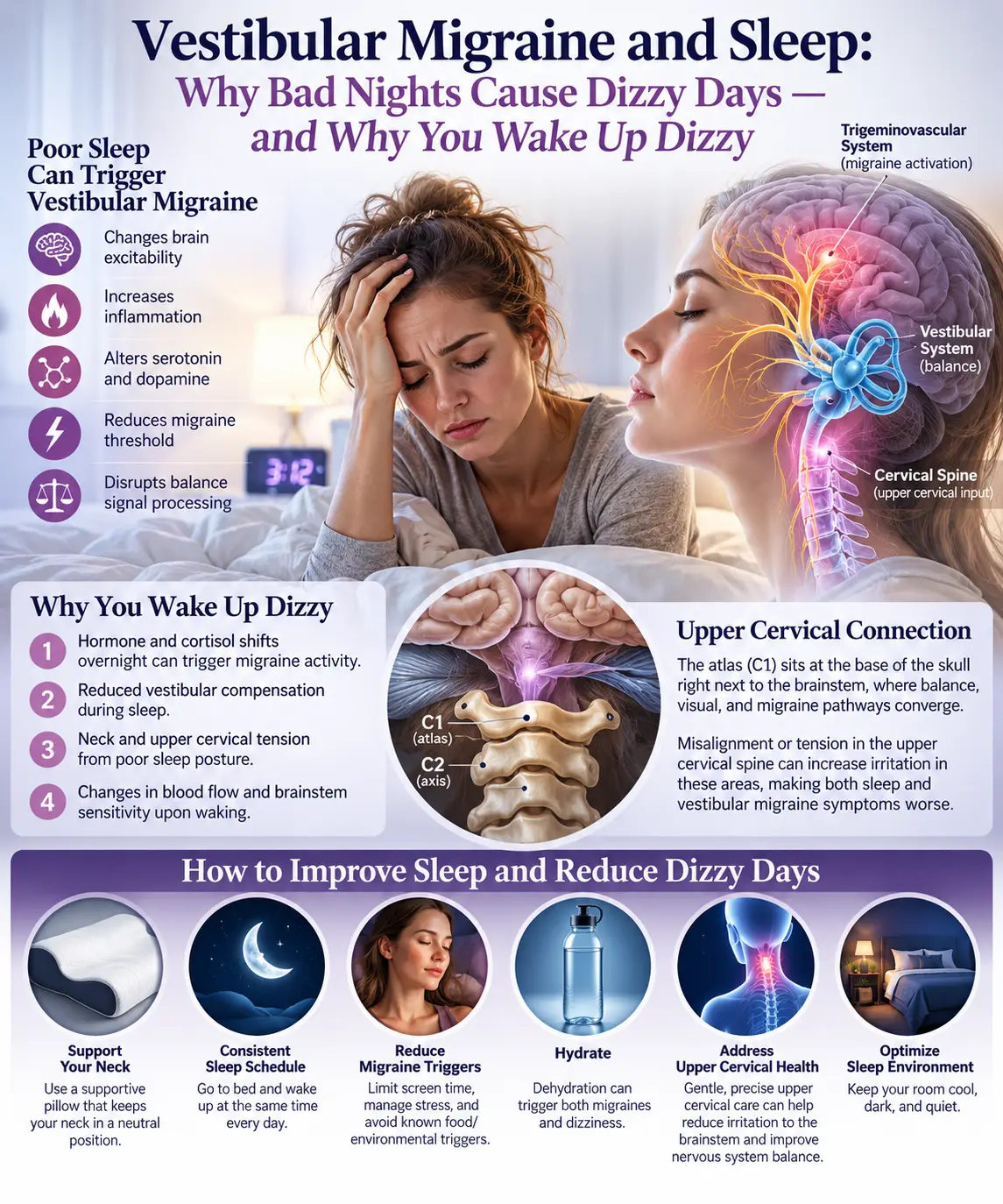
- Sleep Issues: Poor sleep quality, sleep deprivation, or sleeping in awkward positions can strain the neck and shoulders, leading to headaches.
- Dehydration: Inadequate hydration can cause muscle cramps and headaches.
- Jaw Clenching or Teeth Grinding: Tension in the jaw muscles can radiate to the head and neck, causing headaches.
- Underlying Structural Issues: Misalignments in the spine, particularly in the upper cervical region, can contribute to tension headaches by affecting nerve function and blood flow.
Traditional Treatments for Tension Headaches
Conventional treatment methods for tension headaches often focus on symptom relief rather than addressing the underlying causes. These methods may include:
- Over-the-counter pain relievers such as ibuprofen or acetaminophen
- Prescription medications for chronic tension headaches
- Physical therapy and massage
- Relaxation techniques, such as deep breathing and meditation
While these approaches may provide temporary relief, they may not prevent the recurrence of tension headaches or resolve the root issues causing the discomfort.
How Upper Cervical Chiropractic Care Can Help
Upper cervical chiropractic care is a specialized form of chiropractic treatment that focuses on the alignment of the atlas (C1) and axis (C2) vertebrae at the top of the spine. These two vertebrae play a crucial role in supporting the head, protecting the brainstem, and facilitating nerve communication between the brain and the rest of the body.
The Connection Between Upper Cervical Alignment and Tension Headaches
Misalignments in the upper cervical spine, known as subluxations, can create a ripple effect throughout the body. These misalignments can lead to:
- Muscle Imbalances: When the atlas and axis are out of alignment, the surrounding muscles compensate to stabilize the head, resulting in tension and discomfort in the neck, shoulders, and scalp.
- Nerve Irritation: Subluxations can compress or irritate nerves in the upper cervical spine, disrupting normal nerve function and potentially causing headaches.
- Restricted Blood Flow: Misalignments can impede blood flow to the brain, contributing to headache symptoms.
By addressing these underlying issues, upper cervical chiropractic care offers a holistic solution to tension headaches, aiming to restore proper alignment and promote the body’s natural ability to heal itself. For the complete picture of tension, cervicogenic, and occipital headaches, see our guide to headache treatment in Sarasota.
The Lavender Family Chiropractic Approach
Lavender Family Chiropractic, located in Sarasota, specializes in upper cervical chiropractic care and has a proven track record of helping patients find relief from tension headaches. Their patient-centered approach ensures that each individual receives personalized care tailored to their specific needs and health goals.
Comprehensive Assessment
The first step in addressing tension headaches at Lavender Family Chiropractic is a thorough evaluation. This includes:
- Detailed Health History: Understanding the patient’s medical history, lifestyle, and headache patterns to identify potential triggers and contributing factors.
- Physical Examination: Assessing posture, muscle tension, and range of motion to pinpoint areas of concern.
- Advanced Imaging: Utilizing state-of-the-art diagnostic tools, such as digital X-rays or 3D imaging, to precisely evaluate the alignment of the upper cervical spine.
Customized Care Plan
Based on the assessment, the team at Lavender Family Chiropractic creates a personalized care plan designed to address the root causes of tension headaches. This plan may include:
- Gentle Adjustments: Upper cervical adjustments are precise and gentle, ensuring optimal alignment without forceful manipulations. These adjustments help reduce muscle tension, restore nerve function, and improve blood flow.
- Postural Training: Education on proper posture and ergonomics to minimize strain on the neck and shoulders during daily activities.
- Lifestyle Recommendations: Guidance on stress management techniques, hydration, nutrition, and sleep hygiene to support overall well-being and prevent future headaches.
Ongoing Support and Monitoring
At Lavender Family Chiropractic, care does not stop after the initial adjustments. The team provides ongoing support and regular check-ins to monitor progress, make necessary adjustments to the care plan, and ensure long-term relief from tension headaches.
The Role of Stress and Lifestyle in Tension Headaches
One of the key contributors to tension headaches is stress. The modern lifestyle often involves high levels of stress due to work demands, family responsibilities, and constant digital connectivity. Chronic stress not only affects mental health but also manifests physically, often leading to muscle tension and headaches.
Understanding how to manage stress effectively is a crucial component of preventing and managing tension headaches. Lavender Family Chiropractic emphasizes the importance of integrating stress-reduction techniques into your daily routine. These may include:
- Mindfulness and Meditation: Practicing mindfulness helps calm the mind and relax the body, reducing the physical tension associated with stress.
- Physical Activity: Regular exercise promotes blood circulation, reduces muscle stiffness, and releases endorphins that act as natural painkillers.
- Adequate Sleep: Ensuring quality sleep allows the body to recover and repair, reducing the likelihood of tension headaches.
- Ergonomic Workspaces: Proper desk setup and posture during work hours can minimize strain on the neck and shoulders, reducing headache triggers.
Success Stories: Real Results from Upper Cervical Care
Many patients at Lavender Family Chiropractic have experienced significant improvements in their quality of life after seeking care for tension headaches. Here are a few examples:
- Sarah’s Story: A busy professional, Sarah struggled with chronic tension headaches for years. After just a few weeks of upper cervical adjustments, she noticed a dramatic reduction in the frequency and intensity of her headaches. With continued care, Sarah has been headache-free for months.
- John’s Journey: As an avid runner, John’s poor posture and muscle tension often triggered debilitating headaches. Through a combination of upper cervical adjustments and postural training at Lavender Family Chiropractic, John has regained his active lifestyle without the burden of recurring headaches.
- Emily’s Experience: Emily, a college student, suffered from tension headaches due to long hours of studying and poor sleep habits. With a personalized care plan, including gentle adjustments and lifestyle recommendations, Emily has achieved lasting relief and improved focus.
Why Choose Lavender Family Chiropractic?
Lavender Family Chiropractic stands out for its commitment to excellence and patient-centered care. Here’s why patients trust them for tension headache relief:
- Specialized Expertise: As upper cervical chiropractic specialists, the team has advanced training and experience in addressing headaches and related issues.
- Holistic Approach: They focus on treating the root cause of the problem, not just the symptoms, ensuring long-lasting results.
- Compassionate Care: The team is dedicated to creating a warm, welcoming environment where patients feel heard and supported.
- Convenient Location: Located in Sarasota, Lavender Family Chiropractic offers accessible care for residents and visitors alike.
Taking a Holistic Approach to Headache Relief
While upper cervical chiropractic care is highly effective, it is most successful when integrated with a holistic approach to health. Lavender Family Chiropractic empowers patients by educating them about the importance of maintaining a balanced lifestyle. This includes proper nutrition, hydration, and regular physical activity.
For example, certain dietary deficiencies, such as low magnesium levels, can contribute to muscle tension and headaches. Lavender Family Chiropractic may recommend incorporating magnesium-rich foods like leafy greens, nuts, and whole grains into your diet. Similarly, staying hydrated throughout the day can prevent dehydration-related headaches.
Take the First Step Toward Relief
If you’re tired of living with tension headaches and seeking a natural, effective solution, upper cervical chiropractic care at Lavender Family Chiropractic may be the answer. With their expertise and personalized approach, you can achieve lasting relief and reclaim your life free from the burden of headaches.
Schedule your consultation today and discover how Lavender Family Chiropractic can help you on your journey to better health and well-being. Don’t let tension headaches control your life—take the first step toward a pain-free future!
Schedule With Us!
Lavender Family Chiropractic offers complimentary consultations to learn more about you. Click the link below!
https://intake.chirohd.com/new-patient-scheduling/724/lavender-family-chiropractic
Visit our Website!
To learn more about us go to http://www.chiropractorsarasotaflorida.com
We also service Bradenton, Lakewood Ranch, Palmetto, Ruskin, Tampa, St. Pete, Ellington, Venice, Osprey, Myakka Village
Table of Contents
What the Research Says About Tension Headaches and Posture
Tension headaches are the most familiar kind of head pain, a dull pressure across the forehead or the back of the head that builds through the day. The research points squarely at the neck and posture. Compared with headache-free controls, people with episodic tension-type headache had more active trigger points, less neck mobility and greater forward head posture (Fernández-de-las-Peñas et al., Headache 2007). That forward head position is not trivial: a biomechanical model estimates the load on the cervical spine rises from about 10 to 12 pounds in neutral to roughly 27 pounds at 15 degrees of forward flexion and 60 pounds at 60 degrees (Hansraj, Surg Technol Int 2014). Hours at a screen in that position ask a lot of the small muscles at the base of the skull.
What helps? For tension-type headache specifically, the 2011 evidence-based guideline considers the evidence weaker than for migraine and recommends low-load craniocervical mobilization, a gentle approach to the upper neck (Bryans et al., J Manipulative Physiol Ther 2011). An earlier systematic review found spinal manipulation comparable to amitriptyline for tension-type headache prevention in the trials it reviewed (Bronfort et al., J Manipulative Physiol Ther 2001). One proposed reason manual care helps is that it changes sensorimotor integration, the way the central nervous system processes input from the spine (Haavik & Murphy, J Electromyogr Kinesiol 2012). Upper cervical care fits the gentle, targeted model the guideline describes. We image the atlas in 3D, deliver a correction matched to those images, and re-measure, while also working with you on the posture habits that keep reloading the neck.
Frequently Asked Questions
Why would a tension headache start in the upper neck?
Tension headaches often involve the muscles and nerves at the base of the skull. The upper neck feeds the trigeminocervical complex, the brainstem region that generates most headache pain. When the atlas is misaligned, the surrounding muscles tighten to stabilize the head, and the irritated upper cervical nerves feed that same complex. The result is the familiar band of pressure around the head. Correcting the atlas addresses the alignment driving that tension rather than only the symptom.
How is upper cervical care different from massage or stretching for tension headaches?
Massage and stretching work on the muscles, which can feel good but does not change why those muscles keep tightening. We look at the structure underneath. A 3D cone-beam CT shows the exact position of the atlas and axis, and the Knee Chest correction is calculated from that image. Once the alignment is corrected, the muscles have less reason to guard. Thermography before and after each correction confirms the nervous system is responding.
Should I stop taking pain relievers if I start upper cervical care?
That decision belongs to you and your prescribing physician, not to us. Frequent use of over-the-counter pain relievers can itself contribute to headaches, which is worth discussing with your doctor. Our role is to correct the upper cervical alignment and measure how your body responds. Many patients notice that as the neck holds its correction, they reach for medication less often. We track that alongside your thermography readings. Results vary by person.
Can stress-related tension headaches still be helped by atlas correction?
Yes. Stress tightens the neck and shoulder muscles, and a misaligned atlas makes that tightening worse because the body is already working harder to balance the head. Correcting the atlas lowers the baseline strain, so stress has less to amplify. We cannot remove stress from your life, but we can measure whether your nervous system is regulating more evenly with thermography and correct the alignment so your neck is not the weak point.
What happens at a tension headache evaluation at your Sarasota office?
We take a thorough history of your headache pattern, including where it starts, what triggers it, and what you have tried. Then we image the upper cervical spine with cone-beam CT and scan with paraspinal thermography. If the findings point to the upper neck, we explain them and begin an individual care plan. If they do not, we say so and refer you. We are located at 5899 Whitfield Avenue, Sarasota. Call (941) 243-3729 to schedule an evaluation.
Get our upper cervical articles first.
Patients Experience