Understanding the Vagus Nerve
The Vagus Nerve: The human body depends on an intricate communication network between the brain and the rest of the body. One of the most important pathways in that communication system is the vagus nerve. This nerve is responsible for regulating many of the automatic functions that keep us alive and functioning normally.
When the vagus nerve is healthy and functioning properly, the body can regulate heart rate, digestion, immune responses, breathing patterns, inflammation levels, and emotional balance. However, when the vagus nerve becomes irritated or dysfunctional, symptoms can appear throughout the body.
Many people experiencing unexplained neurological symptoms, dizziness, digestive issues, anxiety, heart palpitations, and chronic fatigue may actually be dealing with some level of vagus nerve dysfunction. Unfortunately, this problem is frequently misunderstood or misdiagnosed because the symptoms can involve so many different systems.
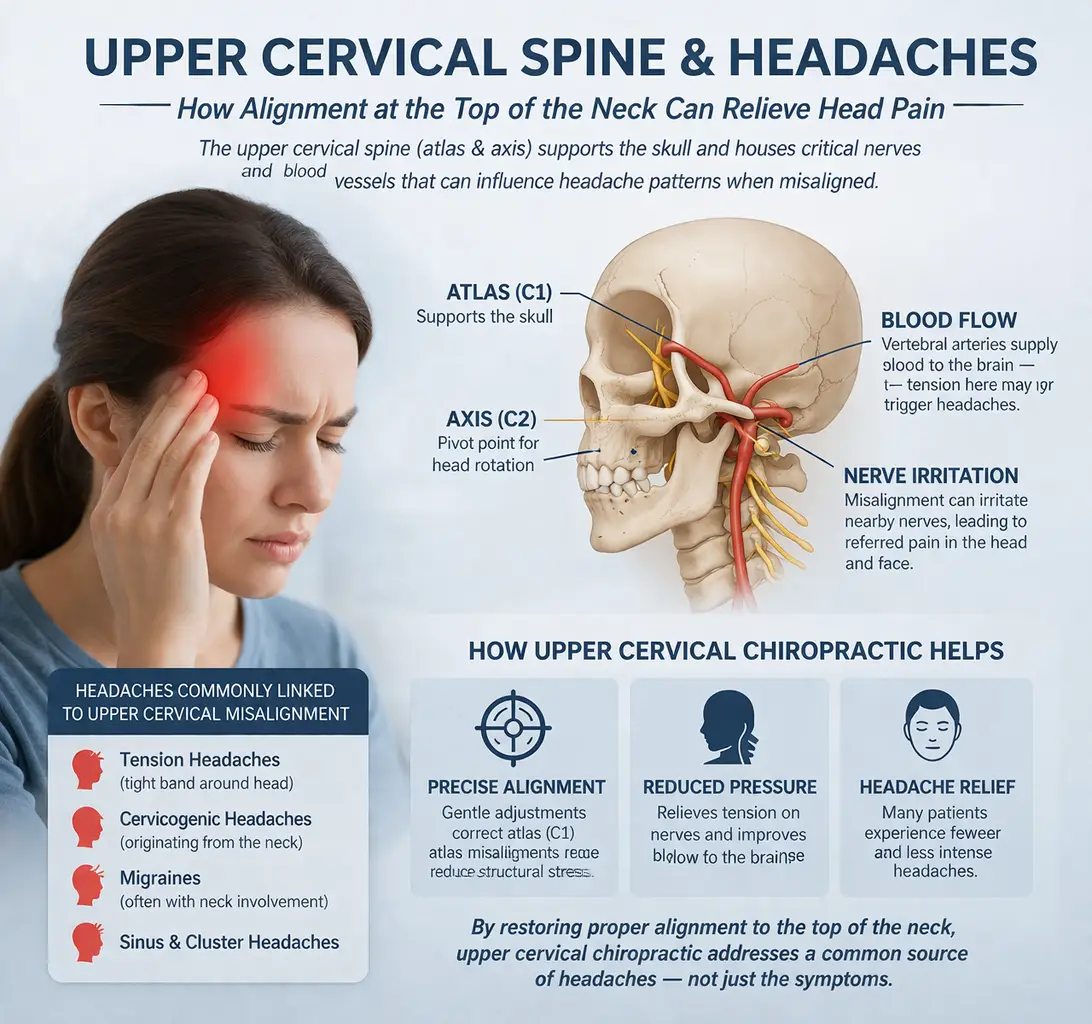
One of the most overlooked causes of vagus nerve irritation is structural dysfunction in the upper neck. The region where the skull meets the upper cervical spine is known as the craniocervical junction. When misalignment or instability occurs in this area, it can create stress on the brainstem and nearby cranial nerves, including the vagus nerve.
This is why structural evaluation of the upper cervical spine has become an important area of interest for patients struggling with chronic neurological symptoms.
At Lavender Family Chiropractic powered by NeckWise North Sarasota in Sarasota, Florida, specialized upper cervical chiropractic care focuses on restoring proper alignment to the craniocervical junction so the nervous system can function optimally.
What Is the Vagus Nerve?
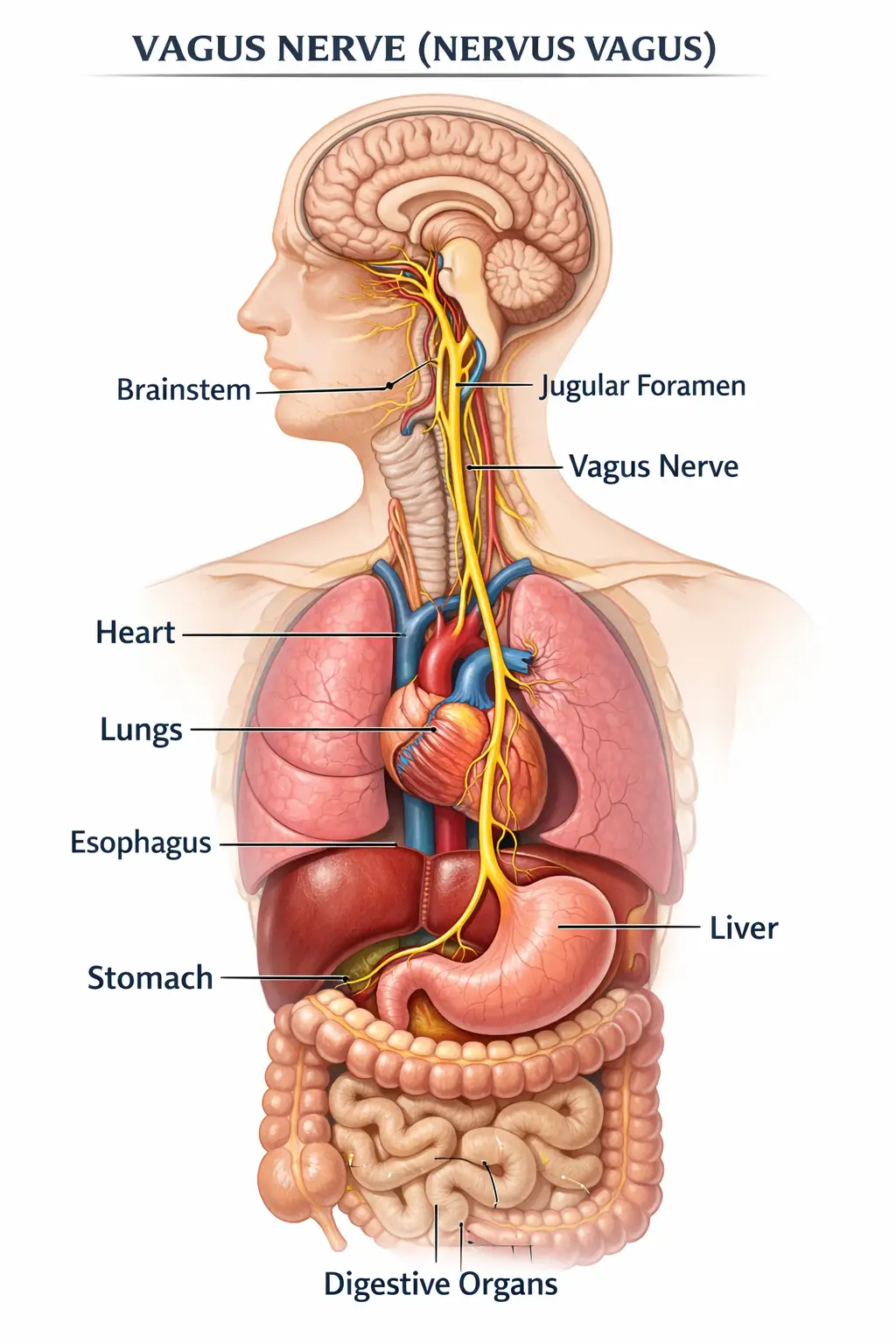
The vagus nerve is the tenth cranial nerve, also known as Cranial Nerve X. It originates in the brainstem and travels down through the neck into the chest and abdomen. The name “vagus” comes from the Latin word meaning “wandering,” which accurately describes its path throughout the body.
Unlike many nerves that only serve one region, the vagus nerve connects the brain to multiple organs and body systems.
These include:
• The heart
• The lungs
• The stomach
• The liver
• The pancreas
• The spleen
• The intestines
• The vocal cords
Because it influences so many organs, the vagus nerve plays a critical role in maintaining balance within the body. It serves as a major communication pathway between the brain and internal organs.
When signals through the vagus nerve are disrupted, the body can experience widespread dysfunction.
The Role of the Vagus Nerve in the Autonomic Nervous System
The vagus nerve is the primary driver of the parasympathetic nervous system. The autonomic nervous system is divided into two major branches:
• Sympathetic nervous system (fight or flight)
• Parasympathetic nervous system (rest and digest)
The parasympathetic system helps the body relax, recover, and repair itself. The vagus nerve plays a major role in activating this calming response.
Healthy vagus nerve function supports:
• Slower heart rate
• Improved digestion
• Reduced inflammation
• Balanced immune function
• Relaxation and emotional stability
• Healthy breathing patterns
When vagus nerve function is reduced or disrupted, the body can become stuck in a chronic stress response. This leads to excessive activation of the sympathetic nervous system.
Over time, this imbalance may contribute to chronic illness and neurological symptoms.
Symptoms of Vagus Nerve Dysfunction
Because the vagus nerve influences so many organs and systems, vagus nerve dysfunction can cause a wide range of symptoms.
Many patients spend years searching for answers because the symptoms appear unrelated. However, they may actually share a common neurological origin.
Common symptoms of vagus nerve dysfunction include:
Neurological Symptoms
• Brain fog
• Dizziness
• Vertigo
• Migraines
• Chronic headaches
• Light sensitivity
• Difficulty concentrating
• Memory problems
Cardiovascular Symptoms
• Heart palpitations
• Irregular heart rhythms
• Blood pressure instability
• Episodes of fainting
• POTS (Postural Orthostatic Tachycardia Syndrome)
Digestive Symptoms
• Acid reflux
• Bloating
• Gastroparesis
• Constipation
• Nausea
• Difficulty swallowing
Respiratory Symptoms
• Shortness of breath
• Chronic coughing
• Hoarseness
• Voice fatigue
Emotional and Mental Health Symptoms
• Anxiety
• Panic attacks
• Depression
• Difficulty relaxing
• Poor stress tolerance
Other Common Symptoms
• Chronic fatigue
• Temperature regulation issues
• Immune dysfunction
• Sleep disturbances
Because vagus nerve dysfunction can affect so many systems, many patients are told their symptoms are unrelated or unexplained. However, understanding the neurological pathways involved can reveal important clues.
The Craniocervical Junction
The craniocervical junction is the region where the skull meets the upper cervical spine. This area includes three critical structures:
• The occiput (base of the skull)
• The atlas vertebra (C1)
• The axis vertebra (C2)
This region is one of the most neurologically important areas of the entire body.
The following structures pass through or near this area:
• The brainstem
• The spinal cord
• Major blood vessels supplying the brain
• Multiple cranial nerves including the vagus nerve
Because so many vital neurological structures pass through this region, even small structural misalignments may create neurological stress.
Craniocervical Instability
Craniocervical instability occurs when the ligaments that stabilize the skull and upper cervical spine become weakened or damaged. When this happens, the skull and the atlas vertebra may move excessively relative to each other.
This instability can place mechanical stress on the brainstem and surrounding neurological structures.
Common causes of craniocervical instability include:
• Whiplash injuries
• Car accidents
• Concussions
• Sports injuries
• Connective tissue disorders
• Chronic postural stress
When instability occurs, abnormal motion at the craniocervical junction can irritate the brainstem and cranial nerves. Because the vagus nerve originates from the brainstem, it may become affected.
This may contribute to symptoms involving the heart, digestion, breathing, and neurological function.
Upper Cervical Misalignment and Brainstem Stress
The atlas vertebra is uniquely shaped and allows a large amount of movement. While this mobility is necessary for head movement, it also makes the atlas more susceptible to misalignment.
When the atlas shifts out of its normal position, it can create stress on surrounding structures.
Possible consequences of atlas misalignment include:
• Brainstem irritation
• Altered cerebrospinal fluid flow
• Nervous system imbalance
• Reduced blood flow to the brain
• Increased muscle tension
When the brainstem becomes irritated, communication between the brain and the body can become disrupted.
Because the vagus nerve originates in the brainstem, irritation in this region may interfere with vagal signaling.
Conditions Associated with Vagus Nerve Dysfunction
Many chronic conditions have been linked to dysfunction of the vagus nerve or the autonomic nervous system.
These may include:
• POTS (Postural Orthostatic Tachycardia Syndrome)
• Chronic fatigue syndrome
• Fibromyalgia
• Migraines
• Vertigo and dizziness
• Anxiety disorders
• Digestive disorders
• Autoimmune conditions
In many of these conditions, treatment often focuses on symptom management rather than addressing underlying neurological imbalance.
Evaluating the structural integrity of the craniocervical junction may provide an important piece of the puzzle.
Understanding Upper Cervical Chiropractic Care
Upper cervical chiropractic is a specialized form of chiropractic care that focuses on the top two bones of the neck, known as the atlas (C1) and axis (C2). These vertebrae form the craniocervical junction, which is the critical area where the skull meets the spine. This region is one of the most neurologically important areas of the entire body because it surrounds and protects the brainstem.
The brainstem is responsible for controlling many of the automatic functions that keep the body alive and functioning. These functions include breathing, heart rate regulation, blood pressure control, digestion, balance, and communication with the vagus nerve. Because the vagus nerve originates in the brainstem and exits the skull near the upper cervical spine, structural problems in this region may contribute to vagus nerve irritation and dysfunction.
Unlike the rest of the spine, the atlas vertebra has a unique ring-like shape and allows a significant amount of head movement. While this mobility is important for normal neck function, it also makes the atlas more vulnerable to misalignment. Even small shifts in the atlas can alter the alignment of the craniocervical junction and place stress on the brainstem, spinal cord, and surrounding nerves.
Upper cervical chiropractors specialize in identifying and correcting these subtle misalignments. Rather than performing generalized spinal adjustments, upper cervical chiropractic focuses specifically on restoring precise alignment to the atlas and axis vertebrae.
One of the most important aspects of upper cervical care is advanced imaging. At Lavender Family Chiropractic powered by NeckWise North Sarasota, doctors use 3D CBCT imaging to evaluate the exact alignment of the skull and upper cervical spine. This technology provides highly detailed images that allow doctors to measure misalignments with extreme precision. These measurements are then used to design a personalized correction specific to each patient.
Upper cervical adjustments are very different from traditional chiropractic adjustments. There is no twisting, cracking, or forceful manipulation of the spine. Instead, the correction is extremely gentle and precise. The goal is to restore proper alignment so the body can maintain that correction and allow the nervous system to function normally.
When the craniocervical junction is aligned properly, pressure on the brainstem and surrounding neurological structures may be reduced. This can allow the nervous system to regulate itself more effectively, which may lead to improvements in symptoms associated with vagus nerve dysfunction and autonomic nervous system imbalance.
Another important component of upper cervical chiropractic care is nervous system monitoring. Many upper cervical offices use paraspinal infrared thermography scans to evaluate nervous system activity along the spine. These scans measure heat patterns along the spine that reflect how the nervous system is functioning. Changes in these patterns may indicate stress or imbalance in the nervous system.
By combining advanced imaging, gentle corrections, and ongoing nervous system monitoring, upper cervical chiropractic care focuses on correcting the root cause of neurological dysfunction rather than simply managing symptoms.
For patients experiencing symptoms such as migraines, dizziness, vertigo, brain fog, digestive issues, or POTS, evaluation of the upper cervical spine may reveal structural problems contributing to nervous system imbalance.
At Lavender Family Chiropractic powered by NeckWise North Sarasota in Sarasota, Florida, upper cervical chiropractic care is designed to restore alignment to the craniocervical junction so the body can heal and function at its highest level.Advanced Imaging with 3D CBCT
One of the most important tools used in modern upper cervical chiropractic care is 3D CBCT imaging.
Cone Beam CT imaging allows doctors to evaluate the alignment of the upper cervical spine in extremely high detail.
This technology provides three-dimensional views of the skull and atlas vertebra, allowing doctors to detect subtle misalignments that may not be visible on standard x-rays.
Precise imaging allows for highly accurate correction plans tailored to each individual patient.
Functional Nervous System Scanning
At Lavender Family Chiropractic powered by NeckWise North Sarasota, functional nervous system scans may also be used to monitor nervous system activity.
One of the tools used for this purpose is paraspinal infrared thermography.
This scan evaluates temperature patterns along the spine that reflect nervous system function.
Changes in these patterns can indicate stress or imbalance within the nervous system.
Monitoring these scans over time allows doctors to track how the nervous system responds to upper cervical corrections.
Gentle Precision Adjustments
Upper cervical chiropractic adjustments are extremely gentle.
There is no twisting, cracking, or aggressive manipulation.
Instead, a precise correction is delivered to the atlas vertebra based on the patient’s specific misalignment pattern.
The goal is not to repeatedly manipulate the spine, but rather to restore alignment and allow the body to hold that correction.
When alignment is maintained, the nervous system can begin to stabilize.
Why Addressing the Root Cause Matters
Many conventional treatments for vagus nerve dysfunction focus primarily on symptom management.
Examples may include:
• Medications
• Vagus nerve stimulators
• Dietary changes
• Stress management techniques
While these approaches may provide temporary relief for some patients, they may not address structural problems affecting the brainstem or craniocervical junction.
If upper cervical misalignment is contributing to neurological stress, correcting the structural problem may allow the nervous system to function more normally.
This is why upper cervical chiropractic focuses on identifying and correcting the root cause rather than simply masking symptoms.
Symptoms Patients Often Experience Improvement In
Patients receiving upper cervical chiropractic care frequently report improvements in symptoms such as:
• Migraines
• Vertigo
• Dizziness
• Brain fog
• Neck pain
• Digestive issues
• Anxiety
• Fatigue
• Balance problems
Because the nervous system controls every organ in the body, restoring neurological balance can have widespread effects.
Every patient is unique, but improvements in nervous system function can influence multiple systems simultaneously.
Lavender Family Chiropractic NeckWise North Sarasota
Lavender Family Chiropractic powered by NeckWise North Sarasota is a specialized upper cervical chiropractic office located in Sarasota, Florida.
The clinic focuses on helping patients suffering from complex neurological conditions by addressing structural problems in the craniocervical junction.
Patients travel from many surrounding communities including:
• Sarasota
• Lakewood Ranch
• Bradenton
• Venice
• Parrish
• Ellenton
• Longboat Key
• Siesta Key
The doctors at the clinic focus on identifying the root cause of neurological dysfunction rather than simply managing symptoms.
The practice is led by Dr. Rusty Lavender and Dr. Jacob Temple, who specialize in advanced upper cervical chiropractic techniques.
Why Patients Search for an Upper Cervical Chiropractor Near Me
Many patients searching online for answers to chronic neurological symptoms eventually begin looking for an upper cervical chiropractor near me.
This is because upper cervical chiropractic focuses on structural corrections in one of the most neurologically important regions of the body.
People searching for terms such as:
• chiropractor Sarasota Florida
• vertigo doctor near me
• migraine doctor near me
• upper cervical chiropractor near me
are often trying to find answers to symptoms that have not responded to traditional treatment approaches.
Upper cervical chiropractic provides a unique approach that focuses on the relationship between spinal alignment and nervous system function.
Top 15 FAQs About Vagus Nerve Dysfunction
1. What does the vagus nerve do?
The vagus nerve helps regulate heart rate, digestion, breathing, immune function, and emotional balance.
2. What causes vagus nerve dysfunction?
Possible causes include inflammation, infections, trauma, brainstem stress, and structural problems in the upper cervical spine.
3. Can neck problems affect the vagus nerve?
Yes. Because the vagus nerve exits the skull near the upper cervical spine, structural problems in this region may contribute to irritation.
4. What are symptoms of vagus nerve irritation?
Symptoms may include dizziness, digestive issues, heart palpitations, anxiety, and chronic fatigue.
5. Can vagus nerve dysfunction cause POTS?
Some researchers believe vagus nerve dysfunction may contribute to autonomic nervous system disorders such as POTS.
6. What is craniocervical instability?
Craniocervical instability refers to excessive movement between the skull and the upper cervical spine due to ligament weakness.
7. Can whiplash affect the vagus nerve?
Yes. Whiplash injuries can damage ligaments in the upper cervical spine and potentially affect the brainstem and surrounding nerves.
8. How is craniocervical instability diagnosed?
Diagnosis may involve MRI imaging, dynamic imaging, and structural evaluation of the upper cervical spine.
9. What is upper cervical chiropractic?
Upper cervical chiropractic focuses on correcting misalignments of the atlas and axis vertebrae.
10. Are upper cervical adjustments safe?
Upper cervical adjustments are extremely gentle and precise when performed by trained doctors.
11. Can upper cervical chiropractic help migraines?
Many migraine sufferers seek upper cervical chiropractic care to address neurological stress related to the upper neck.
12. Can this help vertigo and dizziness?
Upper cervical misalignment may affect brainstem function, which can influence balance and vestibular systems.
13. Do adjustments hurt?
Upper cervical adjustments are typically painless and extremely gentle.
14. How long does care take?
Every patient is different. Some notice improvements quickly, while others require longer care.
15. Where can I find an upper cervical chiropractor in Sarasota?
Lavender Family Chiropractic powered by NeckWise North Sarasota specializes in upper cervical chiropractic care for patients in Sarasota and surrounding communities.
Schedule a Consultation
Lavender Family Chiropractic (NeckWise North Sarasota)
5899 Whitfield Ave Ste 107, Sarasota, FL 34243
www.chiropractorsarasotaflorida.com
(941)243-3729
To learn more about us go to http://www.chiropractorsarasotaflorida.com
We also service Bradenton, Parrish, Ellenton, Ruskin, Venice, Tampa, St. Pete, Osprey, Longboat, Lakewood Ranch, Myakka City.
If you are in Tampa, Land O Lakes, Fort Myers, or Salt Lake City, you can visit my other locations! NeckWise Upper Cervical. Visit, www.neckwise.com
If you are not local, visit www.uccnearme.com to find a doctor in your area
Serving Sarasota, Bradenton, Lakewood Ranch, Parrish, Ellenton, Venice, Osprey, Siesta Key, Longboat Key, Lido Key, Myakka City, Punta Gorda, and St. Petersburg.
If you have been searching for a chiropractor near me in Lakewood Ranch who focuses on correction instead of temporary relief, we invite you to discover the difference of upper cervical chiropractic care.
Your neck supports your head. Your spine supports your life. When alignment is restored, your body functions better.
We look forward to serving you and your family.
Research
For more information, click here