
Top 10 Ways to Resolve Vertigo Naturally
Resolve Vertigo Naturally: Vertigo is one of the most misunderstood and frustrating conditions people experience. It is not just “feeling dizzy.” It is not simply standing up too fast. And for many people, it is not something that comes and goes without reason. Vertigo can feel like the world is spinning, tilting, swaying, bouncing, or lagging behind your movements. It can make simple tasks—walking, driving, grocery shopping, working on a computer, or rolling over in bed—feel overwhelming or even dangerous.
For some, vertigo arrives suddenly and disappears just as quickly. For others, it becomes chronic, lingering for months or years. Many people are told their tests are “normal,” their scans look “fine,” or that they simply need to learn to live with it. Others are prescribed medications that dull symptoms but never actually fix the problem.
If that sounds familiar, this article is for you.
This guide is intentionally long and thorough because vertigo is complex. You deserve a complete explanation—not another surface-level list of tips. You will learn ten natural ways to reduce vertigo and dizziness, why these methods often help but do not fully resolve the condition, and why correcting upper cervical misalignment is often the missing piece for lasting relief.
Most importantly, you will understand why people can do everything “right” and still struggle—and how a more precise approach can finally create real change.
What Vertigo Really Is (And Why It’s So Misunderstood): How to Resolve Vertigo Naturally
Vertigo is a neurological symptom, not a diagnosis. It is the brain’s response to conflicting information coming from the body’s balance systems.
Your sense of balance depends on three major systems constantly communicating with one another:
- The vestibular system (inner ear) – detects motion, head position, and acceleration
- The visual system (eyes) – tells your brain where you are in space
- The proprioceptive system (upper neck and joints) – sends position and movement feedback to the brainstem
Your brain compares input from all three systems every second. When the information matches, you feel grounded and stable. When the information does not match, vertigo occurs.
This is why vertigo can feel so unsettling. Your brain is receiving mixed signals and does not know which one to trust.
Why So Many Vertigo Treatments Fall Short
Most conventional vertigo care focuses on one system—usually the inner ear. While this can be appropriate in some cases, it completely ignores the role of the upper cervical spine and brainstem, which coordinate balance information from the entire body.
This is why people often experience:
- Temporary relief followed by relapse
- Improvement that plateaus
- Persistent dizziness despite “normal” test results
- Vertigo that worsens with neck tension or stress
Natural remedies can help calm symptoms, but if the communication system itself is distorted, symptoms tend to return.
Top 10 Ways to Resolve Vertigo Naturally
Each of the following strategies plays a valuable role in reducing vertigo. Many people notice meaningful improvements by implementing them. However, it is critical to understand what each method can and cannot do.
1. Correct Vitamin B12 Deficiency
Vitamin B12 is essential for healthy nerve function. It plays a major role in:
- Nerve signal transmission
- Brain health
- Balance and coordination
- Energy production
Low B12 levels can lead to:
- Dizziness
- Lightheadedness
- Poor balance
- Tingling or numbness
- Brain fog and fatigue
B12 deficiency is surprisingly common, especially in:
- Adults over 40
- People with digestive issues
- Those under chronic stress
- Individuals who eat little animal protein
Natural strategies include:
- Eating B12-rich foods such as eggs, wild-caught fish, grass-fed beef, and dairy
- Using methylated or sublingual B12 supplements
- Testing blood levels if vertigo persists
B12 can dramatically improve nerve health. However, if nerve irritation is caused by mechanical compression or misalignment in the upper cervical spine, B12 alone cannot correct it.
2. Use Ginger to Reduce Dizziness and Nausea
Ginger is one of the most widely used natural remedies for vertigo-related nausea. It helps by:
- Improving circulation
- Reducing inflammation
- Supporting the gut–brain connection
Because the brainstem controls both balance and digestion, vertigo often triggers nausea. Ginger can be especially helpful during flare-ups.
Ways to use ginger:
- Fresh ginger tea
- Ginger capsules
- Ginger chews
- Cooking with ginger regularly
Ginger can reduce symptom severity, but it does not address the neurological imbalance that causes vertigo.
3. Train the Eyes to Improve Balance Coordination
The eyes are deeply connected to the vestibular system. When eye movement and head movement are not coordinated, vertigo worsens.
Eye-training exercises can help retrain the brain, including:
- Gaze stabilization exercises
- Smooth pursuit tracking
- Reducing visual overload
- Limiting prolonged screen use
Vestibular rehabilitation often focuses on eye exercises because they can help the brain adapt.
However, adaptation is not correction. If the brainstem is irritated or compressed, the brain is constantly compensating instead of healing.
4. Improve Hydration and Electrolyte Balance
Dehydration can worsen vertigo by:
- Lowering blood pressure
- Reducing blood flow to the brain
- Increasing inner ear sensitivity
Helpful strategies include:
- Drinking water consistently throughout the day
- Adding electrolytes such as sodium, potassium, and magnesium
- Avoiding excessive caffeine and alcohol
Hydration supports nervous system function but does not fix miscommunication between the brain and balance organs.
5. Reduce Inflammation Through Nutrition
Inflammation sensitizes the nervous system and can amplify vertigo symptoms.
Common inflammatory triggers include:
- Processed sugars
- Seed oils
- Artificial additives
- Alcohol
Anti-inflammatory foods include:
- Omega-3 rich fish
- Leafy greens
- Berries
- Turmeric
- Olive oil
Nutrition creates a healthier internal environment, but it cannot realign the spine or restore neurological balance on its own.
6. Support the Neck Without Aggressive Stretching
The upper neck contains the highest density of balance receptors in the entire spine. Even small dysfunctions can disrupt balance signaling.
Helpful strategies include:
- Improving posture
- Gentle range-of-motion movements
- Avoiding aggressive stretching or self-cracking
⚠️ Forceful neck manipulation can worsen instability and vertigo.
Mobility is helpful only when alignment is correct.
7. Calm the Nervous System with Breathing Techniques
Vertigo and anxiety often fuel each other. The autonomic nervous system plays a major role in dizziness.
Breathing techniques can:
- Reduce sympathetic overdrive
- Improve vagal tone
- Calm dizziness-related panic
Helpful methods include:
- Slow nasal breathing
- Box breathing
- Extended exhale breathing
Breathing helps regulate symptoms but does not remove nerve interference.
8. Improve Sleep Quality and Neck Support
Poor sleep worsens vertigo by:
- Increasing inflammation
- Reducing brain recovery
- Heightening nervous system sensitivity
Natural sleep strategies include:
- A consistent sleep schedule
- A dark, cool sleeping environment
- A pillow that supports neutral neck alignment
Sleep is essential—but if the neck is misaligned, the nervous system remains stressed even during rest.
9. Avoid Triggering Positions Strategically
Certain movements commonly trigger vertigo:
- Rolling over in bed
- Looking upward
- Sudden head movements
Avoiding triggers can reduce flare-ups temporarily. However, long-term avoidance can weaken balance adaptation.
Avoidance manages symptoms—it does not resolve the cause.
10. Correct Upper Cervical Misalignment (The Missing Link)
This is the most overlooked and most important factor in chronic vertigo.
The upper cervical spine, specifically the atlas (C1) and axis (C2), surrounds and protects the brainstem. The brainstem controls:
- Balance
- Eye coordination
- Blood pressure
- Heart rate
- Inner ear communication
- Autonomic nervous system regulation
When the upper cervical spine becomes misaligned due to:
- Car accidents
- Whiplash injuries
- Falls
- Sports injuries
- Poor posture
It can create:
- Brainstem irritation
- Distorted balance signaling
- Reduced blood flow
- Nervous system imbalance
This explains why so many people try supplements, therapy, and medications with limited success.
Why Upper Cervical Chiropractic Is Different
Upper Cervical Chiropractic Care: A Focused Approach to Restoring Balance and Health
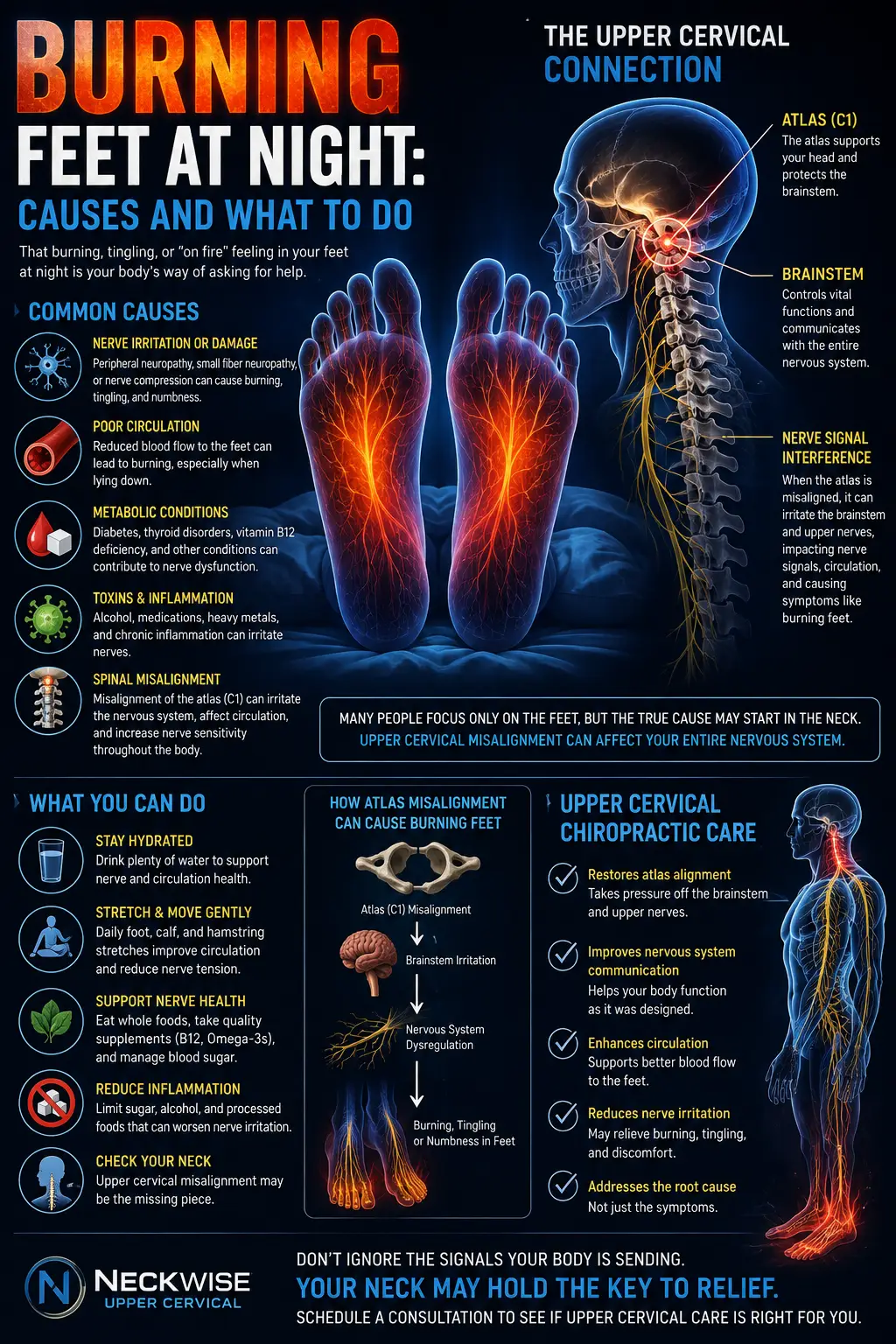
Upper cervical chiropractic care is a specialized form of chiropractic that focuses exclusively on the top two bones of the spine—the atlas (C1) and axis (C2). These vertebrae sit directly beneath the skull and play a critical role in supporting the head, protecting the brainstem, and facilitating communication between the brain and the rest of the body. Because of this unique anatomical and neurological importance, even subtle misalignments in the upper cervical spine can have far-reaching effects on health and wellbeing.
Unlike traditional chiropractic approaches that may involve adjusting multiple areas of the spine, upper cervical care is precise, gentle, and highly specific. The goal is not to “crack” or mobilize the entire spine, but to correct a specific misalignment at the top of the neck and allow the body to heal and regulate itself naturally.
Why the Upper Cervical Spine Matters
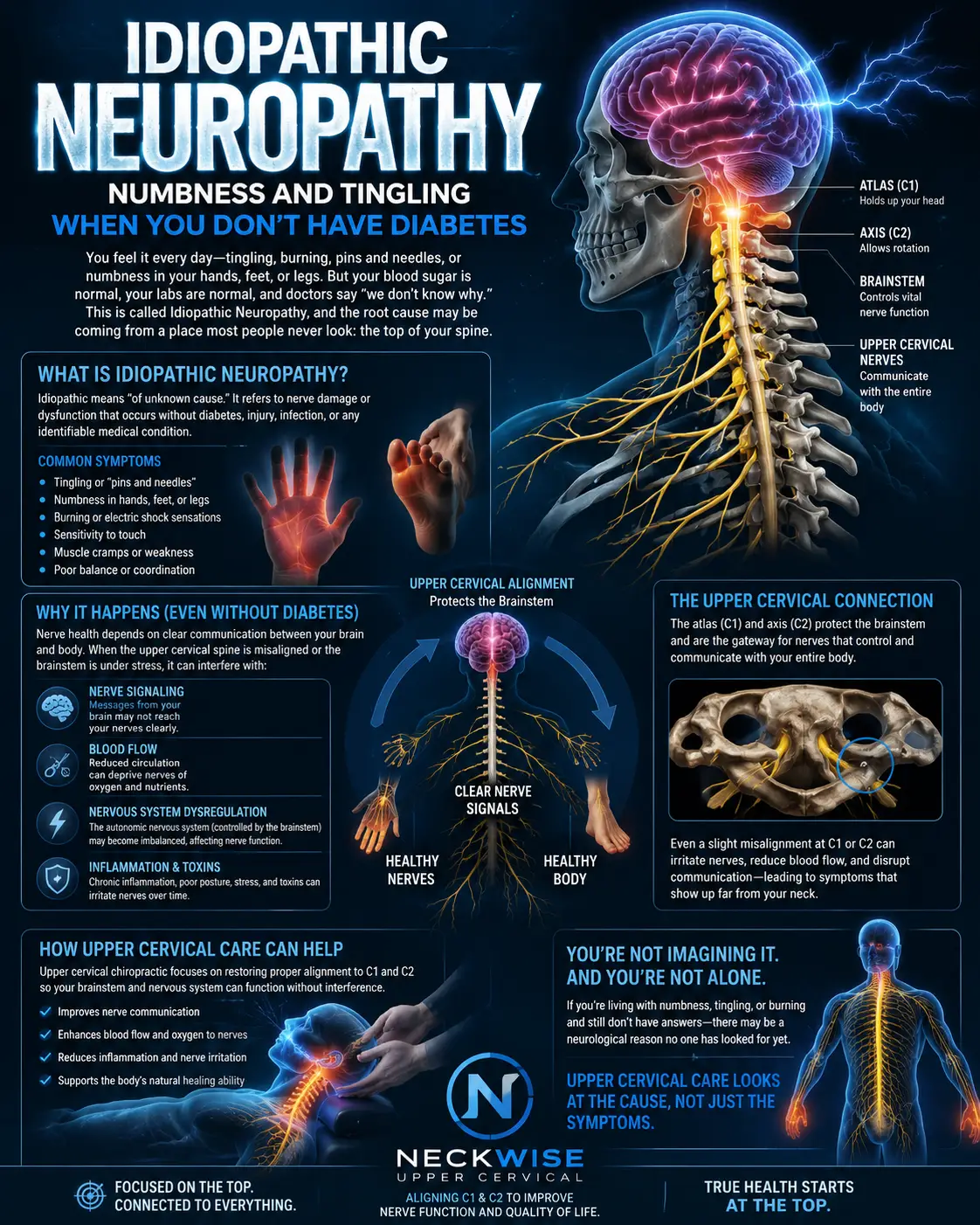
The atlas and axis are unlike any other vertebrae in the spine. They are designed for mobility, balance, and neurological protection rather than weight-bearing. The atlas supports the head— which weighs 10–14 pounds on average—while the axis allows for rotation. Together, they surround and protect the lower brainstem, an area that controls vital functions such as balance, blood pressure, heart rate, breathing, and coordination.
When the upper cervical spine becomes misaligned—often due to trauma such as car accidents, falls, sports injuries, poor posture, or repetitive stress—it can place abnormal pressure on the brainstem and spinal cord. This may disrupt normal nerve signaling, alter muscle tone, and affect blood and cerebrospinal fluid flow. Over time, these disruptions can contribute to a wide range of symptoms that may seem unrelated to the neck.
Common Symptoms Linked to Upper Cervical Misalignment
Because the upper cervical spine has such a strong influence on the nervous system, symptoms associated with misalignment can be diverse. Many people seek upper cervical care after struggling with chronic or unexplained conditions, including:
- Headaches and migraines
- Vertigo, dizziness, or balance problems
- Neck pain and stiffness
- Pressure at the base of the skull
- Brain fog or difficulty concentrating
- Jaw pain or TMJ dysfunction
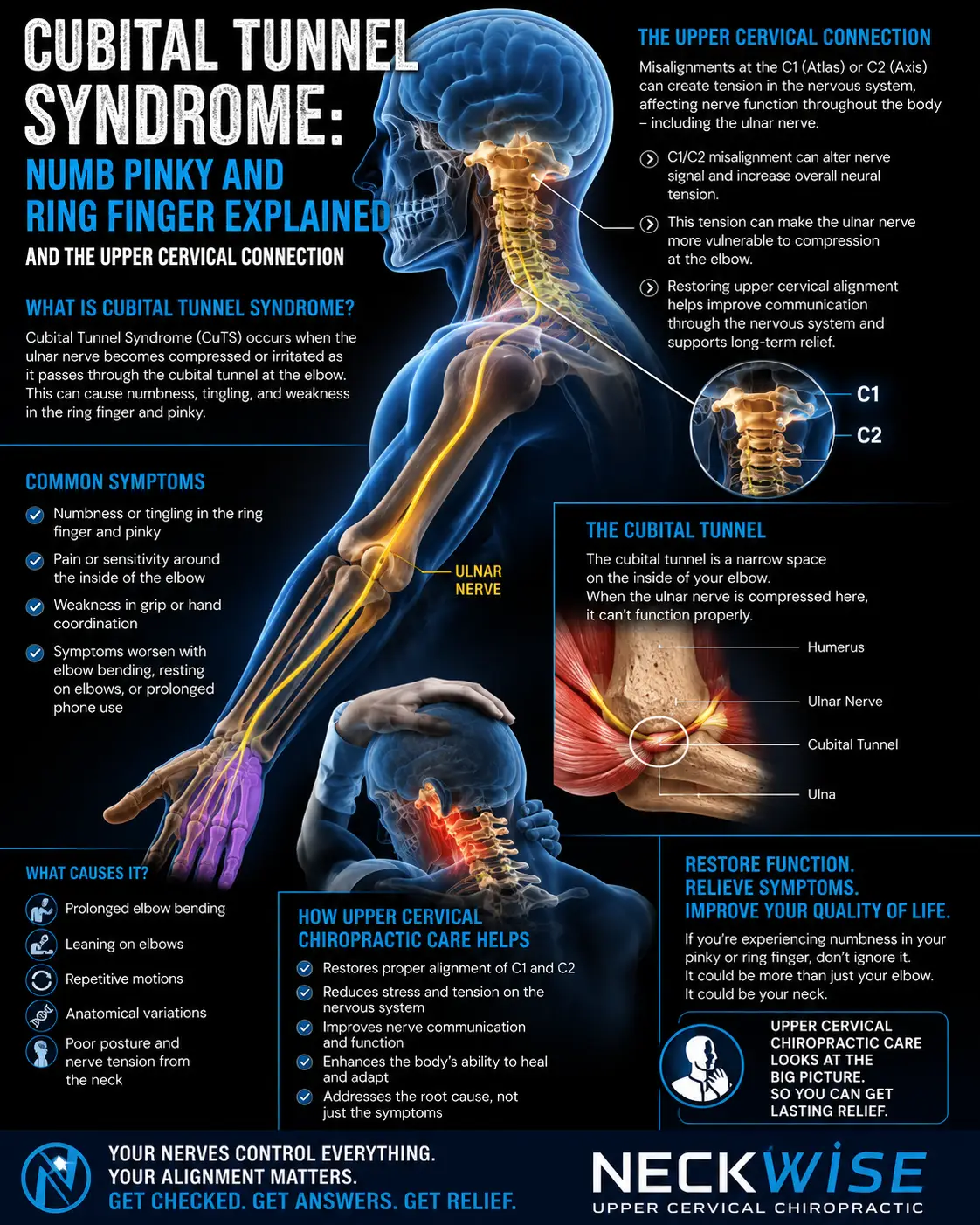
- Numbness or tingling in the arms or hands
- Post-concussion symptoms
- Autonomic nervous system issues, such as heart rate or blood pressure irregularities
Importantly, these symptoms often persist despite other treatments because the underlying structural imbalance in the upper neck has not been corrected.
How Upper Cervical Chiropractic Is Different
One of the defining characteristics of upper cervical chiropractic care is its precision. Practitioners do not rely on generalized spinal manipulation. Instead, they use detailed imaging—often including advanced 3D scans—to measure the exact position and angle of the atlas and axis relative to the skull.
Based on these measurements, a customized correction is delivered using a very gentle, controlled force. There is no twisting, cracking, or popping of the neck. Many adjustments are so subtle that patients are surprised by how light they feel. This precision allows the correction to be effective while minimizing stress on surrounding tissues.
Another key difference is the emphasis on holding corrections. Rather than adjusting the neck at every visit, upper cervical chiropractors closely monitor alignment and only adjust when necessary. The objective is to help the body maintain proper alignment on its own, reducing the need for frequent interventions over time.
The Role of the Nervous System
Upper cervical chiropractic care is fundamentally centered on the nervous system. The brain and spinal cord coordinate every function in the body, from movement and sensation to digestion and immune response. When nerve communication is disrupted at the top of the spine, the body may shift into a state of chronic stress or compensation.
By restoring proper alignment of the atlas and axis, upper cervical care aims to remove interference to the nervous system. When this interference is reduced, the body can better regulate itself. Many patients notice improvements not only in pain levels, but also in sleep quality, energy, balance, and overall resilience.
The Healing Process
Healing with upper cervical chiropractic care is often gradual and progressive. Some people notice changes quickly, while others experience steady improvement over weeks or months. This variation depends on factors such as the severity and duration of the misalignment, overall health, and how well the body is able to hold the correction.
A typical care process includes:
- A thorough consultation and health history
- Detailed imaging to assess upper cervical alignment
- A precise, gentle correction when indicated
- Ongoing monitoring of alignment and neurological indicators
Education is also a major component. Patients learn how posture, ergonomics, stress, and daily habits influence the upper neck, empowering them to support long-term stability.
Who Can Benefit from Upper Cervical Care
Upper cervical chiropractic care is suitable for people of all ages, from children to older adults. Because the adjustments are gentle and specific, it is often chosen by individuals who are uncomfortable with forceful manipulation or who have not found relief through other methods.
It is especially valuable for those dealing with chronic, complex, or recurring issues—particularly when symptoms began after a head or neck injury, even if that injury occurred years earlier.
A Root-Cause Approach
One of the most compelling aspects of upper cervical chiropractic care is its focus on addressing root causes rather than masking symptoms. Instead of chasing pain or dysfunction in multiple areas, this approach recognizes the central role of the upper cervical spine in overall health.
By correcting structural imbalances at the top of the neck, the body is given the opportunity to restore balance, improve neurological function, and heal from within. For many people, this represents a shift from managing symptoms to pursuing lasting change.ce naturally.
NeckWise Care at Lavender Family Chiropractic
NeckWise care represents one of the most precise forms of upper cervical chiropractic care available.
At Lavender Family Chiropractic, NeckWise care includes:
- 3D CBCT imaging to identify exact misalignments
- Functional nervous system scans to measure imbalance
- Gentle, customized corrections—no twisting or cracking
- Ongoing monitoring to ensure stability
This approach does not chase symptoms. It restores neurological integrity so the body can heal itself.
Why Natural Remedies Alone Rarely Resolve Vertigo
Natural strategies support the body—but they do not remove the interference.
If the brainstem is irritated due to upper cervical misalignment, the nervous system is constantly compensating. Supplements, exercises, and lifestyle changes help manage symptoms but rarely create lasting resolution.
Correct the alignment, and the body no longer needs to compensate.
Final Thoughts
Vertigo is not something you should simply accept.
It is not something you should mask forever.
And it is not always an inner ear problem.
Natural remedies matter.
Lifestyle changes matter.
But correction creates resolution.
When the upper cervical spine is restored, balance improves naturally—without forcing the body to adapt around dysfunction.
If you have tried everything and still struggle with vertigo, the missing piece may not be another supplement or exercise.
It may be alignment.
And when alignment is restored, healing can finally begin.
Schedule a Consultation
If you’re searching for a chiropractor sarasota florida, chiropractor near me, upper cervical chiropractor near me, or you’ve been looking for answers to ear pressure, dizziness, vertigo, headaches, and chronic congestion, we’re here to help.
Lavender Family Chiropractic (NeckWise North Sarasota)
5899 Whitfield Ave Ste 107, Sarasota, FL 34243
www.chiropractorsarasotaflorida.com
To learn more about us go to http://www.chiropractorsarasotaflorida.com
We also service Bradenton, Parrish, Ellenton, Ruskin, Venice, Tampa, St. Pete, Osprey, Longboat, Lakewood Ranch, Myakka City.
If you are in Tampa, Land O Lakes, Fort Myers, or Salt Lake City, you can visit my other locations! NeckWise Upper Cervical. Visit, www.neckwise.com
If you are not local, visit www.uccnearme.com to find a doctor in your area
Serving Sarasota, Bradenton, Lakewood Ranch, Parrish, Ellenton, Venice, Osprey, Siesta Key, Longboat Key, Lido Key, Myakka City, Punta Gorda, and St. Petersburg.