
By Dr. Rusty Lavender, D.C. — upper cervical chiropractor, Lavender Family Chiropractic, Sarasota, FL. Reviewed and updated October 2026.
Our complete guide to upper cervical chiropractic care in Sarasota explains what the top two vertebrae control, how we measure them with 3D imaging, and what a correction feels like.
Elderly Aging is a natural process that comes with its own set of challenges, particularly when it comes to mobility. As we grow older, issues like joint stiffness, muscle weakness, and balance problems can affect our ability to move freely and comfortably. While these issues may be common, they don’t have to be inevitable. In this article, we will explore how upper cervical chiropractic care can be a valuable tool in helping seniors age gracefully by improving their mobility.
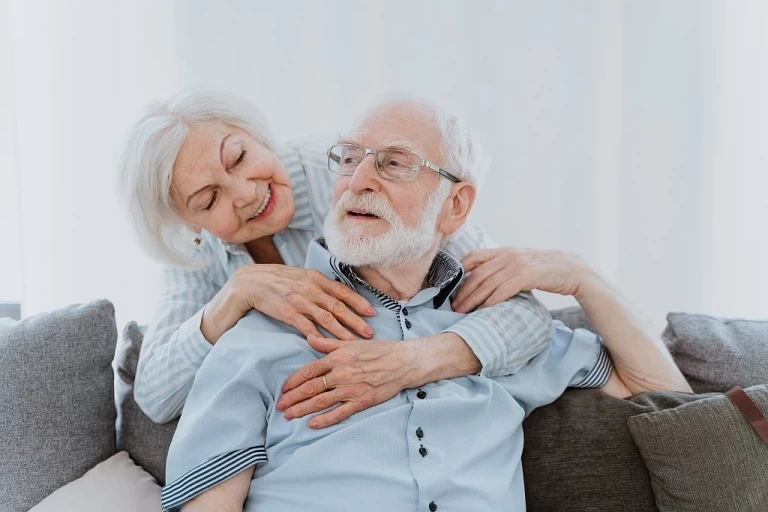
Table of Contents
Understanding Age-Related Mobility Challenges in Elderly
Aging in the elderly brings several changes to the musculoskeletal system, which can contribute to mobility challenges:
1. Joint Degeneration: Over time, the joints may experience wear and tear, leading to conditions like osteoarthritis. This can result in joint pain and reduced range of motion.
2. Muscle Atrophy: Age-related muscle loss (sarcopenia) can lead to weakness, making it difficult for seniors to perform daily activities and maintain balance.
3. Balance Issues: Reduced muscle strength and changes in the inner ear can affect balance, increasing the risk of falls.
4. Nervous System Changes: The nervous system changes with age, affecting coordination and motor skills.
5. Spinal Misalignments: Misalignments in the upper cervical spine can interfere with nerve signals that control various functions, including mobility.
How Upper Cervical Chiropractic Care Can Help
Upper cervical chiropractic care focuses on the alignment of the top two vertebrae in the spine – the atlas (C1) and axis (C2). These vertebrae protect the brainstem, a crucial component of the nervous system responsible for transmitting signals between the brain and the body. Misalignments in this area, known as subluxations, can disrupt nerve communication and contribute to mobility issues.
1. Improved Nerve Communication: By correcting upper cervical misalignments, chiropractors aim to optimize nerve communication between the brain and the body. This can lead to improved coordination and muscle function.
2. Reduced Pain: Upper cervical chiropractic care can provide relief from neck pain, headaches, and other discomforts associated with spinal misalignments, allowing seniors to move more comfortably.
3. Enhanced Balance: Proper spinal alignment, especially in the upper cervical region, can contribute to better balance by improving nerve signals related to posture and coordination.
4. Increased Range of Motion: Seniors may experience improved joint mobility and flexibility as a result of upper cervical adjustments.
Real-Life Benefits for Seniors
Let’s explore how upper cervical chiropractic care can have a positive impact on the lives of seniors looking to improve their mobility:
1. Pain Relief: Seniors may experience relief from chronic pain, making it easier to engage in physical activities and enjoy a higher quality of life.
2. Fall Prevention: Enhanced balance and coordination can reduce the risk of falls, which are a major concern for the elderly.
3. Independence: Maintaining mobility and independence is crucial for seniors. With improved movement, they can continue to perform daily tasks and activities without assistance.
4. Quality of Life: Improved mobility contributes to a better overall quality of life, allowing seniors to stay active, socialize, and enjoy their hobbies.
5. Medication Reduction: Some seniors may find that with improved mobility and reduced pain, they can reduce their reliance on pain medications and their associated side effects.
6. Mental Well-Being: The ability to move freely and without pain can have a significant impact on mental well-being, reducing stress and improving mood.
Conclusion
Aging gracefully as an elderly is about maintaining mobility and independence as we grow older. Upper cervical chiropractic care offers a non-invasive and holistic approach to improving mobility and addressing age-related musculoskeletal issues. By correcting misalignments in the upper cervical spine, this specialized form of chiropractic care can optimize nerve communication, reduce pain, enhance balance, and increase range of motion.
If you or a loved one is seeking to age gracefully and maintain mobility in the senior years, consider exploring the potential benefits of upper cervical chiropractic care. Consult with a qualified and experienced upper cervical chiropractor to discuss individual health goals and embark on a journey toward improved mobility, well-being, and a higher quality of life. Aging may be inevitable, but its challenges can be met with resilience and the right support.
What the Research Says About Aging, Balance and the Neck
Staying mobile with age depends heavily on balance, and the numbers here are striking. In the national NHANES survey, 35 percent of U.S. adults aged 40 and older showed vestibular dysfunction on balance testing, the rate rose sharply with age, and symptomatic dysfunction was associated with a twelvefold increase in the odds of falling (Agrawal et al., Arch Intern Med 2009). Vitamin B12 deficiency, common in older adults, can cause imbalance, numbness and cognitive change and is treatable with supplementation, so it belongs on any checklist (Stabler, N Engl J Med 2013). Research on upper cervical chiropractic specifically in older adults is limited to case reports and small studies, so we rely on the broader neck evidence and on safety data.
The safety data are reassuring for seniors. Among Medicare beneficiaries aged 66 to 99 with neck pain, the risk of stroke after chiropractic manipulation was low and no higher than after a primary-care visit (Whedon et al., J Manipulative Physiol Ther 2015). On the balance side, disturbed input from the upper cervical joints alters head and eye movement control and produces unsteadiness (Kristjansson & Treleaven, J Orthop Sports Phys Ther 2009), and a randomized trial of two upper cervical manual techniques reduced dizziness compared with placebo, with the benefit still present at 12 months (Reid et al., Phys Ther 2014). For an older patient we image the atlas in 3D, correct gently to match the images, and re-measure so nothing is left to guesswork.
Frequently Asked Questions
Is upper cervical care safe for seniors with osteoporosis concerns?
The Knee Chest technique is low-force and involves no twisting, cracking, or rotation of the neck, which makes it well suited to older patients. We take a 3D cone-beam CT before any correction, which lets us see bone quality and rule out conditions that would change the approach. The correction is calculated from that imaging and delivered with a light, specific contact. We coordinate with your physician whenever there are concerns.
How does the atlas affect balance and fall risk in older adults?
The brainstem combines position signals from the upper neck with input from the inner ear and eyes. When the atlas is misaligned, those signals conflict, and the result is unsteadiness that increases fall risk. Correcting the atlas restores more accurate input to the brainstem. Many seniors notice they feel steadier on their feet as their alignment holds, and we track posture and thermography at each visit to confirm the change.
What age-related mobility problems does upper cervical care address?
Stiff necks, reduced ability to turn the head while driving, uneven gait, chronic headaches, and low back tension often trace back to an atlas misalignment the body has compensated for over decades. Correcting the atlas allows the head to sit centered and the spine to carry weight more evenly. We measure range of motion and posture before and after care, and results vary by person depending on how long the misalignment has been present.
Will upper cervical care interfere with my other medical care?
No. We work alongside your physicians and specialists, share imaging on request, and leave all medication decisions with the prescribing doctor. Serious conditions should be ruled out medically first. Our role is specific: measure the atlas with CBCT, correct it with a precise low-force adjustment, and confirm the nervous system response with thermography. Many seniors find that their other care works better when the structural piece at the top of the spine is addressed.
Do you see senior patients from Venice and Longboat Key?
Yes. Our office at 5899 Whitfield Avenue, Suite 107 in Sarasota is about thirty minutes from Venice and convenient to Longboat Key, Bradenton, and Lakewood Ranch. The first visit includes a thorough history, balance and posture assessment, neurological exam, CBCT imaging, and a thermography baseline. Care plans are individual with no preset packages. We are cash-pay and provide superbills. Call (941) 243-3729 to schedule an evaluation.
Schedule With Us!
Lavender Family Chiropractic offers complimentary consultations to learn more about you. Click the link below!
https://intake.chirohd.com/new-patient-scheduling/724/lavender-family-chiropractic
Visit our Website!
To learn more about us go to http://www.chiropractorsarasotaflorida.com