
By Dr. Rusty Lavender, D.C. — upper cervical chiropractor, Lavender Family Chiropractic, Sarasota, FL. Reviewed and updated October 2026.
Our complete guide to upper cervical chiropractic care in Sarasota explains what the top two vertebrae control, how we measure them with 3D imaging, and what a correction feels like.
In today’s fast-paced world, many people are plagued by various health issues that can disrupt their daily lives. One common problem that often goes unnoticed is vertebral subluxation. This condition can lead to a host of discomforts and complications, affecting not only physical health but also overall well-being. Fortunately, upper cervical care offers a natural and effective solution to alleviate the symptoms and restore balance to the body. In this blog, we will delve into the concept of vertebral subluxation, explore the benefits of upper cervical care, and provide advice on how to seek professional help from an upper cervical practice.

Table of Contents
Understanding Vertebral Subluxation
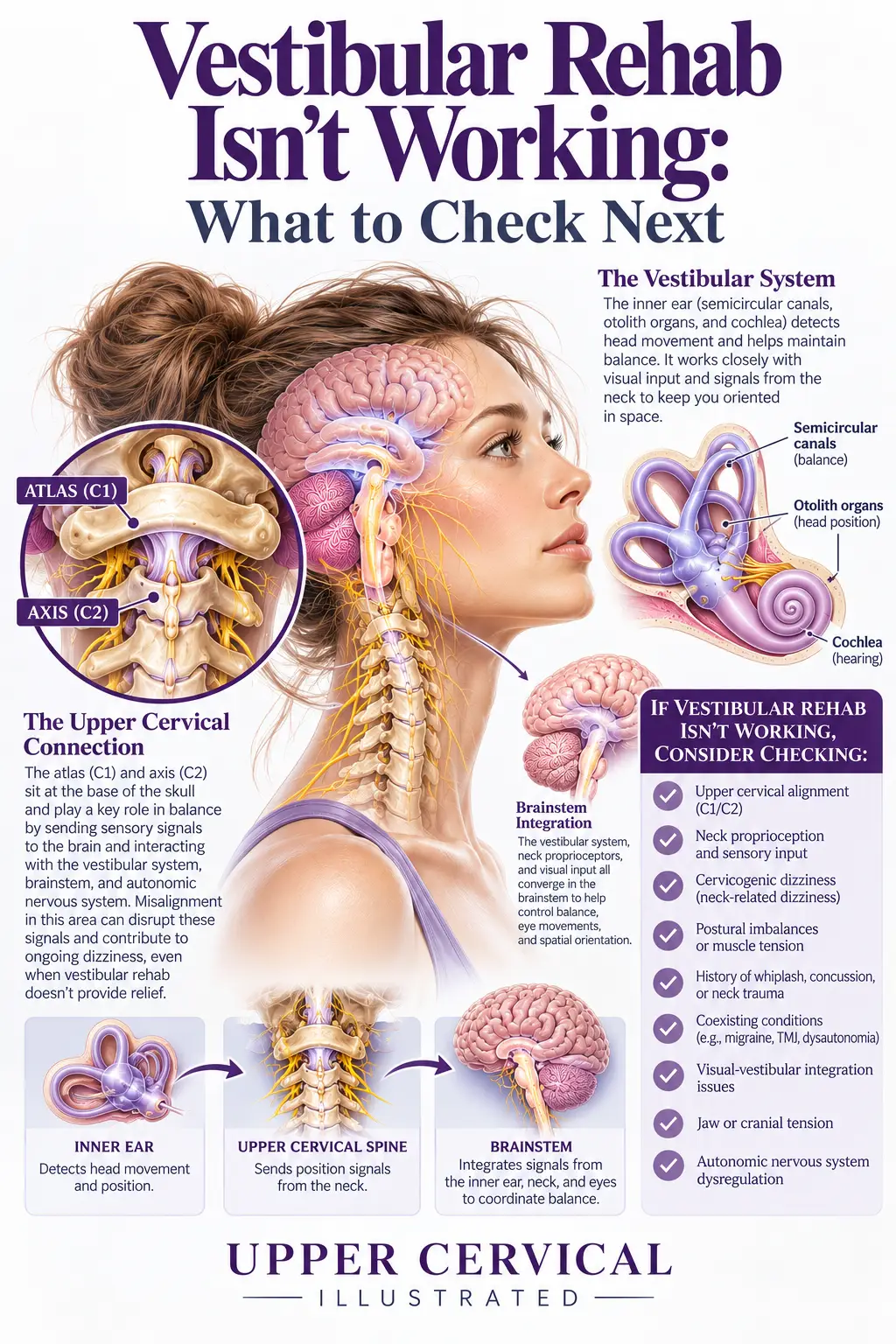
Vertebral subluxation refers to a misalignment or improper movement of the spinal vertebrae, particularly in the upper cervical region (neck area). This misalignment can occur due to various factors, such as poor posture, trauma, repetitive motion, or even emotional stress. When the vertebrae are not properly aligned, it can put pressure on the spinal nerves, disrupting the normal flow of information between the brain and the body. As a result, this can lead to a range of symptoms, including neck pain, headaches, dizziness, tingling or numbness in the extremities, and even issues with digestion or sleep.
The Role of Upper Cervical Care
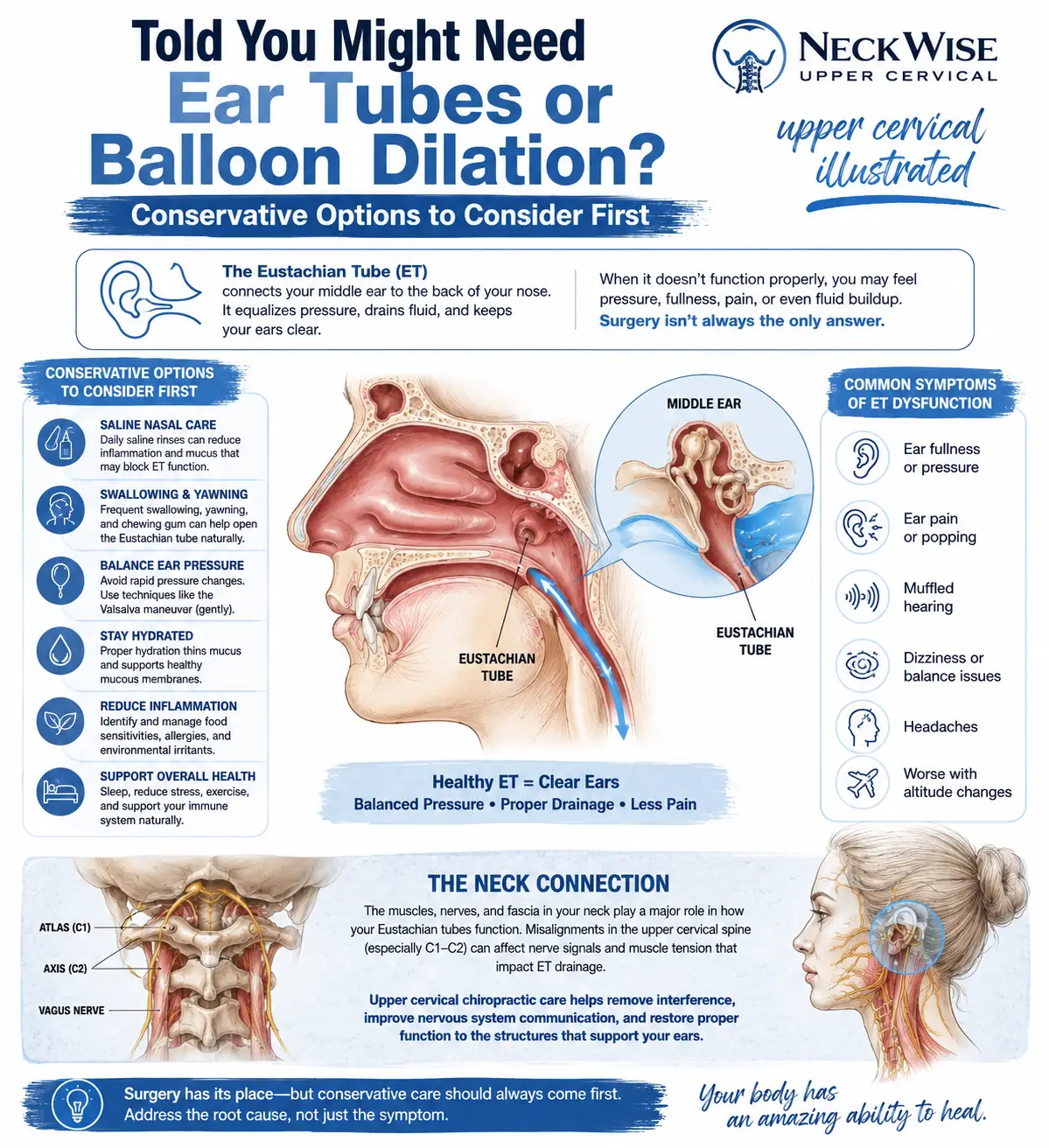
Upper cervical care focuses on the alignment and health of the uppermost vertebrae in the neck, namely the atlas (C1) and axis (C2). These vertebrae are crucial as they protect the brainstem, which is responsible for vital bodily functions. By ensuring proper alignment and movement of the upper cervical spine, upper cervical care aims to restore communication between the brain and the body, promoting overall health and well-being.
Benefits of Upper Cervical Care
1. Natural and Non-Invasive: Upper cervical care is a gentle and non-invasive approach to health that does not rely on medications or surgery. It focuses on correcting the root cause of the problem rather than simply managing symptoms.
2. Pain Relief: Misalignments in the upper cervical spine can cause various types of pain, including neck pain, migraines, and tension headaches. By realigning the vertebrae, upper cervical care can alleviate these pains and provide long-lasting relief.
3. Improved Nervous System Function: Vertebral subluxation can disrupt the normal flow of information within the nervous system. By restoring proper alignment, upper cervical care allows for optimal communication between the brain and the body, improving overall nervous system function.
4. Enhanced Body Function: When the nervous system functions optimally, the body can operate at its best. Upper cervical care has been shown to have positive effects on various bodily functions, such as immune system function, digestion, sleep, and mental clarity.
5. Individualized Treatment: Upper cervical care is personalized to each individual’s needs. The practitioner will perform a thorough examination, including imaging and diagnostic tests, to identify the specific misalignments and develop a customized treatment plan.
Seeking Professional Help
If you’re experiencing any symptoms related to vertebral subluxation or have concerns about your spinal health, it is advisable to seek professional help from an upper cervical practice. Here are a few key steps to take:
1. Research and Choose a Reputable Practice: Look for an upper cervical practice with experienced practitioners who specialize in this field. Read reviews, check their credentials, and ensure they have a track record of successfully treating patients with vertebral subluxation.
2. Schedule an Initial Consultation: Contact the chosen upper cervical practice and schedule an initial consultation. This visit will include a detailed examination, a discussion of your symptoms and medical history, and potential imaging tests, such as X-rays or MRI scans.
3. Discuss Treatment Options: During the consultation, the practitioner will explain the findings and propose a tailored treatment plan to address your specific needs. They will discuss the benefits of upper cervical care and answer any questions or concerns you may have.
4. Follow the Treatment Plan: If you decide to proceed with upper cervical care, follow the treatment plan outlined by the practitioner. Attend the scheduled appointments and communicate any changes or improvements in your symptoms during the treatment process.
A vertebral subluxation can significantly impact your health and well-being. Upper cervical care offers a natural and effective solution to realign the vertebrae and restore proper communication within the nervous system. By seeking professional help from an upper cervical practice, you can receive personalized care that addresses the root cause of your symptoms. Don’t hesitate to take the first step toward improved spinal health and overall well-being by scheduling an appointment with an upper cervical practice today. Your body will thank you for it! We are here always to help you. If you have questions do an appointment with us today and we will try to answer all.
What the Research Says About Vertebral Subluxation and the Atlas
Subluxation is a word chiropractors use for a joint that has shifted slightly and is not moving or signaling normally. The research-based version of that idea concerns input to the nervous system rather than a bone pressing on a nerve. A published review proposes that spinal manipulation works by altering sensorimotor integration, meaning the way the central nervous system processes signals coming from the spine (Haavik & Murphy, J Electromyogr Kinesiol 2012). The upper neck is a sensitive spot for this because the C0 to C2 region depends heavily on ligaments rather than bony locks for its stability, and chronic neck pain has been linked to laxity in those capsular ligaments (Steilen et al., Open Orthop J 2014). A misaligned atlas, in other words, is a joint sending the brain poor information.
What happens when that joint is addressed carefully is reasonably well documented. In the largest prospective study of upper cervical chiropractic, 1,090 patients across 83 offices reported high improvement and satisfaction, with reactions mostly mild and short-lived and no serious adverse event (Eriksen et al., BMC Musculoskelet Disord 2011). A Cochrane review of 51 trials found cervical manipulation and mobilization produce meaningful short-term gains in pain and function for neck pain (Gross et al., Cochrane 2015). What those studies do not support is the claim that every disease traces to one bone. Our approach to a suspected atlas subluxation is to measure it: 3D imaging shows the exact direction of the shift, the correction is matched to that picture, and a second measurement confirms the change rather than assuming it.
Frequently Asked Questions
What is a vertebral subluxation in upper cervical terms?
A vertebral subluxation is a misalignment of a vertebra that interferes with normal nerve function. In the upper neck, this means the atlas or axis has shifted from its centered position around the brainstem, altering the signals passing between brain and body. We do not assume a subluxation from symptoms alone; we measure it on 3D cone-beam CT and read its effect on the nervous system with paraspinal thermography.
How does upper cervical care address a subluxation differently?
Rather than adjusting many spinal segments, we correct the one at the top that influences the rest. The Knee Chest adjustment is calculated from imaging and delivered with a light contact, no twisting, cracking, or rotation. Thermography before and after shows whether the nervous system responded. On follow-up visits, if the scan shows the correction holding, we do not adjust again. This keeps care specific and allows the body to stabilize.
What are the benefits of correcting an upper cervical subluxation?
As the atlas returns to a centered position, the head levels, the spine stops compensating, and the brainstem receives clearer input. Many patients notice changes in headaches, neck pain, balance, sleep, and energy, and results vary by person. We track these with posture analysis and thermography at each visit so progress is measured. The benefit we can speak to directly is the one we confirm: more balanced nervous system regulation over time.
How do I know whether I have a subluxation?
Common indicators include a history of head or neck trauma, uneven shoulders or hips, chronic headaches, a head tilt, and symptoms that have not responded to other care. The only way to know is to measure. Our evaluation includes a neurological exam, posture analysis, CBCT imaging, and a thermography baseline. If the findings show an upper cervical misalignment, we explain it; if not, we say so and refer you appropriately.
When should Sarasota residents seek professional help for a suspected subluxation?
Sooner is better, especially after an accident, fall, or sports injury, because the body begins compensating quickly. Serious causes of your symptoms should be ruled out by a physician, and we coordinate with your medical team and share imaging. Our office at the corner of University Parkway and Whitfield Avenue is minutes from Lakewood Ranch and Bradenton. Care plans are individual with no preset packages. Call (941) 243-3729 to schedule an evaluation.
Schedule With Us!
Lavender Family Chiropractic offers consultations to learn more about you. Click the link below!
https://intake.chirohd.com/new-patient-scheduling/724/lavender-family-chiropractic
Visit our Website!
To learn more about us go to http://www.chiropractorsarasotaflorida.com