
Understanding Multiple Sclerosis and the Role of Upper Cervical Chiropractic Care at Lavender Family Chiropractic
By Dr. Rusty Lavender, D.C. — upper cervical chiropractor, Lavender Family Chiropractic, Sarasota, FL. Reviewed and updated October 2026.
Our complete guide to upper cervical chiropractic care in Sarasota explains what the top two vertebrae control, how we measure them with 3D imaging, and what a correction feels like.
Multiple Sclerosis (MS) is a complex and often debilitating autoimmune condition that affects the central nervous system (CNS). Characterized by damage to the myelin sheath, the protective covering of nerve fibers, MS disrupts communication between the brain and the rest of the body. This chronic condition can lead to a wide range of physical, cognitive, and emotional challenges.
At Lavender Family Chiropractic in Sarasota, Florida, we specialize in a unique and effective approach to chiropractic care known as upper cervical care. By focusing on the alignment of the upper cervical spine, we aim to support the nervous system and improve the quality of life for individuals living with MS.
What Is Multiple Sclerosis?
Multiple Sclerosis is an autoimmune disorder in which the immune system mistakenly attacks the myelin sheath, leading to inflammation and scarring (sclerosis) of nerve tissue. These scars disrupt the efficient transmission of nerve signals, resulting in a variety of symptoms that can vary widely among individuals.
Types of MS
- Relapsing-Remitting MS (RRMS): The most common form, characterized by periods of symptom flare-ups (relapses) followed by remission.
- Primary-Progressive MS (PPMS): A steady progression of symptoms without distinct relapses or remissions.
- Secondary-Progressive MS (SPMS): Initially relapsing-remitting, but transitions to a progressive course over time.
- Progressive-Relapsing MS (PRMS): A rare form with steady progression punctuated by acute relapses.
Common Symptoms of MS
- Fatigue
- Muscle weakness and spasms
- Balance and coordination problems
- Numbness or tingling in limbs
- Cognitive impairment
- Vision problems
- Bladder and bowel dysfunction
Traditional Approaches to MS Management
Currently, there is no cure for MS, but various treatments are available to manage symptoms, slow disease progression, and improve quality of life. These include:
- Medications: Disease-modifying therapies (DMTs) to reduce relapses and inflammation, along with medications for specific symptoms like spasticity or fatigue.
- Physical and Occupational Therapy: Techniques to improve mobility, strength, and daily functioning.
- Lifestyle Modifications: Stress management, dietary adjustments, and exercise plans to enhance overall well-being.
While these treatments can be beneficial, they often focus on symptom management rather than addressing potential underlying issues. This is where upper cervical chiropractic care can play a vital role.
What Is Upper Cervical Chiropractic Care?
Upper cervical chiropractic care is a specialized form of chiropractic treatment that focuses on the alignment of the top two vertebrae of the spine—the atlas (C1) and axis (C2). These vertebrae are crucial for supporting the head, protecting the brainstem, and ensuring proper communication between the brain and body.
Even subtle misalignments in the upper cervical spine can disrupt nervous system function, potentially exacerbating symptoms of conditions like MS. By gently correcting these misalignments, upper cervical care aims to restore balance to the nervous system and support the body’s natural healing processes.
The Connection Between MS and the Upper Cervical Spine
While the exact cause of MS remains unknown, research suggests that factors like inflammation, impaired blood flow, and cerebrospinal fluid (CSF) irregularities may contribute to the disease. The upper cervical spine plays a critical role in these processes, and its alignment can influence:
- Brainstem Function:
- The brainstem is a vital communication hub for the CNS. Misalignments in the upper cervical spine can place pressure on the brainstem, potentially worsening neurological symptoms associated with MS.
- Cerebrospinal Fluid Flow:
- Proper CSF flow is essential for removing waste and delivering nutrients to the brain and spinal cord. Misalignments can obstruct CSF flow, contributing to inflammation and neurodegeneration.
- Blood Flow to the Brain:
- Research has shown that upper cervical misalignments can affect venous drainage from the brain, leading to increased intracranial pressure and inflammation.
- Trauma and MS Onset:
- Many individuals with MS have a history of head or neck trauma, which can lead to upper cervical misalignments. Addressing these misalignments may help alleviate symptoms and support overall neurological health.
How Lavender Family Chiropractic Supports MS Patients
At Lavender Family Chiropractic in Sarasota, Florida, we are dedicated to providing personalized care for individuals with MS. Our upper cervical chiropractic approach is designed to enhance nervous system function, reduce inflammation, and promote overall well-being.
Comprehensive Assessments
Our care process begins with a thorough evaluation to identify any upper cervical misalignments and understand the patient’s unique needs. This includes:
- Detailed Medical History: Reviewing the patient’s symptoms, lifestyle, and history of trauma or injury.
- Physical Examination: Assessing posture, range of motion, and neurological function.
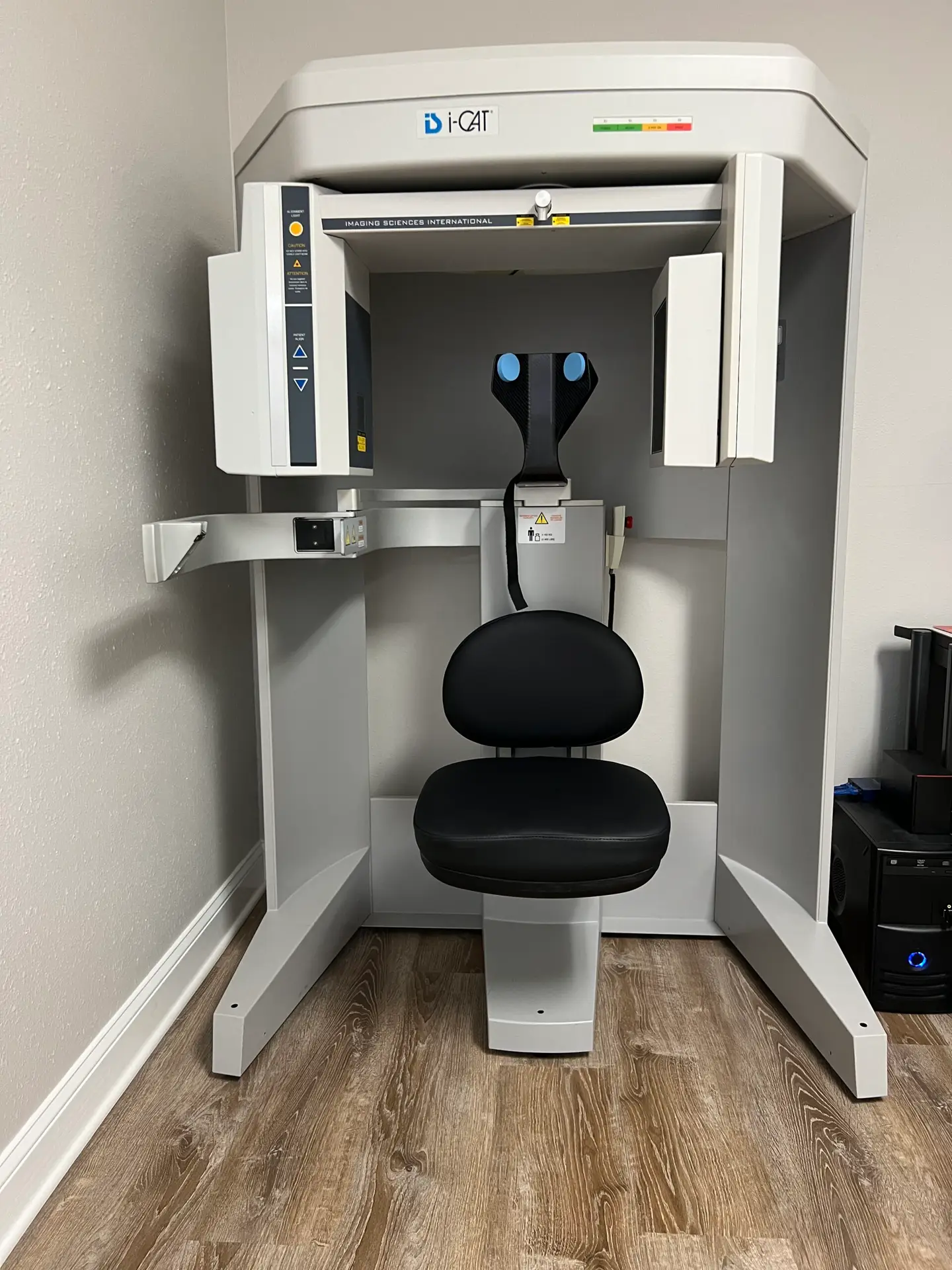
- Advanced Imaging: Utilizing digital X-rays or CBCT scans to pinpoint misalignments with precision.
Gentle and Precise Adjustments
Upper cervical adjustments are gentle, non-invasive, and tailored to each patient’s specific needs. These adjustments are designed to:
- Relieve pressure on the brainstem and spinal cord.
- Restore proper alignment and improve nervous system communication.
- Enhance blood and CSF flow, supporting the body’s natural healing processes.
Ongoing Care and Support
Living with MS requires long-term support and proactive management. Our team provides:
- Regular follow-ups to monitor progress and adjust care plans as needed.
- Guidance on complementary therapies, including exercise, nutrition, and stress management.
- Education on the importance of spinal health for overall wellness.
Benefits of Upper Cervical Care for MS Patients
Upper cervical chiropractic care addresses the upper-neck component alongside MS care, and many patients report significant improvements in their quality of life. Potential benefits include:
- Reduced Fatigue:
- Many patients experience increased energy levels and less debilitating fatigue.
- Improved Mobility and Balance:
- Adjustments can alleviate muscle stiffness and improve coordination, making it easier to perform daily activities.
- Relief from Pain and Discomfort:
- Upper cervical care can reduce chronic pain, including neck and back pain associated with MS.
- Enhanced Cognitive Function:
- Better nervous system function may lead to improved focus, memory, and mental clarity.
- Better Sleep:
- Many MS patients find relief from sleep disturbances, leading to improved overall health.
Patient Success Stories
At Lavender Family Chiropractic, we have witnessed the transformative effects of upper cervical care on individuals with MS. Here are a few inspiring stories:
- Sarah’s Renewed Energy:
- Sarah, a 38-year-old mother of two, struggled with debilitating fatigue and balance issues. After receiving regular upper cervical adjustments, she regained her energy and was able to participate more actively in her children’s lives.
- David’s Pain Relief:
- David, a 52-year-old business owner, suffered from chronic neck pain and muscle spasms. With gentle chiropractic care, his pain significantly diminished, allowing him to focus on his work and hobbies.
- Emma’s Improved Mobility:
- Emma, a 60-year-old retiree, faced difficulty walking due to muscle weakness and spasticity. Upper cervical care helped improve her mobility, giving her greater independence and confidence.
Why Choose Lavender Family Chiropractic?
At Lavender Family Chiropractic, we are committed to providing compassionate, high-quality care tailored to each patient’s needs. Here’s what sets us apart:
- Expertise in Upper Cervical Care: Our chiropractors are highly trained in this specialized approach.
- State-of-the-Art Technology: We use advanced diagnostic tools to ensure precise and effective treatment.
- Holistic Approach: We focus on the whole person, addressing physical, emotional, and lifestyle factors.
- Supportive Environment: Our team is dedicated to building lasting relationships and empowering patients to take control of their health.
Take the First Step Toward Better Health
If you or a loved one is living with Multiple Sclerosis, upper cervical chiropractic care at Lavender Family Chiropractic in Sarasota, Florida, may provide the relief and support you need. By addressing the root causes of nervous system dysfunction, our gentle and holistic approach can help you achieve a better quality of life.
Contact us today to schedule a consultation and discover how we can support you on your journey to improved health and wellness.
What the Research Says About Multiple Sclerosis and the Neck
Multiple sclerosis is an immune-mediated disease in which the body attacks myelin in the central nervous system; it is diagnosed by MRI together with clinical criteria, and disease-modifying therapies reduce relapses (Reich et al., N Engl J Med 2018). Those therapies are the evidence-based core of MS care and nothing we do substitutes for them. On our side, research on upper cervical chiropractic for MS is limited to case reports and small studies; no controlled trial shows that atlas correction changes relapse rate, lesion load or disability progression, and we will not suggest otherwise. People with MS do, however, frequently deal with neck pain, headaches and balance problems, and that is where the general evidence on upper cervical care applies.
For neck pain, the 51 trials pooled in a Cochrane review show cervical manipulation and mobilization bring meaningful short-term gains in pain and function (Gross et al., Cochrane 2015). For headache arising from the neck, upper cervical structures converge on the trigeminocervical complex, which is why pain from C1 to C3 is felt in the head (Bogduk & Govind, Lancet Neurol 2009). For unsteadiness with a cervical component, a randomized trial of two upper cervical techniques reduced dizziness versus placebo with the benefit lasting 12 months (Reid et al., Phys Ther 2014). We address that upper-neck component with 3D imaging of the atlas, a correction matched to the images, and re-measurement, in coordination with your neurologist.
Frequently Asked Questions
Does upper cervical care treat multiple sclerosis?
MS is a neurological condition managed by your neurologist, and disease-modifying medication decisions stay with that doctor. We do not treat MS itself. What we do is correct the alignment of the atlas, which sits around the brainstem and affects how the nervous system regulates. Many MS patients carry an upper cervical misalignment from an old injury, and addressing it can take a load off a nervous system already working hard. We measure that response with thermography.
Why is the upper cervical spine relevant to someone with MS?
The atlas sits at the junction of the skull and spine, surrounding the brainstem. Vertebral arteries and sympathetic nerve fibers pass through it, and the vagus nerve exits the skull right beside it. When the atlas is misaligned, those structures can be affected. For someone with MS, whose nervous system is already under stress, a well-aligned upper neck matters. We image it with cone-beam CT to see the actual position rather than guessing.
Is the Knee Chest correction gentle enough for an MS patient?
Yes. The correction is precise and low-force, calculated from your 3D imaging, with no twisting, cracking, or rotation of the neck. You rest afterward so the change can settle. We measure with paraspinal thermography before and after, which shows how your nervous system is regulating. Care plans are individual and reassessed at each visit, so the frequency of corrections is based on your body’s response, not a preset schedule.
Will you work with my neurologist?
Yes, always. We work alongside neurology, not in place of it. We share imaging and thermography findings on request and are glad to communicate directly with your medical team. Our contribution is specific and measurable: correct the upper cervical alignment and confirm that the nervous system is responding. Many MS patients notice changes in how they feel day to day as the atlas holds its correction, though results vary by person.
Do you see MS patients from Bradenton and Lakewood Ranch?
Yes. We are at 5899 Whitfield Avenue, Suite 107, Sarasota, at the corner of University Parkway and Whitfield, minutes from Lakewood Ranch, Bradenton, and University Park, and about 30 minutes from Venice. We also see patients from Palmetto, Parrish, and Longboat Key. We are a cash-pay, out-of-network practice and provide superbills for possible insurance reimbursement. Call (941) 243-3729 to schedule an evaluation.
Schedule With Us!
Lavender Family Chiropractic offers consultations to learn more about you. Click the link below!
https://intake.chirohd.com/new-patient-scheduling/724/lavender-family-chiropractic
Visit our Website!
To learn more about us go to http://www.chiropractorsarasotaflorida.com
Related Posts



Get our upper cervical articles first.