
Understanding Parkinson’s Disease and the Role of Upper Cervical Chiropractic Care at Lavender Family Chiropractic
By Dr. Rusty Lavender, D.C. — upper cervical chiropractor, Lavender Family Chiropractic, Sarasota, FL. Reviewed and updated October 2026.
Our complete guide to upper cervical chiropractic care in Sarasota explains what the top two vertebrae control, how we measure them with 3D imaging, and what a correction feels like.
Parkinson’s disease (PD) is a progressive neurological disorder that affects millions of people worldwide. Characterized by motor symptoms such as tremors, stiffness, and bradykinesia (slowness of movement), as well as non-motor symptoms like cognitive changes and mood disturbances, PD significantly impacts quality of life. While traditional medical treatments often focus on managing symptoms through medication and physical therapy, an increasing number of individuals are turning to complementary therapies like upper cervical chiropractic care. At Lavender Family Chiropractic in Bradenton, Florida, a specialized approach to chiropractic care is offering new hope and relief for individuals living with Parkinson’s disease.
What Is Parkinson’s Disease?
Parkinson’s disease is a degenerative disorder of the central nervous system. It primarily affects dopamine-producing neurons in a specific area of the brain called the substantia nigra. Dopamine is a neurotransmitter responsible for coordinating smooth and controlled muscle movements. As these neurons degenerate, dopamine levels decrease, leading to the hallmark symptoms of Parkinson’s disease.
Common Symptoms of Parkinson’s Disease
- Motor Symptoms:
- Resting tremors
- Muscle rigidity
- Bradykinesia
- Postural instability
- Non-Motor Symptoms:
- Cognitive impairment
- Depression and anxiety
- Sleep disturbances
- Autonomic dysfunction (e.g., blood pressure irregularities, digestive issues)
Causes and Risk Factors
The exact cause of Parkinson’s disease remains unknown. However, a combination of genetic and environmental factors is believed to contribute to its development. Risk factors include age (most commonly diagnosed after 60), family history, exposure to toxins, and head trauma.
Traditional Management of Parkinson’s Disease
There is no cure for Parkinson’s disease, and treatments primarily focus on symptom management. Common approaches include:
- Medications: Levodopa, dopamine agonists, and MAO-B inhibitors are commonly prescribed to improve motor symptoms.
- Physical Therapy: Exercises to improve mobility, flexibility, and balance.
- Surgical Options: Deep brain stimulation (DBS) for advanced cases.
- Lifestyle Modifications: Diet and exercise plans to enhance overall well-being.
While these treatments can be effective, they often come with limitations and side effects, prompting many to explore complementary therapies like upper cervical chiropractic care.
What Is Upper Cervical Chiropractic Care?
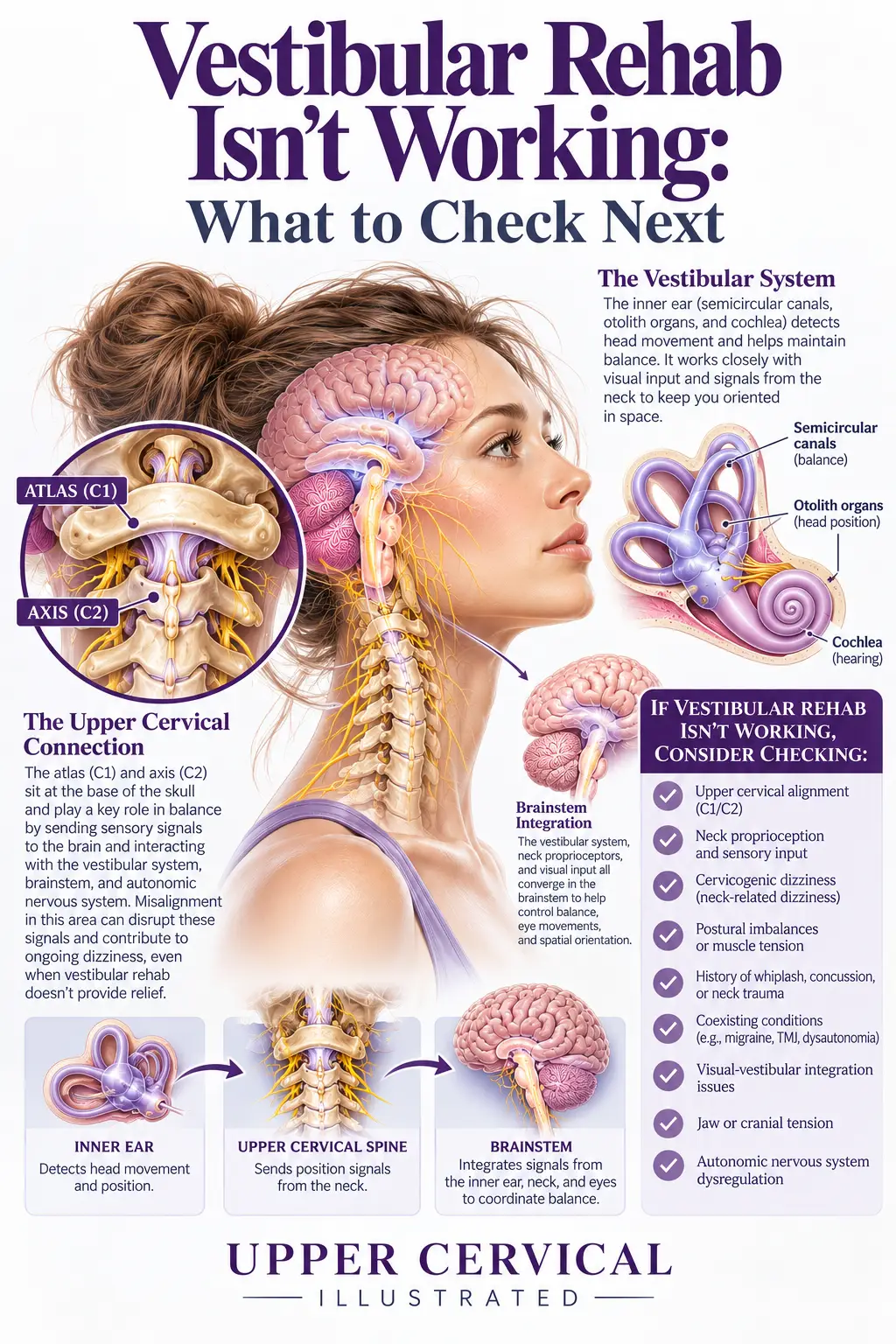
Upper cervical chiropractic care is a specialized branch of chiropractic medicine that focuses on the alignment of the top two vertebrae in the spine—the atlas (C1) and axis (C2). These vertebrae play a critical role in supporting the head and protecting the brainstem, a vital part of the central nervous system responsible for regulating many of the body’s functions.
When the upper cervical spine is misaligned, it can disrupt normal nervous system function, impairing communication between the brain and body. Upper cervical chiropractic care aims to restore proper alignment, thereby promoting optimal nervous system function and overall health.
The Connection Between Parkinson’s Disease and the Upper Cervical Spine
Research has suggested a potential link between upper cervical misalignments and neurodegenerative conditions like Parkinson’s disease. This connection is rooted in the following factors:
- Brainstem Dysfunction:
- The brainstem regulates vital functions such as movement, balance, and autonomic processes. Misalignments in the upper cervical spine can place pressure on the brainstem, exacerbating symptoms of Parkinson’s disease.
- Cerebrospinal Fluid (CSF) Flow:
- Proper alignment of the upper cervical spine ensures unobstructed cerebrospinal fluid flow. Misalignments can lead to CSF buildup or reduced drainage, contributing to inflammation and neurodegeneration.
- Blood Flow to the Brain:
- Misalignments may impair blood flow to critical areas of the brain, including the substantia nigra. Improving cervical alignment can enhance circulation and oxygen delivery to these regions.
- Head and Neck Trauma:
- Many individuals with Parkinson’s disease have a history of head or neck trauma, which can result in upper cervical misalignments. Addressing these misalignments may alleviate symptoms and support neurological health.
How Lavender Family Chiropractic Supports Parkinson’s Patients
At Lavender Family Chiropractic in Bradenton, Florida, we specialize in upper cervical chiropractic care tailored to the unique needs of individuals with Parkinson’s disease. Our approach combines advanced diagnostic techniques, gentle adjustments, and personalized care plans to promote optimal spinal health and nervous system function.
Comprehensive Assessments
The first step in our care process is a thorough evaluation to determine the presence and extent of upper cervical misalignments. This may include:
- Detailed Medical History: Understanding the patient’s symptoms, lifestyle, and history of trauma.
- Physical Examination: Assessing posture, range of motion, and neurological function.
- Imaging: Advanced imaging techniques, such as digital X-rays or CBCT scans, to identify misalignments with precision.
Gentle and Precise Adjustments
Unlike traditional chiropractic methods that involve manual manipulation, upper cervical adjustments are highly specific and non-invasive. Our chiropractors use gentle techniques to correct misalignments without twisting or cracking. These adjustments are designed to:
- Reduce pressure on the brainstem and spinal cord.
- Restore proper cerebrospinal fluid flow.
- Improve communication between the brain and body.
Ongoing Monitoring and Support
We understand that Parkinson’s disease is a chronic condition, and long-term support is essential. Our team provides:
- Regular follow-ups to monitor progress and adjust care plans as needed.
- Guidance on complementary therapies, including exercises and lifestyle modifications.
- Education on the benefits of maintaining spinal health for overall well-being.
Benefits of Upper Cervical Care for Parkinson’s Patients
Upper cervical chiropractic care addresses the upper-neck component alongside Parkinson’s care, and many patients report significant improvements in their quality of life. Potential benefits include:
- Improved Motor Function:
- Reduction in tremors, stiffness, and bradykinesia.
- Enhanced balance and coordination.
- Better Sleep:
- Relief from sleep disturbances common in Parkinson’s disease.
- Reduced Pain and Discomfort:
- Alleviation of neck and back pain associated with poor posture or rigidity.
- Enhanced Mood and Cognitive Function:
- Improved emotional well-being and mental clarity.
- Overall Wellness:
- Greater energy levels and a sense of vitality.
Patient Success Stories
At Lavender Family Chiropractic, we’ve had the privilege of helping numerous Parkinson’s patients achieve better health and well-being. Here are a few examples of how upper cervical care has made a difference:
- John’s Journey:
John, a 65-year-old retired teacher, struggled with debilitating tremors and balance issues. After receiving regular upper cervical adjustments, he noticed a significant reduction in his symptoms and regained confidence in his mobility. - Mary’s Transformation:
Mary, a 72-year-old grandmother, experienced chronic neck pain and poor sleep due to Parkinson’s. With gentle chiropractic care, her pain subsided, and she began enjoying restful nights again.
Why Choose Lavender Family Chiropractic?
At Lavender Family Chiropractic, we are committed to providing compassionate, patient-centered care. Here’s what sets us apart:
- Expertise in Upper Cervical Care: Our team is highly trained in this specialized field.
- State-of-the-Art Facilities: We use advanced diagnostic and treatment technologies.
- Personalized Care Plans: Every patient receives a tailored approach to meet their unique needs.
- Supportive Environment: We prioritize building trusting relationships and empowering our patients on their health journey.
Taking the First Step Towards Better Health
If you or a loved one is living with Parkinson’s disease, upper cervical chiropractic care at Lavender Family Chiropractic may provide the relief and support you’ve been searching for. Our gentle, holistic approach focuses on addressing the root causes of neurological dysfunction, helping you achieve optimal health and improved quality of life.
To learn more or schedule a consultation, contact Lavender Family Chiropractic in Bradenton, Florida. Together, we can work towards a brighter, healthier future.
Schedule With Us!
Lavender Family Chiropractic offers consultations to learn more about you. Click the link below!
https://intake.chirohd.com/new-patient-scheduling/724/lavender-family-chiropractic
Visit our Website!
To learn more about us go to http://www.chiropractorsarasotaflorida.com
Table of Contents
What the Research Says About Parkinson’s Disease and the Neck
Parkinson’s disease is a progressive neurodegenerative disorder marked by the loss of dopamine-producing neurons, with motor features such as tremor, rigidity and slowness of movement alongside non-motor symptoms, and current treatment is symptomatic (Kalia & Lang, Lancet 2015). We want to be unambiguous: research on upper cervical chiropractic for Parkinson’s disease is limited to case reports, and no trial has shown that atlas correction slows, halts or reverses the disease. Neurological management, including medication timing, belongs with your movement disorder specialist. What upper cervical care can honestly offer is attention to the neck, which in Parkinson’s is often rigid, forward-flexed and painful, and which has its own evidence base.
Rigidity and stooped posture load the cervical spine heavily. A biomechanical model found the weight on the neck rises from about 10 to 12 pounds in neutral to roughly 27 pounds at 15 degrees of forward flexion and 40 pounds at 30 degrees (Hansraj, Surg Technol Int 2014). Disturbed input from the upper cervical joints also alters head and eye movement control and adds unsteadiness (Kristjansson & Treleaven, J Orthop Sports Phys Ther 2009), a concern for anyone whose balance is already challenged. For neck pain, a Cochrane review of 51 trials found manipulation and mobilization produce meaningful short-term improvement (Gross et al., Cochrane 2015). Our method is gentle and measured: 3D imaging of the atlas, a correction matched to the images, and re-measurement, coordinated with your neurologist.
Frequently Asked Questions
Can upper cervical chiropractic slow Parkinson’s disease?
We make no claim of slowing the disease, and Parkinson’s management stays with your neurologist, including every medication decision. What we address is different: the alignment of the atlas, which surrounds the brainstem where many of the body’s regulating functions are coordinated. Many Parkinson’s patients also carry an old upper cervical misalignment. Correcting it can take strain off a nervous system that is already working hard. We confirm the response with thermography at every visit.
What connection does the upper cervical spine have to Parkinson’s?
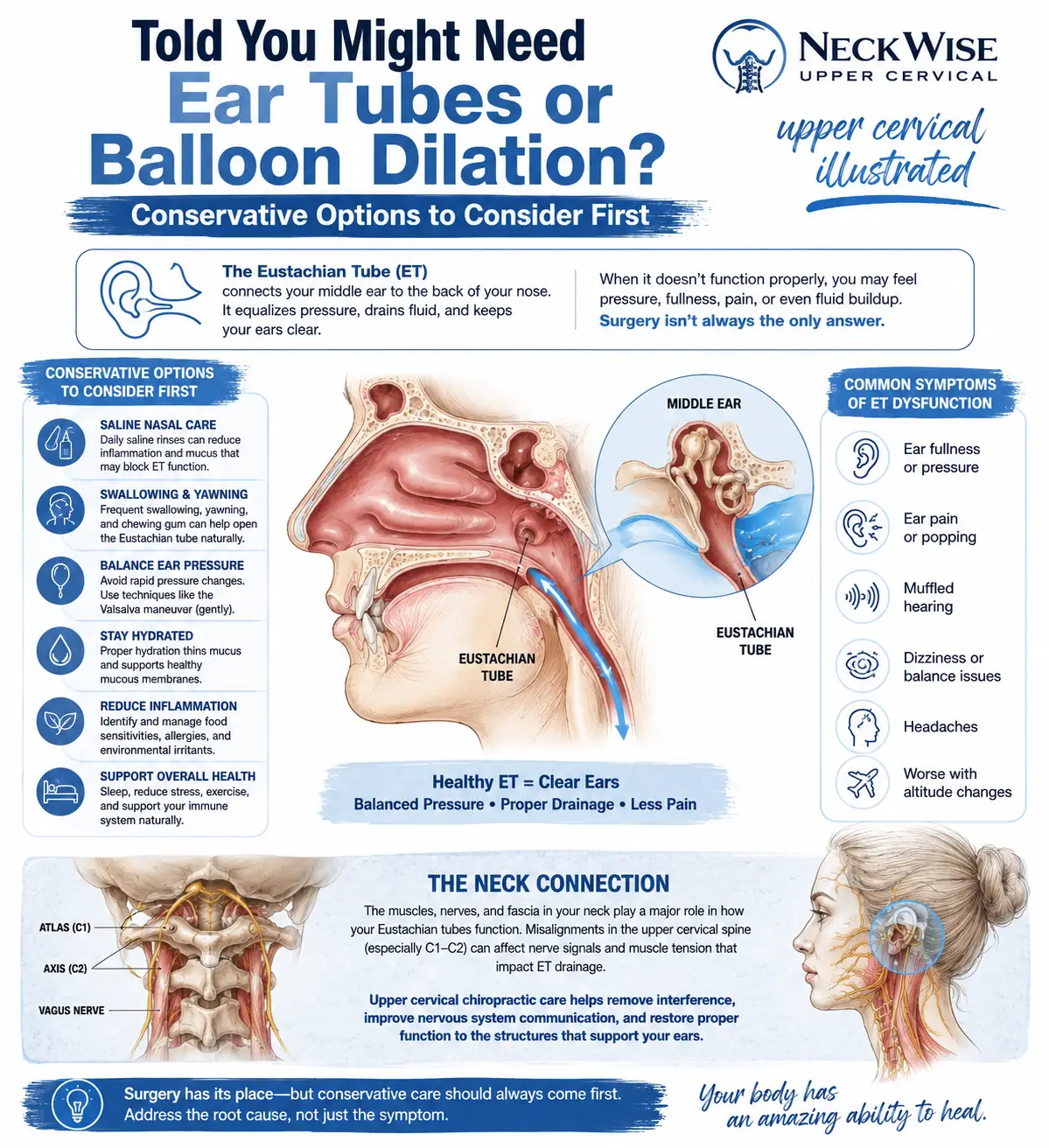
The atlas sits at the junction of the skull and spine, around the brainstem. The vagus nerve exits the skull beside it, and sympathetic fibers and vertebral arteries pass through it. A misaligned atlas can affect how those structures function and how the nervous system regulates overall. For someone with Parkinson’s, a stable, well-aligned upper neck supports the rest of the body’s work. We image it with cone-beam CT to see the actual position.
Is the adjustment safe for someone with tremor or stiffness?
Yes. The Knee Chest correction is low-force and precise, calculated from your imaging, with no twisting, cracking, or rotation of the neck. We position you comfortably and the correction itself is brief. You rest afterward. Thermography before and after shows how your nervous system responded. Because care plans are individual and reassessed each visit, we adjust the frequency based on your body’s response, not a set schedule.
How do you support Parkinson’s patients alongside neurology?
We stay in our lane and coordinate with yours. Your neurologist manages the disease and the medication. We correct the upper cervical alignment and measure how your nervous system responds, sharing imaging and findings with your medical team on request. Many patients notice changes in neck tension, sleep, or general ease of movement as the atlas holds its correction. Results vary by person, and we never promise a specific outcome.
Where in Sarasota can a Parkinson’s patient get an upper cervical evaluation?
Our office is at 5899 Whitfield Avenue, Suite 107, Sarasota, at the corner of University Parkway and Whitfield, minutes from Lakewood Ranch, Bradenton, and University Park, and about 30 minutes from Venice. The evaluation includes a history, 3D cone-beam CT of the upper neck, and paraspinal thermography. We are a cash-pay practice and provide superbills. Call (941) 243-3729 to schedule an evaluation.
Related Posts


Get our upper cervical articles first.