
By Dr. Rusty Lavender, D.C. — upper cervical chiropractor, Lavender Family Chiropractic, Sarasota, FL. Reviewed and updated October 2026.
Our complete guide to headache care in Sarasota covers the causes we see, the imaging we use, and what to expect at an evaluation.
Tension-type headaches are the most common form of headache, affecting adults and adolescents worldwide. These headaches are often described as a dull, aching sensation all over the head, rather than throbbing pain in one spot. Many people describe it as feeling like a tight band wrapped around their heads. Understanding the causes, symptoms, and potential treatments can help sufferers manage this condition effectively.
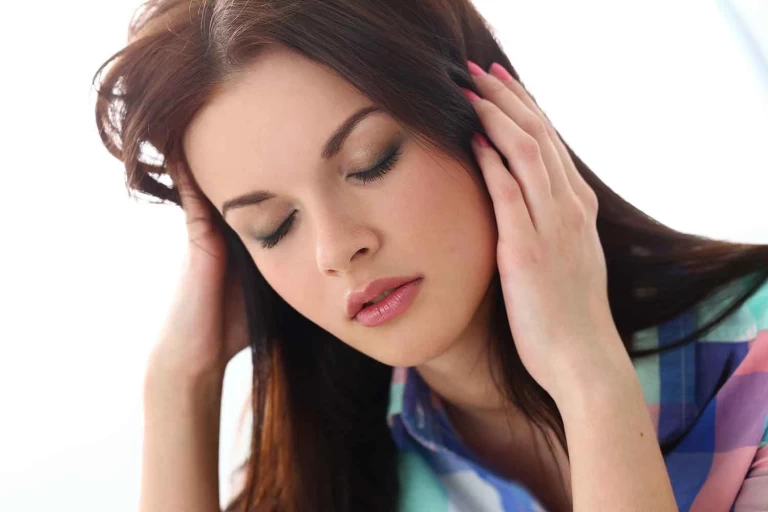
Table of Contents
What are Tension-Type Headaches?
Tension-type headaches (TTH) are characterized by diffuse, mild to moderate pain that’s often described as feeling like a tight band around the head. This type does not typically cause nausea or vomiting and is less disabling than migraines. It can, however, lead to a mild sensitivity to light or noise.
Causes and Risk Factors
The exact causes of tension-type are not fully understood, but several factors may contribute to the development of this condition. These can include stress, muscular tension, and environmental factors such as poor lighting, excessive noise, or prolonged screen time which can strain the eyes. Emotional or mental stress is also a significant trigger, causing the muscles in the neck and scalp to tighten.
Genetics may play a role in the likelihood of developing TTH, as it tends to run in families. Lifestyle factors such as poor posture, inadequate sleep, skipping meals, or dehydration can also trigger these.
Recognizing the Symptoms
The symptoms of tension-type headaches can vary from one person to another but typically include:
– Constant, dull aching on both sides of the head
– Pressure or tightness across the forehead or at the back of the head and neck
– Tenderness in the scalp, neck, and shoulder muscles
Unlike migraines, tension-type headaches usually do not cause visual disturbances, severe nausea, or vomiting. However, some people might experience light or sound sensitivity, although these symptoms are less prominent.
Diagnosis
Diagnosing tension-type headaches primarily involves a medical history and a physical examination. Doctors will look for characteristic symptoms and rule out other causes of headaches. Since there are no specific tests for TTH, the diagnosis is often made based on the description of the headache and the absence of other medical conditions.
Treatment Options
Treatment for tension-type headaches can vary based on the frequency and severity of the symptoms. Here are some of the common approaches:
Lifestyle Changes
Modifying daily routines can help reduce the frequency of symptoms. This includes getting adequate sleep, managing stress, staying hydrated, eating balanced meals at regular intervals, and exercising regularly. Practicing good posture and taking frequent breaks during long periods of sitting or screen time can also help.
Pain Relief Medications
Over-the-counter pain relievers such as ibuprofen, aspirin, or acetaminophen are often effective in managing the pain associated with TTH. However, these should be used cautiously, as excessive use can lead to medication-overuse headaches, a condition where symptoms become more frequent and severe.
Preventing Tension-Type Headaches
Prevention is often the best approach to managing tension-type headaches. This can involve identifying and avoiding headache triggers, maintaining a healthy lifestyle, and implementing regular stress management practices. Keeping a headache diary can also be a useful tool to identify patterns and triggers associated with symptoms, which can then be avoided or managed more effectively.
How Upper Cervical Chiropractic Care Can Alleviate Them
If you’re struggling with tension-type headaches, upper cervical chiropractic care might be a beneficial treatment option to consider. This specialized area of chiropractic focuses on the precise adjustment of the upper two vertebrae in the neck—the atlas and the axis. Misalignments in this area can impact nerve function and blood flow, potentially triggering headaches.
Upper cervical chiropractic care aims to restore proper alignment to the neck’s vertebrae, which can relieve pressure on the nerves and muscles in the upper neck and head. This reduction in pressure can decrease muscle tension which often leads to tension-type headaches. By ensuring the spine’s alignment is optimal, this approach not only helps in alleviating current headache symptoms but also in preventing future occurrences.
If you’re experiencing frequent or severe symptoms, visiting our practice could be a significant first step toward finding relief. At our clinic, we specialize in upper cervical chiropractic adjustments that can help manage and prevent tension-type headaches. Schedule a consultation with us today, and let’s work together to help you achieve better health and comfort. Tension-type headache is the most common type we see — our main headache treatment page explains how it relates to the upper neck.
Schedule with us!
We offer a complimentary consultation to learn more about how we can help you! Click the link below to schedule!
https://intake.chirohd.com/new-patient-scheduling/724/lavender-family-chiropractic
Visit our Website!
To learn more about us, visit our website http://www.chiropractorsarasotaflorida.com!
What the Research Says About Tension-Type Headaches
Tension-type headache is the everyday pressing, band-like headache most people recognize. It is often described as a muscle or stress headache, and the research supports a muscular and postural picture: patients with episodic tension-type headache had more active trigger points, less neck mobility and greater forward head posture than people without headaches (Fernández-de-las-Peñas et al., Headache 2007). Usual care includes over-the-counter pain relievers for occasional episodes and, for frequent headaches, preventive strategies and attention to stress, sleep and posture. For manual care, the 2011 evidence-based guideline rates the evidence for tension-type headache weaker than for migraine and recommends low-load craniocervical mobilization as the manual approach (Bryans et al., J Manipulative Physiol Ther 2011). That is a more measured recommendation than you will hear in most marketing.
Where does the upper neck fit? The muscles and joints at the base of the skull sit right where tension headaches are felt, and the posture findings above point directly at them. A systematic review found that spinal manipulation had efficacy comparable to amitriptyline for tension-type and migraine headache prevention in the trials reviewed (Bronfort et al., J Manipulative Physiol Ther 2001), and a Cochrane review of 51 trials found cervical manipulation and mobilization produce meaningful short-term improvements in neck pain and function (Gross et al., Cochrane 2015). We do not claim more than that. What upper cervical care adds is precision: 3D imaging of the atlas, a correction matched to the imaging, and re-measuring so the change at the top of the neck is documented rather than guessed.
Frequently Asked Questions
How are tension-type headaches connected to the upper neck?
Tension-type headaches produce a band-like pressure around the head, and the suboccipital muscles at the base of the skull are often tight and tender. Those muscles attach directly to the atlas and axis. When the atlas is misaligned, they guard constantly, feeding pain signals into the trigeminocervical complex. Upper cervical care corrects the atlas with a precise, low-force Knee Chest adjustment, and thermography shows us how the nervous system responds.
What are the usual treatments for tension headaches, and where does upper cervical care fit?
Common approaches include over-the-counter pain relievers, stress management, posture changes, and physical therapy. Medication decisions stay with your prescribing doctor. Upper cervical care addresses a cause that is often missed: an atlas misalignment keeping the neck muscles in constant tension. We measure that misalignment on 3D cone-beam CT, correct it without twisting or cracking, and reassess with thermography at each visit so progress is confirmed, not assumed.
How do you tell a tension headache from something more serious?
Sudden, severe headaches, headaches with fever, weakness, vision loss, or confusion, and headaches after a head injury should be evaluated by a physician right away. Once serious causes are ruled out, we look at the structural side. Our evaluation includes a neurological exam, posture analysis, and CBCT imaging of the upper neck. If the atlas is misaligned, correcting it is our focus; if the upper neck is not involved, we say so and refer.
Can poor posture at a desk cause these headaches?
Yes. Hours of forward head posture load the suboccipital muscles and shift the atlas forward, which is a common pattern in office workers. While ergonomic changes help, many people find the headaches persist because the misalignment remains. Correcting the atlas allows the head to sit centered over the spine so the muscles can relax. We measure head position and thermography before and after care to see that the change is holding.
What should a Sarasota tension headache sufferer expect on the first visit?
At our office near University Parkway and Whitfield Avenue, the first visit includes a detailed history, neurological and postural exams, a 3D cone-beam CT if indicated, and a baseline thermography scan. We review the findings with you and explain whether an upper cervical correction is appropriate. Care plans are individual with no preset packages. We are a cash-pay practice and provide superbills. Call (941) 243-3729 to schedule an evaluation.