How to Choose the Best Upper Cervical Chiropractor: 7 Things to Look For
By Dr. Rusty Lavender, D.C. — upper cervical chiropractor, Lavender Family Chiropractic, Sarasota, FL. Reviewed and updated October 2026.
Our complete guide to upper cervical chiropractic care in Sarasota explains what the top two vertebrae control, how we measure them with 3D imaging, and what a correction feels like.
Upper cervical chiropractic: Choosing an upper cervical chiropractor isn’t like picking a general dentist or finding a primary care physician. This is a specialized field where the difference between a highly trained practitioner and someone who simply claims to offer “upper cervical” care can mean the difference between life-changing results and another disappointing dead end. Here in Sarasota, we’ve met countless patients who told us, “I tried a chiropractor years ago and it didn’t work.” When we dig deeper, we often discover they never received true upper cervical care — they received generic adjustments that were never going to address their underlying issues.
At Lavender Family Chiropractic, located at 5899 Whitfield Avenue, Suite 107, at the corner of University and Whitfield in Sarasota, we believe that informed patients make the best decisions for their health. That’s why we’ve put together this comprehensive guide to help you understand exactly what to look for when choosing an upper cervical chiropractor. Whether you ultimately choose our office or find a qualified practitioner elsewhere, the most important thing is that you receive the precise, specialized care that upper cervical chiropractic was designed to deliver.
If you’re just beginning your research into this specialized field, we recommend starting with our comprehensive pillar guide on the best upper cervical chiropractor in Sarasota Florida, which provides a complete overview of upper cervical care and what distinguishes truly exceptional practitioners. This article serves as your practical checklist for evaluating any upper cervical chiropractor you’re considering.
What Is Upper Cervical Chiropractic Care?
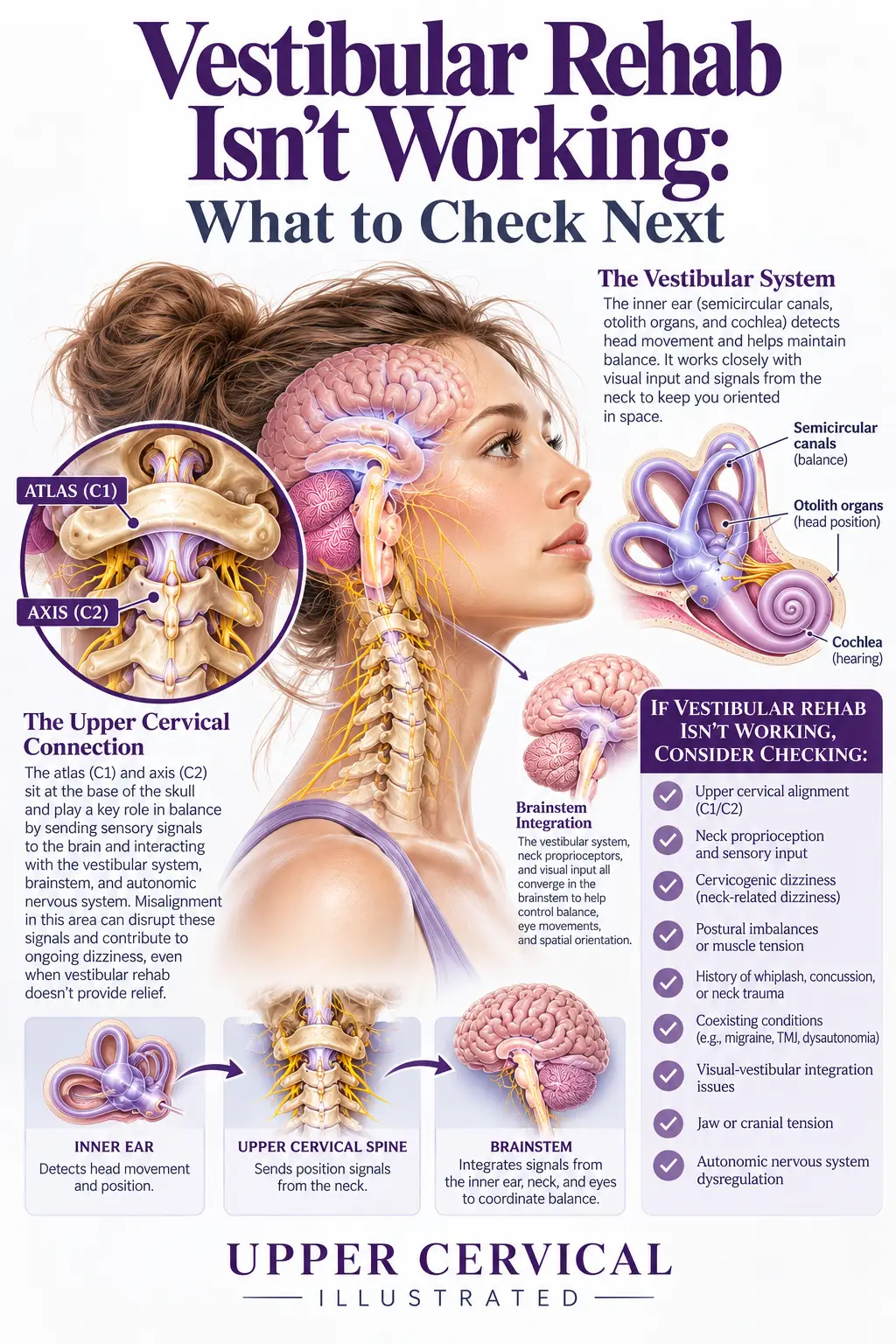
Before diving into the seven criteria, it’s important to understand what upper cervical chiropractic actually is — because many practitioners use the term loosely. True upper cervical chiropractic is a specialized discipline focused exclusively on the atlas (C1) and axis (C2), the top two vertebrae of your spine. These bones cradle and protect the brainstem, the relay station between your brain and the rest of your body.
What distinguishes authentic upper cervical care from general chiropractic is the level of precision involved. Upper cervical practitioners don’t guess. They use detailed imaging — often three-dimensional scans — to measure misalignments down to fractions of a millimeter and degrees of rotation. They deliver corrections that are specific, gentle, and based on the exact mathematics of your individual spine. There’s typically no twisting, no popping, and no forceful manipulation.
This approach was developed nearly a century ago and has evolved into several distinct techniques, including NUCCA, Atlas Orthogonal, Blair, Knee Chest, Orthospinology, Toggle, and AHKC (Advanced HIO Knee-Chest). While each technique has its own analytical and corrective methods, they all share a commitment to precision, gentleness, and addressing the root cause of dysfunction rather than chasing symptoms.
Understanding this foundation matters because as you evaluate potential practitioners, you’ll be better equipped to ask the right questions and identify whether someone is truly practicing upper cervical care or simply marketing themselves that way.
The Nerve and Vascular Connection: Why Precision Matters
The reason upper cervical care demands such precision becomes clear when you understand what passes through this region. The brainstem itself extends through the foramen magnum at the base of your skull and passes directly through the ring of the atlas vertebra. Every nerve signal traveling between your brain and your body — every command, every sensation, every regulatory impulse — must travel through this narrow corridor.
The vertebral arteries, which supply blood to the back of your brain including the brainstem and cerebellum, travel through small openings in the cervical vertebrae. Misalignment in this region can potentially affect blood flow to these critical areas. The cerebrospinal fluid, which bathes and nourishes your brain and spinal cord, also flows through this region and can be affected by structural changes.
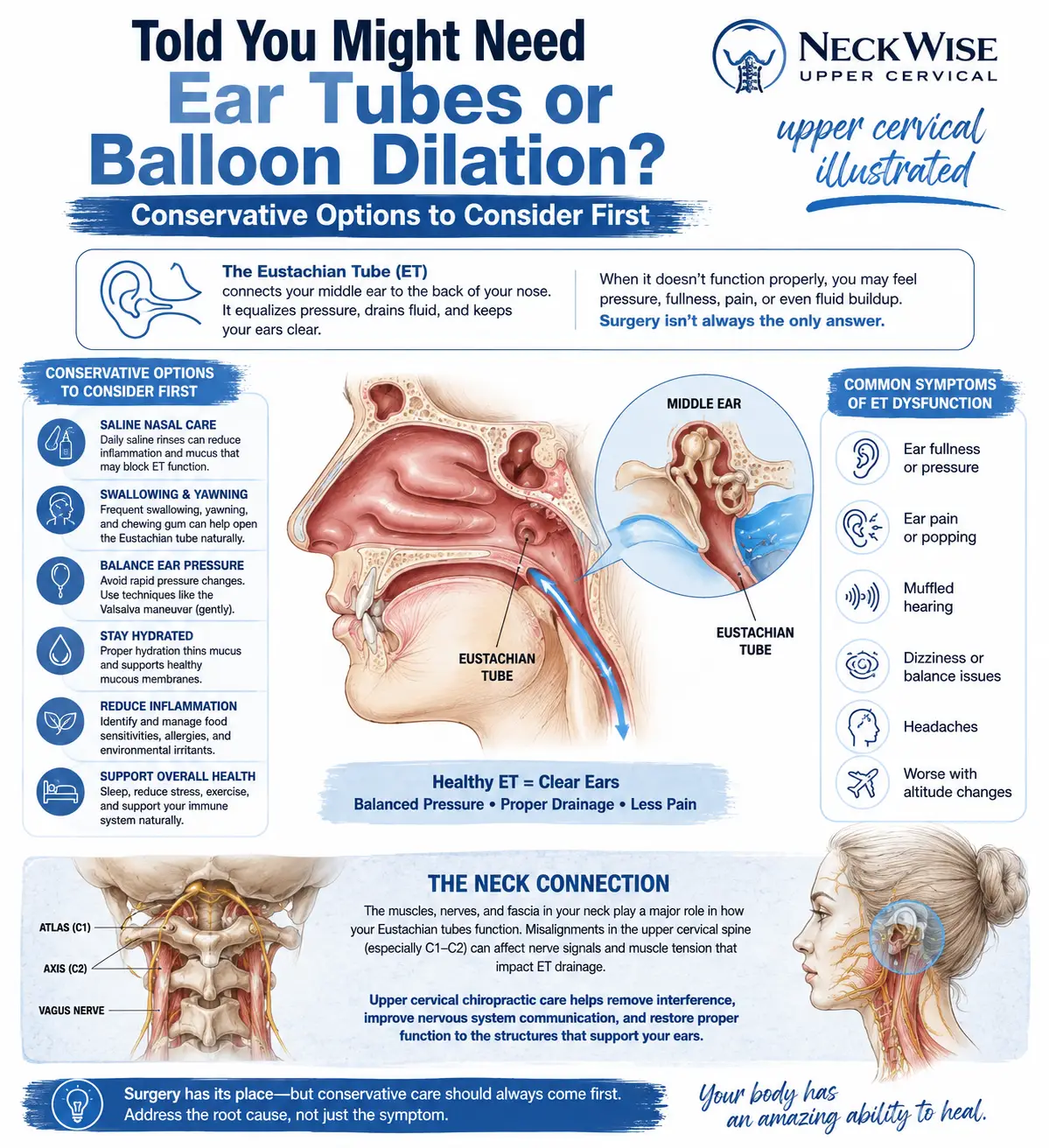
The vagus nerve, which controls much of your parasympathetic nervous system — your “rest and digest” mode — passes through the upper cervical area on its journey throughout your body. Dysfunction here can contribute to digestive issues, anxiety, sleep problems, and immune dysregulation. The dense network of proprioceptive nerves in this region tells your brain where your body is in space, which is why misalignments can contribute to balance problems, dizziness, and even chronic muscle tension throughout the entire body.
This is why the credentials, technique, and technology of your chosen practitioner matter so much. Working in this region without proper training and tools is like performing surgery without proper imaging — you simply cannot deliver precise results without precise information.
Understanding the Upper Neck: A Region Unlike Any Other
The anatomy of the upper cervical spine is genuinely unique. The atlas (C1) has no vertebral body — it’s essentially a ring of bone that supports the 10 to 12 pounds of your skull. The axis (C2) has a peg-like projection called the odontoid process that extends upward into the atlas, creating a pivot joint that allows for approximately 50% of your neck’s rotational movement.
This design provides remarkable mobility but also creates vulnerability. Common causes of upper cervical misalignment include birth trauma (especially with assisted deliveries), childhood falls, sports injuries, car accidents and whiplash, poor posture from prolonged device use, dental work requiring extended mouth opening, and chronic stress that creates sustained muscle tension.
What makes this region particularly important — and why finding the right practitioner is so critical — is that even minute misalignments can have outsized effects. Researchers have measured atlas misalignments as small as fractions of a degree that produce significant neurological consequences. A practitioner who treats this region the same way they treat the lower back is missing the entire point of upper cervical care.
The 7 Things to Look For When Choosing an Upper Cervical Chiropractor
Now let’s get to the practical criteria. After years of practice and seeing what truly distinguishes exceptional upper cervical care, we’ve identified seven essential factors you should evaluate before committing to any practitioner.
1. Specialized Post-Doctoral Training in Upper Cervical Techniques
Every chiropractor receives general training in spinal manipulation during their doctoral education. However, upper cervical chiropractic requires significant additional training that goes far beyond what’s covered in chiropractic school. Look for practitioners who have completed dedicated post-doctoral certification in specific upper cervical techniques such as NUCCA, Atlas Orthogonal, Blair, Knee Chest, Orthospinology, or AHKC.
Ask potential practitioners specifically what upper cervical training they’ve completed, how long the training programs took, and whether they hold any current certifications. A truly specialized upper cervical chiropractor should be able to articulate exactly which technique they practice and why they chose it. They should also engage in ongoing continuing education, as the field continues to evolve with new research and refinements.
Be cautious of practitioners who describe themselves as “doing upper cervical” without specific technique training. The level of precision required in this region simply cannot be achieved without dedicated specialized instruction.
2. Advanced Imaging Capabilities
Precision requires measurement, and measurement requires appropriate imaging. The best upper cervical chiropractors use advanced imaging specifically designed to analyze the craniocervical junction in detail. Three-dimensional Cone Beam CT (CBCT) imaging has become the gold standard, providing detailed three-dimensional views of the upper cervical region that reveal misalignments invisible on standard X-rays.
Ask about the imaging technology used in the office. Standard two-dimensional X-rays, while better than nothing, cannot capture the full three-dimensional nature of an upper cervical misalignment. Some misalignments involve rotation, others involve tilt, and many involve combinations of multiple movements in multiple planes. Without 3D imaging, important information is missed.
Some practitioners may also use complementary technologies like paraspinal infrared thermography, which detects subtle temperature variations that indicate nervous system dysfunction, or surface electromyography to measure muscle activity patterns. These additional tools help create a more complete picture of your unique situation.
3. Comprehensive Initial Examination Process
The quality of upper cervical care is directly tied to the quality of the initial evaluation. A thorough first visit should include a detailed health history conversation that goes beyond just your chief complaint. The practitioner should want to understand your full health journey — previous injuries, medications, surgeries, and how your symptoms affect your daily life.
The physical examination should include postural analysis, neurological testing, range of motion assessment, and functional nervous system scans where appropriate. The practitioner should explain what they’re testing and why. After gathering all of this information, you should receive a separate report of findings visit where the doctor reviews your imaging and examination results with you, explains what they found, and outlines a specific care recommendation.
If a practitioner offers to adjust you on the first visit without comprehensive imaging and examination, that’s a significant red flag. Precision care requires precise information, and that information takes time to gather and analyze properly.
4. Gentle, Specific Correction Techniques
This is perhaps the most distinguishing feature of authentic upper cervical care: the corrections themselves should be remarkably gentle. There should be no forceful twisting of your neck, no aggressive popping or cracking, and no rotational manipulation. Instead, expect a precise, calculated, low-force correction that may feel like little more than a light pressure or touch.
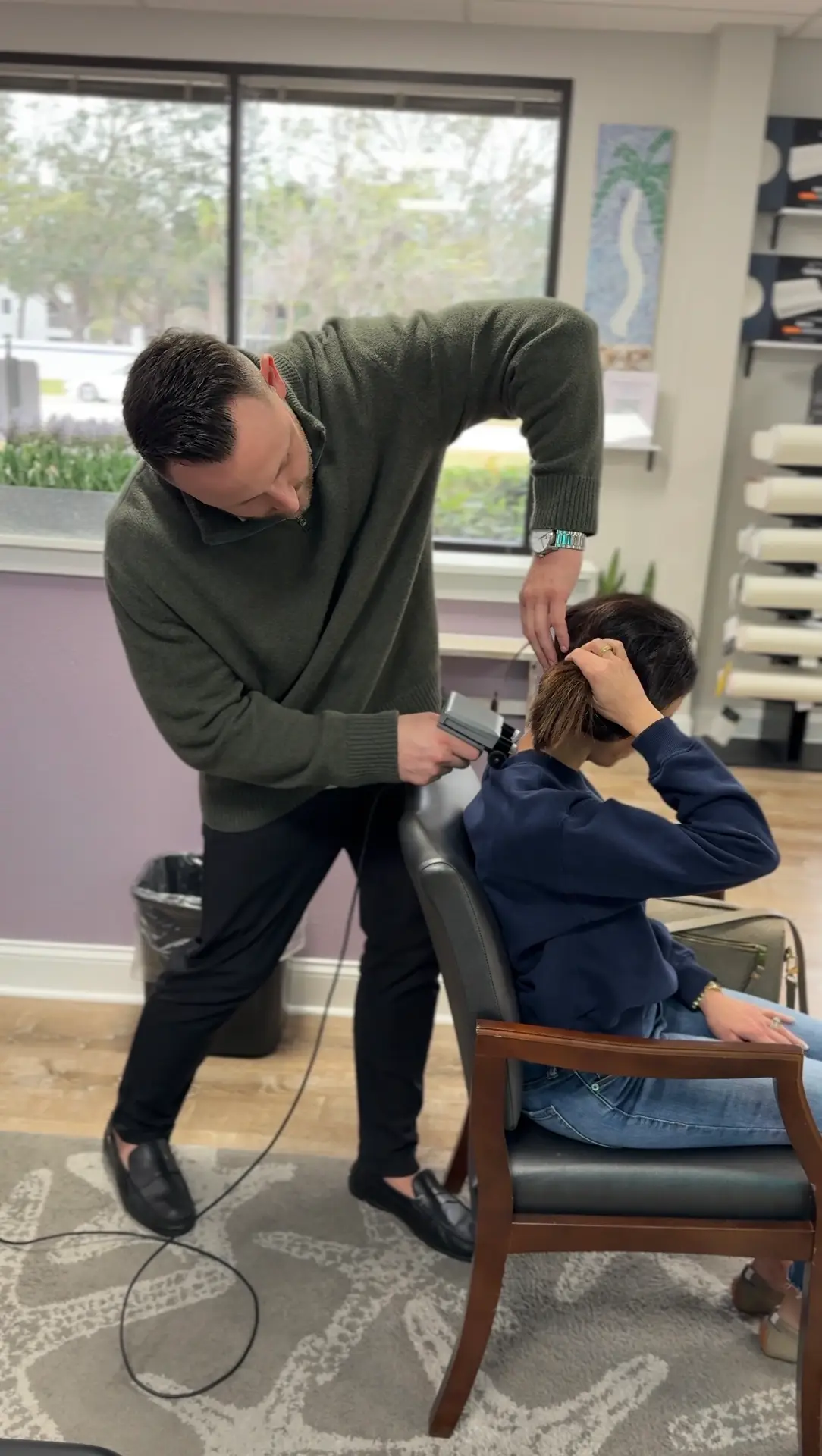
Different upper cervical techniques accomplish this gentleness in different ways. Some use specialized adjusting tables that allow the practitioner to deliver corrections with the patient lying on their side. Some use small handheld instruments that deliver precise impulses. Some use the practitioner’s hands but in a highly specific and controlled manner. What unites all genuine upper cervical techniques is the absence of high-velocity manipulation.
If a practitioner is performing dramatic neck cracking maneuvers, they’re practicing traditional chiropractic — not upper cervical care. There’s nothing inherently wrong with traditional chiropractic for many conditions, but it’s a different approach with different applications. If you’ve specifically sought out upper cervical care, you should receive upper cervical care.
5. Focus on Holding Corrections Rather Than Frequent Adjustments
The philosophy of upper cervical care differs significantly from approaches that emphasize frequent ongoing adjustments. In genuine upper cervical practice, the goal is for each correction to hold for as long as possible, allowing your body adequate time to heal and adapt before another correction is made.
This means that as you progress in care, you should typically be adjusted less frequently, not more. Each visit should include checks to determine whether your previous correction is still holding. If it is, no adjustment is made. If it isn’t, a specific correction is delivered. This approach respects your body’s natural healing process and treats your investment in care with appropriate care and consideration.
Be wary of any practitioner who recommends a high-frequency adjustment schedule indefinitely or who seems to adjust patients without first checking whether they actually need adjustment. The body needs time and stability to heal — constantly disrupting the upper cervical region with frequent corrections can actually impede healing rather than support it.
6. Patient-Centered Communication and Education
The best upper cervical chiropractors invest time in educating their patients. You should leave your initial visits with a clear understanding of what’s happening in your body, why your symptoms are occurring, what the recommended care involves, and what you can expect throughout the process. There should be no mystery, no jargon used to obscure rather than clarify, and no pressure tactics.
Pay attention to how a practitioner responds to your questions. Do they welcome your curiosity, or do they seem irritated by it? Do they provide clear, understandable answers, or do they retreat into technical language designed to end the conversation? Do they acknowledge what they don’t know, or do they pretend to have all the answers?
A genuinely patient-centered practitioner will tell you honestly whether they believe they can help you. They’ll refer you elsewhere if your condition isn’t appropriate for upper cervical care, and they’ll work with your other healthcare providers as part of a collaborative team rather than positioning themselves as having all the answers.
7. Real Patient Outcomes and Reviews
Finally, look for evidence that the practitioner achieves real results with real patients. This goes beyond marketing materials and includes verified patient reviews, testimonials from patients with conditions similar to yours, and a track record in the community.
When reading reviews, look for specific details rather than just generic praise. Patients who write about how their specific symptoms improved over a specific timeframe provide much more useful information than vague enthusiasm. Look for reviews that mention the experience of the initial examination, communication with the doctors, and the overall office environment.
Ask the practitioner if they have case studies or examples of patients with conditions similar to yours. While every person is unique and results can vary, an experienced upper cervical chiropractor should be able to discuss the range of outcomes they’ve seen with conditions like yours.
Ready to experience what specialized upper cervical care can do for you? Call our Sarasota office at (941) 243-3729 to schedule your consultation today. Dr. Rusty Lavender and Dr. Jacob Temple are here to provide the precise, gentle care you deserve.
Research Supporting Upper Cervical Chiropractic
The body of research supporting upper cervical chiropractic care continues to grow, providing scientific validation for what practitioners and patients have observed clinically for decades.
A landmark study published in the Journal of Human Hypertension examined the effects of upper cervical adjustments on patients with hypertension. The study found significant reductions in both systolic and diastolic blood pressure following precise atlas corrections — reductions comparable to those produced by two-drug combination therapies. This research opened important conversations about the broader systemic effects of upper cervical alignment.
Research on migraine sufferers has documented significant reductions in headache frequency, intensity, and duration following upper cervical care. For patients who have exhausted medication options, this represents genuine hope for meaningful relief. Similar research has shown promising results for vertigo, post-concussion syndrome, and various other neurological conditions.
The mechanism behind these results relates to the unique anatomy and neurology of the upper cervical region. When the brainstem and spinal cord can function without mechanical interference, the body’s innate healing capacity is freed to do what it was designed to do. This isn’t about treating diseases — it’s about removing obstacles to optimal nervous system function and allowing natural healing processes to proceed.
Quality upper cervical practitioners stay current with this research and can discuss it intelligently with patients. They don’t make exaggerated claims, but they also don’t underestimate the significance of what proper upper cervical care can achieve.
Lifestyle Factors That Support Your Choice
Once you’ve chosen an excellent upper cervical chiropractor, your daily habits play a significant role in how well your corrections hold and how quickly your body heals. The best practitioners discuss these factors with their patients as part of comprehensive care.
Sleep position significantly affects your upper cervical alignment. Stomach sleeping forces your neck into rotation for hours at a time, which can disrupt corrections and contribute to misalignment. Side sleeping with a proper cervical pillow that maintains neutral alignment is generally best, with back sleeping as another good option for many people.
Hydration affects every aspect of spinal health. Your intervertebral discs are largely composed of water, and chronic dehydration compromises their function. Aim for at least half your body weight in ounces of water daily, more if you’re active or living in Florida’s heat.
Movement supports your nervous system’s ability to integrate the changes from your corrections. Walking, swimming, gentle yoga, and other low-impact activities are particularly beneficial. You don’t need to become an extreme athlete — you simply need to move your body regularly in ways that feel good and don’t aggravate your condition.
Stress management cannot be overlooked. Chronic stress creates the kind of sustained muscle tension that can pull your upper cervical alignment out of place. Practices like deep breathing, meditation, time in nature, and meaningful social connection all support your nervous system’s ability to maintain proper function.
Posture awareness, particularly with our increasing dependence on devices, is critical. Forward head posture creates tremendous strain on the upper cervical region. Setting up your workstation properly, taking regular breaks from screens, and being mindful of how you hold your phone all contribute to long-term cervical health.
For more detailed guidance on supporting your spinal health through daily habits, explore our comprehensive blog libraryfor additional resources tailored to upper cervical patients.
Serving Sarasota and the Surrounding Areas
Lavender Family Chiropractic is proud to serve patients throughout the greater Sarasota region. Our office at 5899 Whitfield Avenue, Suite 107, at the corner of University and Whitfield, is conveniently located for patients from numerous surrounding communities.
We regularly welcome patients from Sarasota proper, including downtown, the gulf coast neighborhoods, and communities throughout the city. Bradenton residents find our location easily accessible, particularly those from south and west Bradenton. Lakewood Ranch patients reach us quickly via University Parkway. We also serve patients from Palmetto, Ellenton, Parrish, Myakka City, Osprey, Nokomis, Venice, North Port, Englewood, Siesta Key, Longboat Key, Anna Maria Island, Holmes Beach, Bradenton Beach, University Park, and Tallevast.
Our central location, ample parking, and welcoming office environment are all designed to make accessing specialized upper cervical care as straightforward as possible. We believe high-quality, precision-based chiropractic care should be available right here in our community, and we’re committed to serving the patients of Southwest Florida with excellence.
What the Research Says About Evaluating an Upper Cervical Chiropractor
Seven criteria is a lot, so the research helps rank them. Start with whether the office follows guideline care: manual therapy, exercise and patient education, with no reliance on passive modalities alone and no routine imaging for ordinary neck pain (Côté et al., Eur Spine J 2016). Next, whether it can speak honestly about safety; the field’s record includes nine years of Ontario health records showing the association between chiropractic visits and vertebrobasilar stroke was no different from that with primary-care visits (Cassidy et al., Spine 2008). Then, whether it knows the specialty’s data: 1,090 patients across 83 upper cervical offices reported high improvement and satisfaction with mostly mild, short-lived reactions (Eriksen et al., BMC Musculoskelet Disord 2011). An office that knows these numbers tends to practice within them.
The remaining criteria are about measurement, because that is what makes upper cervical care distinct. Ask whether the atlas is imaged in three dimensions before correction. Ask whether each correction is matched to that image or whether everyone receives the same maneuver. Ask how the office confirms a correction held, and whether you will see the re-measurement yourself. Ask whether the force is light and specific, since disturbed upper cervical input affects head and eye control and balance (Kristjansson & Treleaven, J Orthop Sports Phys Ther 2009), and accuracy matters more than strength. In our practice those answers are yes, matched, re-imaged, and yes. Any office you are considering should be able to answer them just as plainly.
Top 15 Frequently Asked Questions About Choosing an Upper Cervical Chiropractor
How is upper cervical chiropractic different from regular chiropractic?
Upper cervical chiropractic focuses exclusively on the atlas (C1) and axis (C2) using precise imaging-guided, low-force corrections. Traditional chiropractic typically addresses the entire spine with manual adjustments that may involve twisting and popping. Both approaches have their place, but they’re distinctly different specialties within chiropractic.
What questions should I ask a potential upper cervical chiropractor?
Ask about their specific training and certifications, the imaging technology they use, their examination process, how they determine when adjustments are needed, their philosophy on adjustment frequency, and whether they can share examples of patients with conditions similar to yours.
How do I know if a chiropractor is really practicing upper cervical?
Look for specialized post-doctoral training certifications, advanced imaging like 3D CBCT, gentle correction techniques without twisting or popping, and a focus on holding corrections rather than frequent adjustments. If a practitioner is performing dramatic neck cracking, they’re not practicing upper cervical care regardless of how they market themselves.
Is upper cervical care safe?
Yes, upper cervical care is one of the safest forms of healthcare available when performed by properly trained practitioners. The gentle, precise nature of corrections combined with thorough pre-care imaging means minimal risk of injury.
How much does upper cervical care cost?
Costs vary by office and region. Initial consultations and imaging are typically more expensive than ongoing care due to the comprehensive evaluation involved. Many offices offer payment plans, and some patients receive partial reimbursement through their insurance. Ask about pricing transparency during your initial inquiry.
Will my insurance cover upper cervical care?
Coverage varies significantly by plan. Some offices are in-network with insurance, while others operate out-of-network and provide superbills for patients to submit for potential reimbursement. Verify your specific benefits before beginning care.
How long should the initial appointment take?
A comprehensive initial consultation and examination typically takes 60 to 90 minutes. If an office offers a 15-minute first visit followed by an immediate adjustment, that’s a significant red flag for upper cervical care.
What if the practitioner doesn’t take X-rays?
For most upper cervical techniques, precise imaging is essential to guide corrections. Practitioners who skip imaging or rely solely on examination findings may not be practicing genuine upper cervical care.
Can children receive upper cervical care?
Yes, children often benefit significantly from upper cervical care, particularly given that birth trauma is a common cause of initial atlas misalignment. The gentle techniques used are appropriate for patients of all ages.
How frequently should I expect to be adjusted?
In genuine upper cervical practice, adjustments are made only when needed based on objective findings. Visits typically include checks to determine whether your previous correction is still holding. Frequency decreases as your body learns to maintain its proper alignment.
What if I’ve already tried chiropractic and it didn’t work?
Many patients who didn’t respond to general chiropractic find significant improvement with specialized upper cervical care. The two approaches are different enough that previous lack of success with traditional chiropractic doesn’t predict results with upper cervical care.
How do I evaluate online reviews of upper cervical chiropractors?
Look for specific, detailed reviews that describe particular symptoms and how they improved. Generic praise is less informative than specific stories. Pay attention to comments about communication, examination thoroughness, and the overall office experience.
Should I see an upper cervical chiropractor for general back pain?
Upper cervical care can be helpful for many conditions including back pain, as the entire spine often compensates for upper cervical misalignment. However, if your only symptom is lower back pain without other indicators of upper cervical involvement, traditional chiropractic might be more appropriate. A qualified upper cervical practitioner will help you determine the best approach.
What credentials should I look for?
Look for completed post-doctoral training in specific upper cervical techniques such as NUCCA, Atlas Orthogonal, Blair, Knee Chest, Orthospinology, or AHKC. The practitioner should be able to clearly articulate their specific technique and training.
How do I know if upper cervical care is right for me?
The best way to determine this is through a comprehensive consultation with a qualified upper cervical chiropractor. They should provide an honest assessment of whether they believe they can help you and refer you elsewhere if your condition isn’t appropriate for upper cervical care.
Your Next Step Toward Better Health
Choosing the right upper cervical chiropractor is one of the most important decisions you can make for your long-term health. The seven criteria outlined in this guide — specialized training, advanced imaging, comprehensive examination, gentle techniques, focus on holding corrections, patient-centered communication, and real outcomes — should serve as your roadmap as you evaluate potential practitioners.
At Lavender Family Chiropractic, we’ve built our practice around these exact principles. Dr. Rusty Lavender and Dr. Jacob Temple bring extensive specialized training, advanced 3D CBCT imaging technology, thorough examination processes, and gentle precision techniques to every patient we serve. More importantly, we bring genuine care and a commitment to your individual health journey.
We invite you to learn more about our complete approach by reading our comprehensive guide on the best upper cervical chiropractor in Sarasota Florida, where we go into detail about our specific techniques, technology, and patient outcomes.
When you’re ready to take the next step, call our Sarasota office at (941) 243-3729 to schedule your initial consultation. We’ll listen to your story, conduct a thorough examination, and tell you honestly whether we believe we can help. You can also book your appointment online at your convenience. We’re located at 5899 Whitfield Avenue, Suite 107, Sarasota, FL 34243, right at the corner of University and Whitfield.
You deserve specialized, precise, gentle care that addresses the root cause of your health concerns. The right upper cervical chiropractor can be a transformative partner in your health journey. Take your time, ask the right questions, and choose well.
Related Articles
Related Posts


Get our upper cervical articles first.