
Tinnitus Treatment and Upper Cervical Chiropractic Care at Lavender Family Chiropractic
By Dr. Rusty Lavender, D.C. — upper cervical chiropractor, Lavender Family Chiropractic, Sarasota, FL. Reviewed and updated October 2026.
In short: Tinnitus is the perception of ringing, buzzing, or hissing without an outside sound source, and in a subset of people it is somatic, meaning it changes with neck or jaw movement. At Lavender Family Chiropractic in Sarasota, FL, Dr. Rusty Lavender evaluates the upper cervical spine for the misalignment that can drive somatic tinnitus and provides gentle, no-twisting upper cervical corrections, coordinated with audiology or ENT care. An upper cervical evaluation is available at our Sarasota office at University Parkway and Whitfield Avenue.
| Condition | Tinnitus, including somatic (somatosensory) tinnitus |
|---|---|
| Common symptoms | Ringing, buzzing, hissing or pulsing sound in one or both ears; sound that changes with neck movement, jaw clenching or posture; ear fullness |
| Upper neck connection | Nerve input from the upper cervical spine and jaw reaches the auditory pathways in the brainstem; somatic tinnitus is the form most linked to the neck |
| Who evaluates it in Sarasota | Dr. Rusty Lavender, D.C., upper cervical chiropractor at Lavender Family Chiropractic, 5899 Whitfield Ave #107, Sarasota, FL 34243 (941-243-3729) |
| What the evaluation involves | Health history, neurological and balance screening, examination of the upper cervical spine, and precise upright imaging of the atlas and axis to determine whether a measurable misalignment is present |
| Related pages | hearing test results are reviewed; audiology and ENT care continue |
Tinnitus is a common condition affecting millions of people worldwide. Characterized by persistent ringing, buzzing, or hissing in the ears, tinnitus can significantly disrupt daily life, causing discomfort, stress, and anxiety. Despite its prevalence, finding effective treatment for tinnitus can be challenging. However, there is growing evidence that Upper Cervical Chiropractic care, as practiced at Lavender Family Chiropractic in Sarasota, Florida, offers a promising natural treatment option for those seeking relief from tinnitus.
In this blog post, we will explore the causes and symptoms of tinnitus, explain how Upper Cervical Chiropractic carecan help, and discuss why Lavender Family Chiropractic is an excellent choice for tinnitus treatment in Sarasota, Florida.
Table of Contents
Understanding Tinnitus: Causes and Symptoms
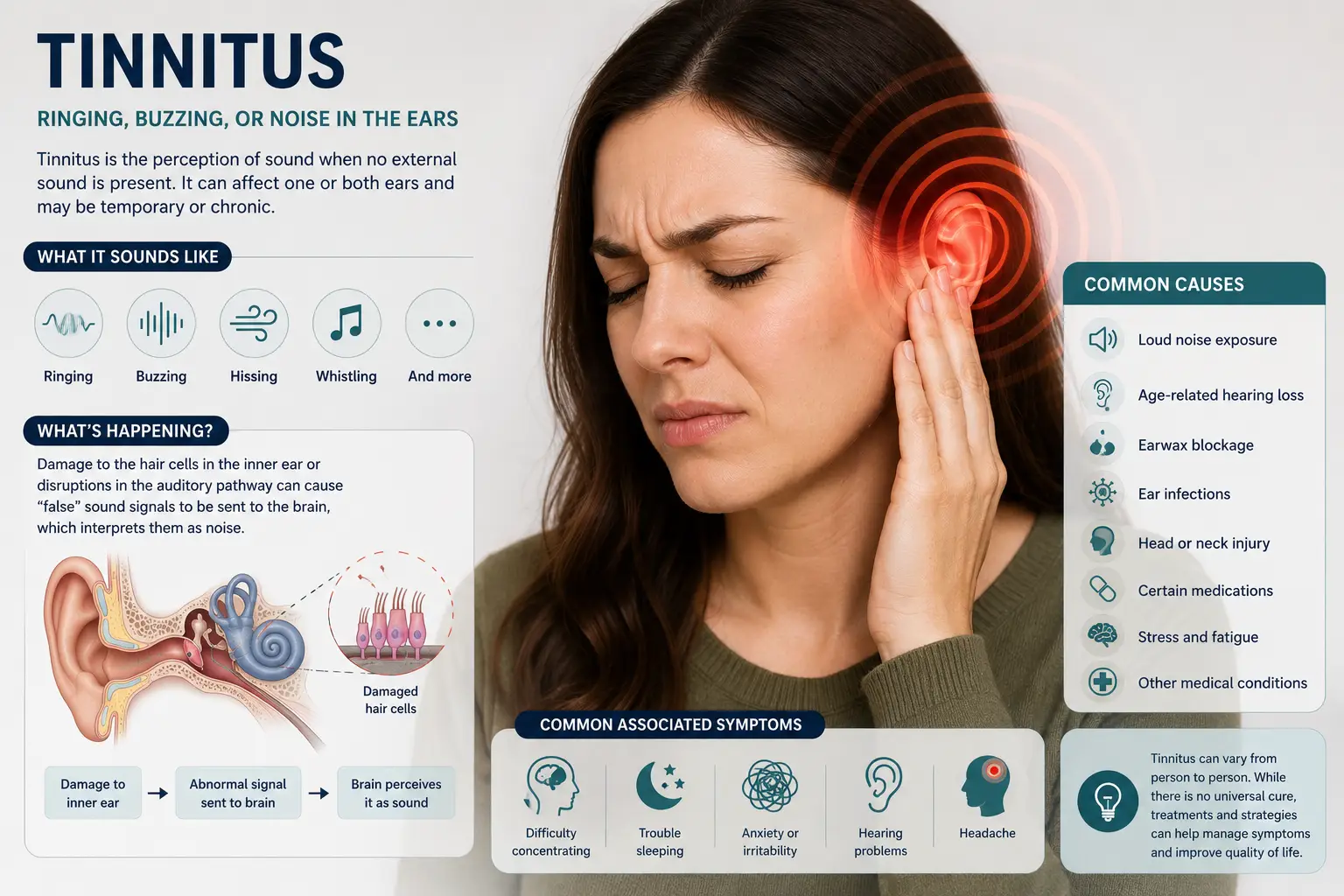
Tinnitus is often described as the perception of sound without any external source. The sounds associated with tinnitus can vary from person to person and can be perceived as ringing, buzzing, whistling, or even roaring. The intensity of the sound can also fluctuate, with some individuals experiencing mild symptoms, while others may find their tinnitus severely debilitating.
Common Causes of Tinnitus
There are many potential causes of tinnitus, including:
- Hearing loss: Age-related hearing loss is one of the most common causes of tinnitus. As the inner ear’s tiny hair cells deteriorate, they can send random electrical signals to the brain, which are interpreted as sound, causing tinnitus.
- Exposure to loud noises: Repeated or prolonged exposure to loud sounds, such as those at concerts, construction sites, or from loud music, can damage the hair cells in the inner ear, leading to tinnitus.
- Ear infections or earwax buildup: Infections or blockages in the ear can cause pressure to build up, leading to temporary or permanent tinnitus.
- Head or neck injuries: Trauma to the head, neck, or jaw can affect the auditory nerves or blood flow to the ear, resulting in tinnitus.
- Medications: Certain medications, including antibiotics, diuretics, and some antidepressants, are known to cause tinnitus as a side effect.
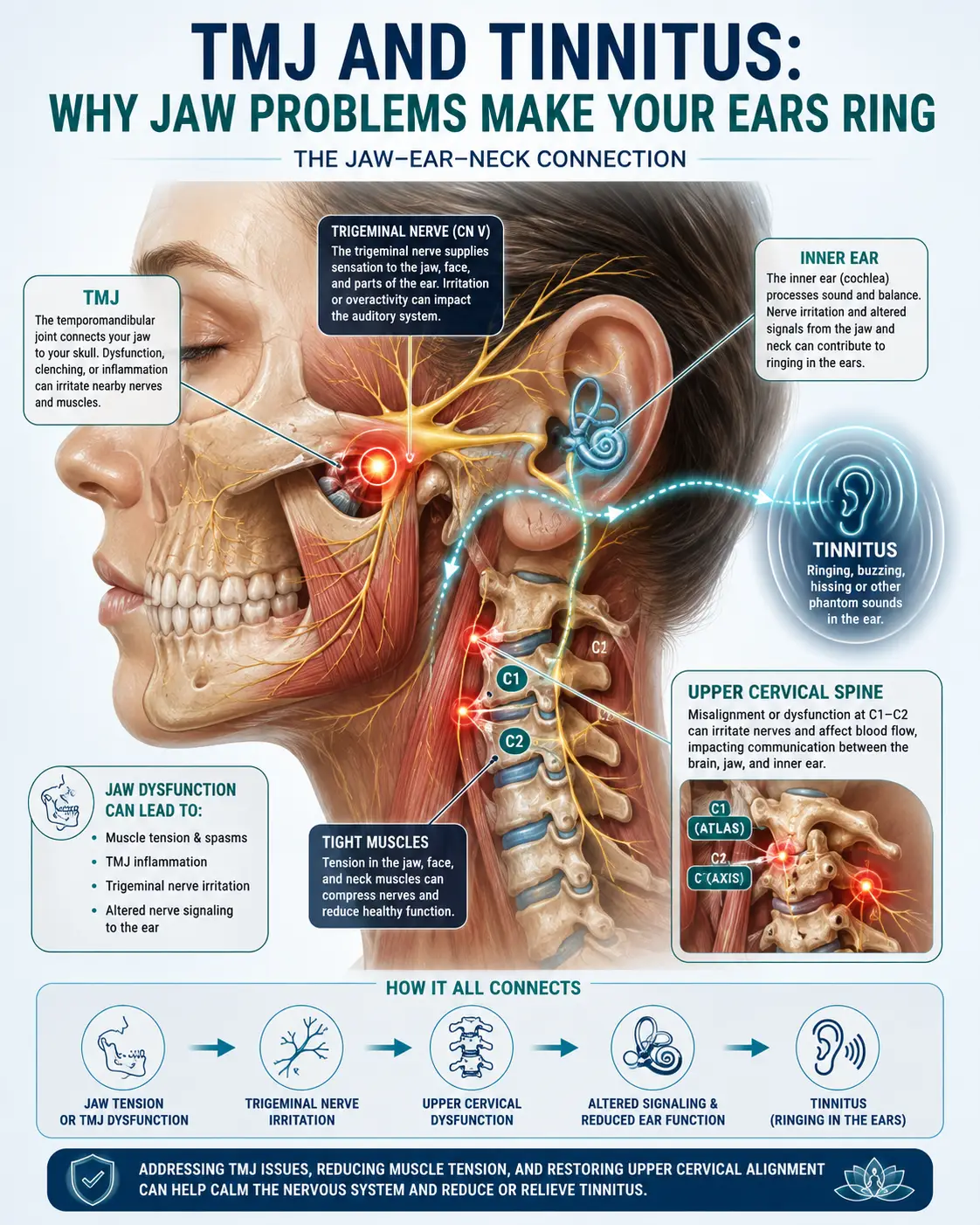
- Temporomandibular joint (TMJ) disorders: Problems with the jaw joint located near the ear can lead to tinnitus.
- Cardiovascular issues: Conditions like high blood pressure or narrowed blood vessels can cause a pulsating type of tinnitus that is in rhythm with the heartbeat.
Symptoms of Tinnitus
The main symptom of tinnitus is hearing sounds that aren’t present in the external environment. These sounds can vary, but common descriptions include:
- Ringing
- Buzzing
- Humming
- Whistling
- Clicking
- Roaring
Tinnitus can affect one or both ears and may be constant or intermittent. The condition can be particularly disruptive at night or in quiet environments, making it difficult to sleep or concentrate. In some cases, tinnitus may be accompanied by other symptoms, such as dizziness or ear pain.
Traditional Approaches to Tinnitus Treatment
There is no one-size-fits-all treatment for tinnitus, as the underlying cause can vary widely from person to person. Traditional approaches to tinnitus treatment include:
- Medications: Some doctors may prescribe medications to reduce symptoms, including antidepressants or antianxiety drugs, which help relieve the stress and anxiety that can worsen tinnitus.
- Sound therapy: This involves the use of external sounds, such as white noise or nature sounds, to mask the internal noise of tinnitus and provide relief, particularly at night.
- Cognitive-behavioral therapy (CBT): CBT helps patients manage their emotional response to tinnitus by changing the way they perceive the condition. While it doesn’t eliminate tinnitus, it can reduce its impact on daily life.
- Hearing aids: For individuals with hearing loss, hearing aids can amplify external sounds, making tinnitus less noticeable.
While these treatments may provide relief for some, many people continue to search for more effective, long-term solutions for tinnitus. This is where Upper Cervical Chiropractic care at Lavender Family Chiropractic comes in as a promising, holistic option.
How Upper Cervical Chiropractic Care Can Help with Tinnitus
Upper Cervical Chiropractic care focuses on the alignment of the uppermost vertebrae in the spine, known as the atlas (C1) and the axis (C2). These two vertebrae, located at the base of the skull, are critical to the proper functioning of the central nervous system and overall body health. When these vertebrae are misaligned, they can disrupt communication between the brain and body, affecting various systems, including the auditory system, which can lead to or exacerbate tinnitus.
The Connection Between Upper Cervical Spine and Tinnitus
The relationship between the upper cervical spine and tinnitus is rooted in the close proximity of the brainstem and cranial nerves that regulate auditory function. Misalignments in the upper cervical spine can create pressure or irritation in these areas, leading to tinnitus or worsening existing symptoms.
- Blood flow to the ears: Proper blood flow is essential for the health of the inner ear, and misalignments in the upper cervical spine can restrict blood flow to the auditory system, leading to tinnitus.
- Nerve interference: Misalignments in the atlas and axis vertebrae can interfere with the proper function of the cranial nerves, including the auditory nerve, which transmits signals from the ear to the brain. This interference can result in the perception of sounds that aren’t actually present, leading to tinnitus.
- Pressure on the brainstem: The upper cervical spine supports the brainstem, which plays a crucial role in controlling auditory signals. Misalignments in this area can create pressure on the brainstem, disrupting its normal function and contributing to tinnitus symptoms.
Benefits of Upper Cervical Chiropractic Care for Tinnitus
Upper Cervical Chiropractic care offers several benefits for individuals struggling with tinnitus:
- Non-invasive and drug-free: Unlike traditional treatments that may involve medications with potential side effects, Upper Cervical Chiropractic care is a natural, non-invasive approach that seeks to correct the root cause of tinnitus without the use of drugs or surgery.
- Restores proper alignment: By gently adjusting the atlas and axis vertebrae, Upper Cervical Chiropractic care helps restore proper alignment in the spine, reducing pressure on nerves and improving blood flow to the ears.
- Promotes overall nervous system health: Upper Cervical Chiropractic care aims to optimize the function of the nervous system, promoting better communication between the brain and body. This can lead to improvements not only in tinnitus symptoms but in overall health and well-being.
- Long-term relief: While traditional treatments for tinnitus often focus on managing symptoms, Upper Cervical Chiropractic care addresses the underlying structural issues that may be contributing to the condition, offering the potential for long-term relief.
What to Expect from Tinnitus Treatment at Lavender Family Chiropractic
At Lavender Family Chiropractic in Sarasota, Florida, we specialize in Upper Cervical Chiropractic care, with a particular focus on helping individuals find relief from conditions like tinnitus. Our approach is personalized, holistic, and centered on restoring balance and alignment to the body’s nervous system.
Initial Consultation and Examination
Your journey to relief from tinnitus begins with a comprehensive initial consultation and examination. During this visit, we will:
- Discuss your symptoms: We’ll take the time to listen to your experience with tinnitus, including when your symptoms started, what triggers them, and how they impact your daily life.
- Perform a physical examination: We will assess the alignment of your upper cervical spine, looking for any misalignments or structural imbalances that may be contributing to your tinnitus.
- Use diagnostic imaging: Advanced imaging, such as digital X-rays or 3D scans, may be used to get a precise view of your spine and identify any misalignments that need to be corrected.
Customized Treatment Plan
Based on the results of your initial consultation and examination, we will develop a customized treatment plan tailored to your specific needs. This plan may include:
- Gentle Upper Cervical adjustments: Our chiropractors use gentle, precise adjustments to correct misalignments in the atlas and axis vertebrae, restoring proper alignment to the upper cervical spine.
- Postural exercises: In addition to chiropractic adjustments, we may recommend exercises designed to improve your posture and support the health of your spine and nervous system.
- Lifestyle recommendations: We believe in a holistic approach to health, so we may offer guidance on nutrition, stress management, and other lifestyle factors that can contribute to tinnitus.
Ongoing Care and Monitoring
Tinnitus is often a chronic condition that requires ongoing care. At Lavender Family Chiropractic, we will work closely with you to monitor your progress and make any necessary adjustments to your treatment plan. Our goal is to provide long-lasting relief from tinnitus and support your overall health and well-being.
Why Choose Lavender Family Chiropractic for Tinnitus Treatment?
There are several reasons why Lavender Family Chiropractic is a top choice for tinnitus treatment in Sarasota, Florida:
- Expertise in Upper Cervical Chiropractic care: Our clinic specializes in Upper Cervical Chiropractic, a gentle, precise approach to spinal care that has been shown to be highly effective in treating conditions like tinnitus.
- Personalized care: We understand that each patient is unique, which is why we take the time to develop a customized treatment plan tailored to your specific needs and goals.
- Holistic approach: In addition to chiropractic care, we offer guidance on nutrition, posture, and lifestyle factors that can support your overall health and well-being.
- Non-invasive treatment: Upper Cervical Chiropractic care is a safe, non-invasive treatment option that addresses the root cause of your tinnitus without the use of drugs or surgery.
What the Research Says About Tinnitus and the Neck
Tinnitus is not one condition. In a large share of people the ringing can be changed, louder or softer, by moving the jaw, turning the head, or pressing on the neck muscles. Researchers call this somatic or somatosensory tinnitus, and it is the type that points at the neck. In a study of 93 tinnitus patients, voluntary contraction of head and neck muscles changed the loudness or pitch of the ringing in a majority (Sanchez et al., 2002). The mechanism is well mapped: nerves from the upper neck feed into the dorsal cochlear nucleus, the brainstem’s first sound-processing station, which is why a neck problem can turn the volume up on a hearing signal (Levine, 1999; Shore et al., 2016).
The clinical research follows the anatomy. Patients with chronic tinnitus have measurably more cervical spine dysfunction than people without it (Michiels et al., 2015), and clinical neck tests can identify which tinnitus patients have a cervical component (Michiels et al., 2015). In a randomized controlled trial, multimodal cervical physical therapy improved tinnitus severity in patients with cervicogenic somatic tinnitus (Michiels et al., 2016), and a systematic review the same year concluded that treating the neck and jaw improves tinnitus in the somatic subgroup (Michiels et al., 2016; Ralli et al., 2017).
Upper cervical chiropractic is the most precise way to treat that target. The trials used hands-on techniques applied by feel; we image the atlas and axis in 3D, calculate the correction from the images, deliver it without twisting or cracking the neck, and re-measure with thermography afterward. Our complete guide to eustachian tube dysfunction treatment in Sarasota covers the ear-pressure side of the same upper-neck connection.
Frequently Asked Questions About Tinnitus and the Upper Neck
1. Which specialist treats tinnitus in Sarasota?
An audiologist tests your hearing and fits sound therapy; an ENT rules out ear and nerve causes; a neurologist is involved when tinnitus travels with migraine or other neurological symptoms; and an upper cervical chiropractor evaluates somatosensory tinnitus, the kind that changes when you move your neck or jaw, which traces to the upper cervical spine. Have the hearing and ENT workup done first. If it is normal and your tinnitus changes with neck movement, the top of the neck is the next thing to measure, and that is what we do in Sarasota.
2. How do I know if my tinnitus is coming from my neck?
Three clues: the ringing changes when you turn your head, clench your jaw, or press on the muscles at the base of your skull; it started after a car accident, fall, concussion, or long dental procedure; and it travels with neck stiffness, headaches at the base of the skull, or jaw tension. If any of those fit, the neck should be measured.
3. Can a chiropractor treat tinnitus?
An upper cervical chiropractor treats the neck component of tinnitus. Research shows a large subgroup of tinnitus patients have cervical spine dysfunction, and controlled trials have found that treating the neck improves tinnitus severity in that group. We do not treat the ear; we correct the position of the top two vertebrae, which share nerve pathways with the brainstem’s hearing centers.
4. Will I still need an ENT or audiologist?
Yes, if you have not had a hearing test. Tinnitus with hearing loss, one-sided tinnitus, pulsing tinnitus, or sudden onset all need an ENT evaluation first to rule out ear and vascular causes. We work alongside that care and will tell you on the first visit if the neck is not involved.
5. What is somatic tinnitus?
Tinnitus you can change by moving your jaw, neck, or eyes, or by pressing on head and neck muscles. It is the type most connected to the upper cervical spine and the type most likely to respond to treating the neck.
6. What happens at a tinnitus evaluation at your office?
A history of when the ringing started and what else started with it, a neurological and postural exam including the head and jaw movements that change your tinnitus, paraspinal infrared thermography, and 3D cone-beam imaging of the upper neck. If the imaging shows a misalignment, we correct it with a precise, low-force adjustment and re-measure.
7. Is the adjustment safe for someone with tinnitus or hyperacusis?
Yes. The correction is delivered to the top of the neck with no rotation, twisting, or cracking, and no loud noise. Most patients feel a light pressure and nothing else.
8. How long does it take to notice a change?
It varies with how long you have had tinnitus and what caused it. Some patients notice the pitch or loudness change within the first few visits; for others the first change is in the neck stiffness and headaches that travel with it. We re-measure at every visit rather than working from a fixed schedule.
9. Can tinnitus from a car accident or whiplash be helped?
This is the clearest case for the neck. Whiplash injures the upper cervical joints and muscles, and tinnitus that appears days or weeks after a crash is a recognized pattern. Our guide to car accident chiropractic care in Sarasota covers it.
10. Does TMJ cause tinnitus too?
Often, and the jaw and upper neck are linked by the same trigeminal and cervical nerve pathways. If you have jaw clicking or clenching with your ringing, both get evaluated. See our post on TMJ and tinnitus.
11. Do you see tinnitus patients from Bradenton, Lakewood Ranch, and Venice?
Yes. We are at University Parkway and Whitfield Avenue by UTC: under 10 minutes from Lakewood Ranch, 20 to 25 from Bradenton and Parrish, about 30 from Venice via I-75.
Conclusion: Achieve Relief from Tinnitus with Upper Cervical Chiropractic Care at Lavender Family Chiropractic
If you’re struggling with the persistent ringing or buzzing of tinnitus, it’s time to consider a natural, non-invasive treatment option that addresses the root cause of your symptoms. At Lavender Family Chiropractic in Sarasota, Florida, we specialize in Upper Cervical Chiropractic care, a gentle, effective approach that can help reduce or eliminate tinnitus symptoms by restoring proper alignment to the spine and improving nervous system function.
Our personalized approach ensures that you receive the care and attention you need to achieve long-term relief from tinnitus and improve your overall quality of life. Contact us today to schedule a consultation and take the first step toward a life free from the constant noise of tinnitus.
Schedule With Us!
Lavender Family Chiropractic in Sarasota, Florida offers a thorough upper cervical evaluation to find out whether the top of your neck is part of your tinnitus. Click the link below!
https://intake.chirohd.com/new-patient-scheduling/724/lavender-family-chiropractic
Visit our Website!
To learn more about us go to http://www.chiropractorsarasotaflorida.com
We also service Bradenton, Lakewood Ranch, Palmetto, Ruskin, Tampa, St. Pete, Ellington, Venice, Osprey, Myakka Village
Related Posts


Get our upper cervical articles first.